Building History and Use
For years, Anoka County’s 911 call center operated out of the basement of the Government Center. As call volumes increased and staffing needs grew, the space became increasingly constrained. Operators worked without access to daylight, in tight quarters that limited operational flexibility and made long-term growth difficult to plan for.
The challenges of that environment came into sharp focus during the COVID-19 pandemic. County leadership recognized that the people answering emergency calls perform some of the most critical and high-stress work in public service. Improving their environment was not just about square footage, but about supporting employee well-being, retention, and performance while planning responsibly for the future.
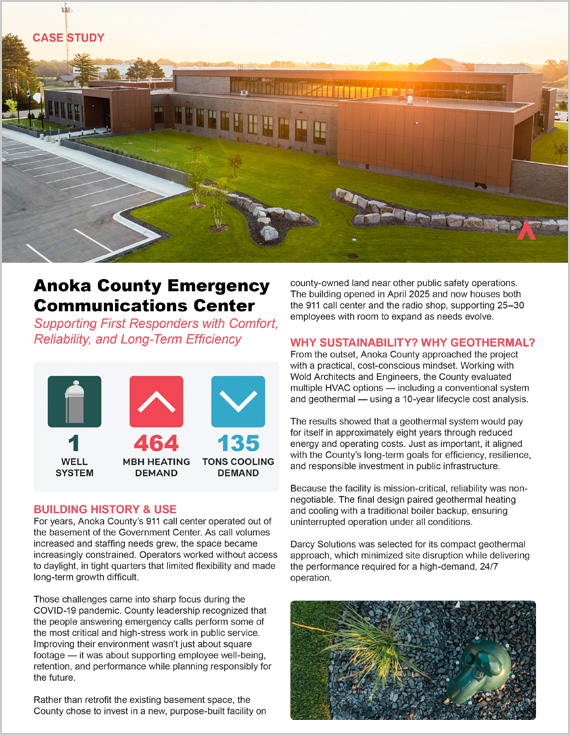
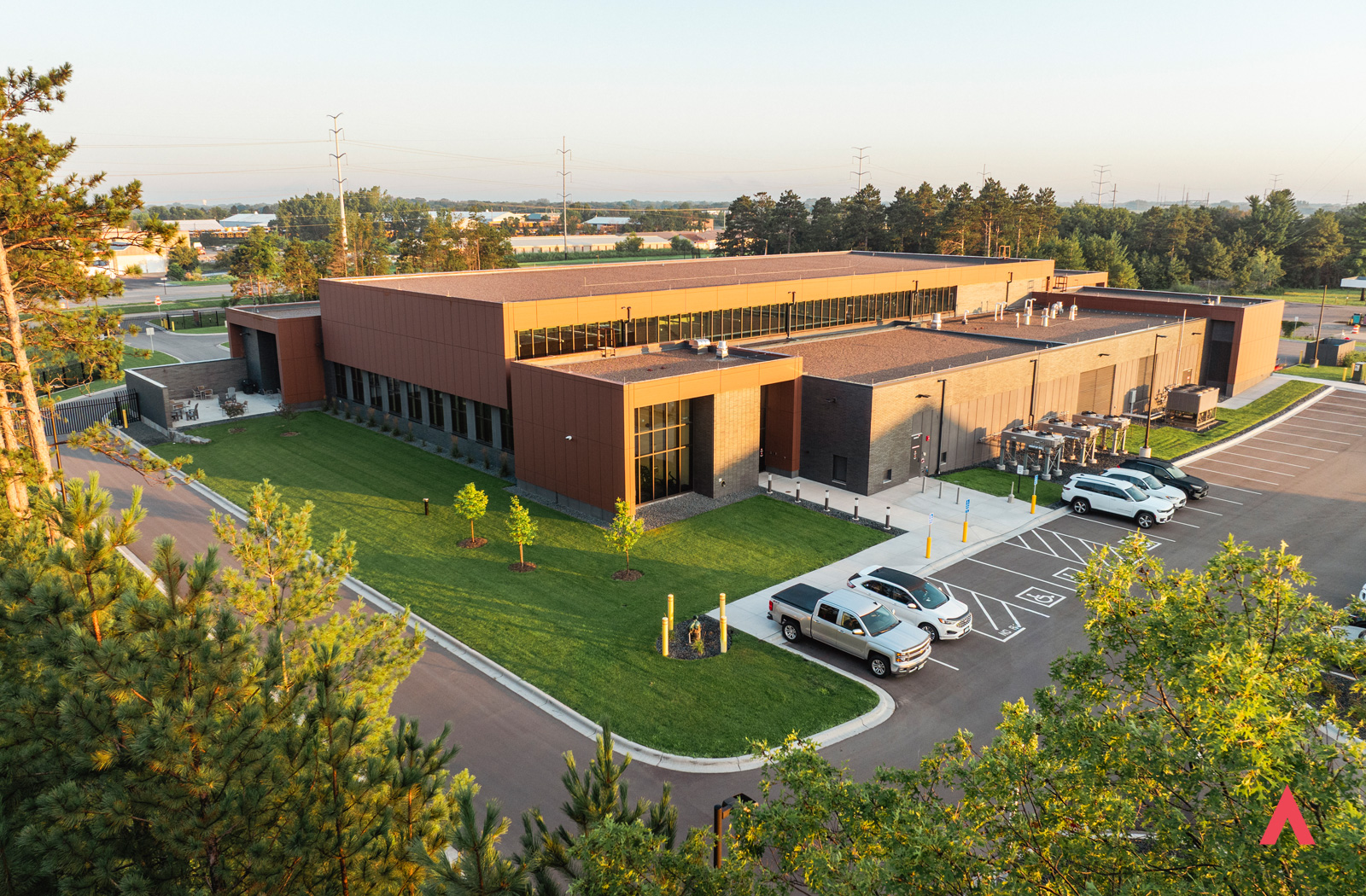
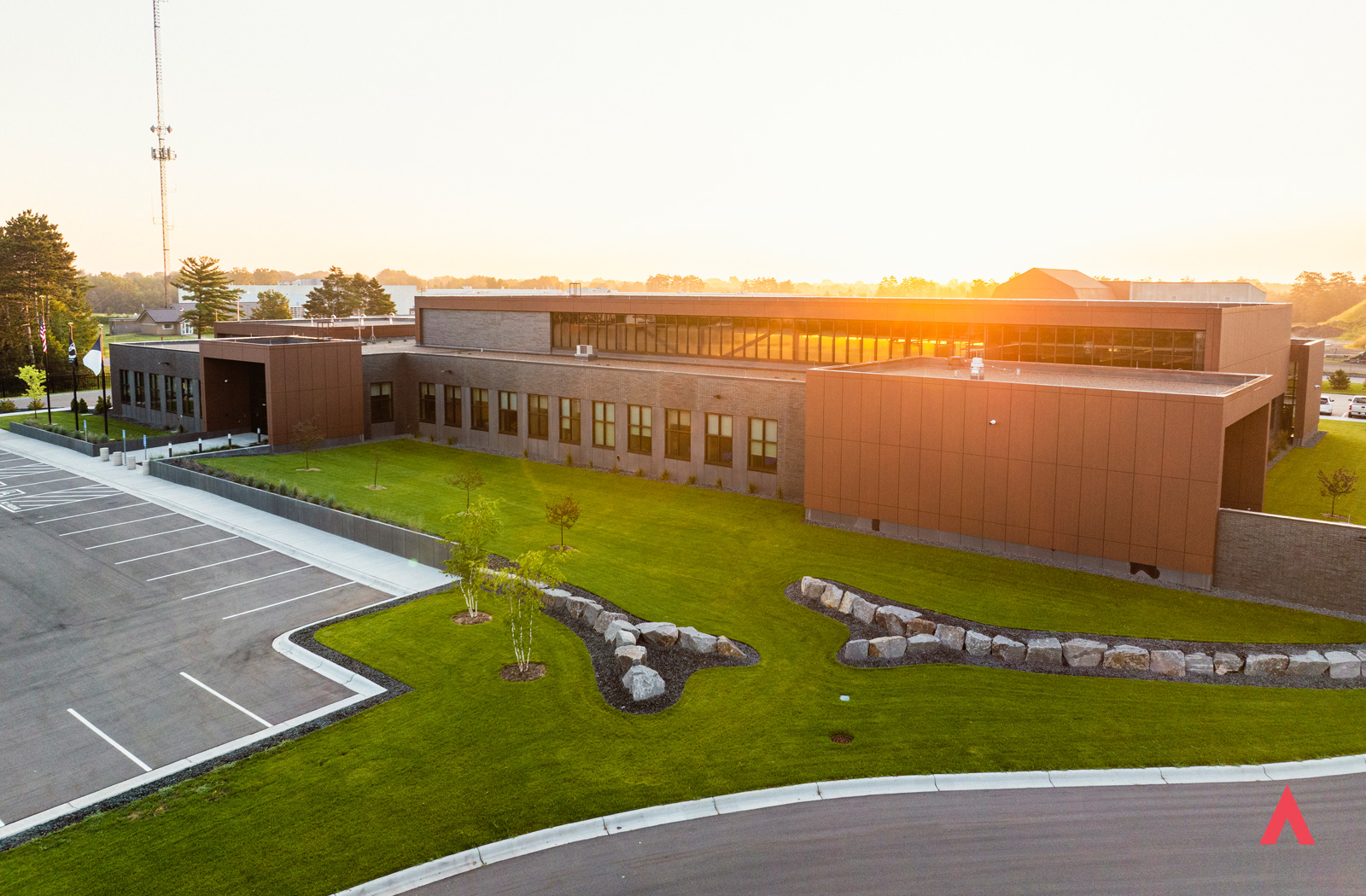
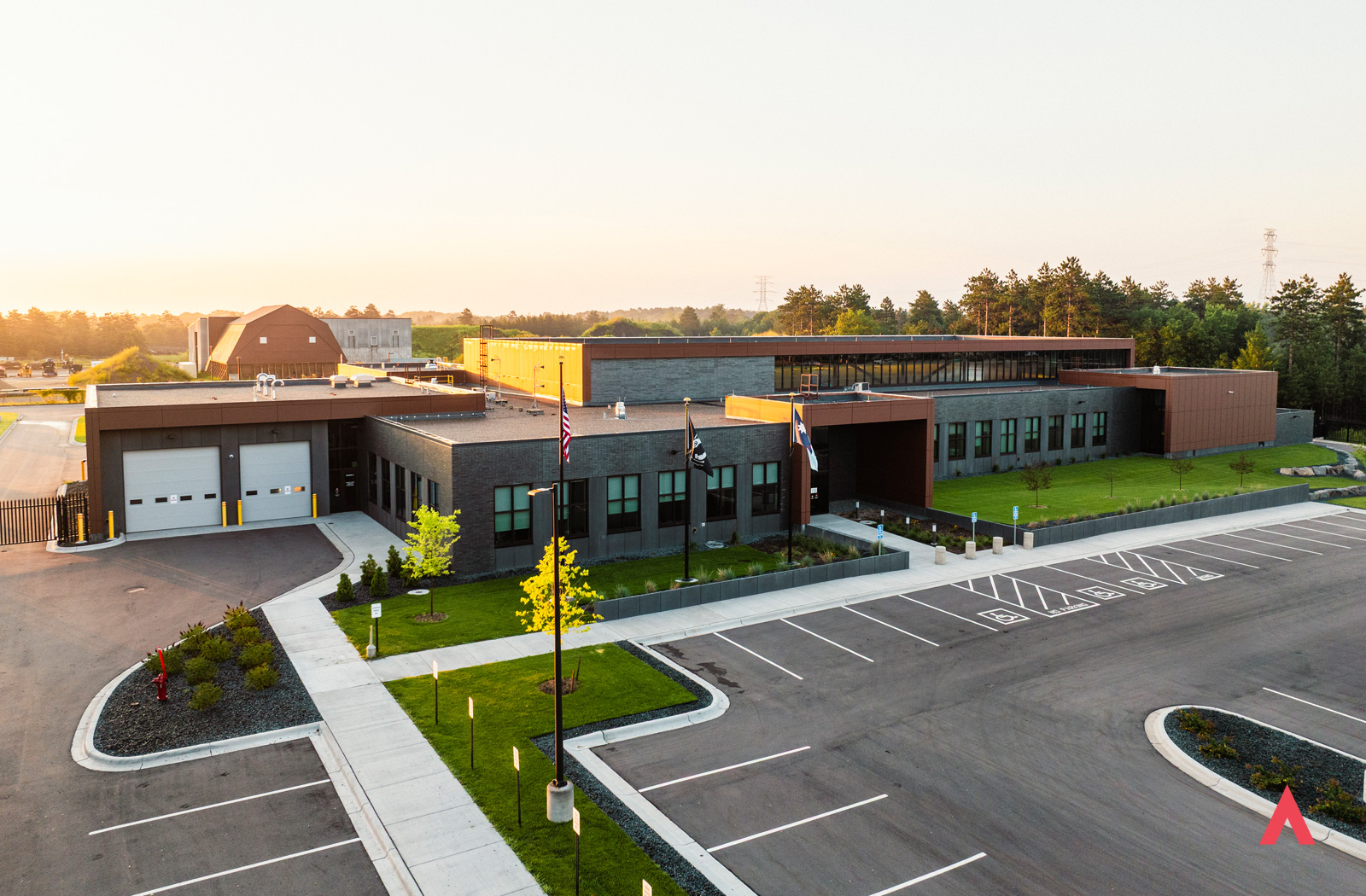
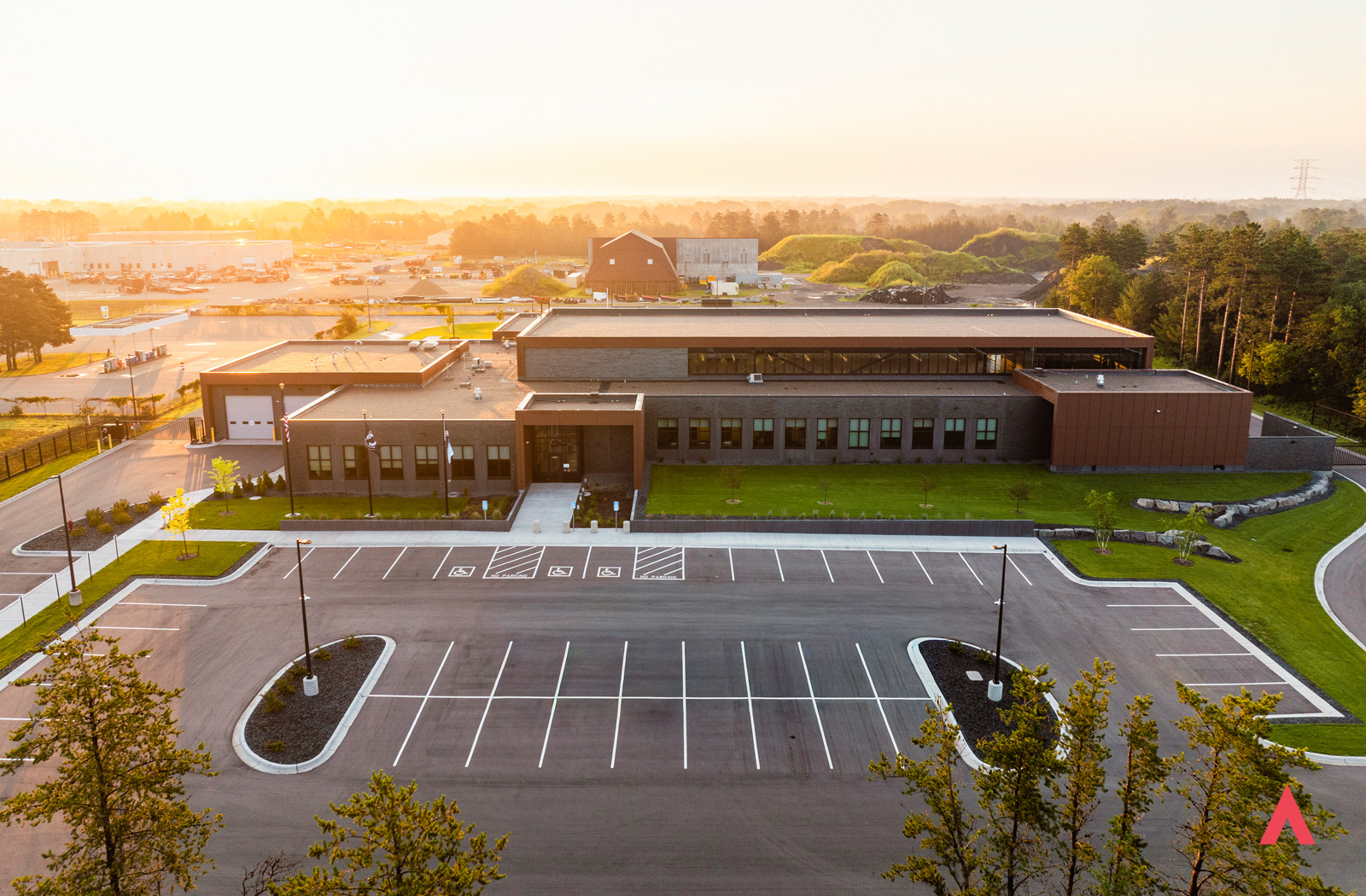
Rather than retrofit the existing basement space, the County chose to invest in a new, purpose-built facility on county-owned land near other public safety operations. The building opened in April 2025 and now houses both the 911 call center and the radio shop, supporting 25 to 30 employees with room to expand as needs evolve.
Why Sustainability? Why Geothermal?
From the outset, Anoka County approached the project with a practical, cost-conscious mindset. Working with Wold Architects and Engineers, the County evaluated multiple HVAC options, including a conventional system and geothermal, using a 10-year lifecycle cost analysis.
The numbers made the case. A geothermal system would pay for itself in approximately eight years through reduced energy and operating costs. Beyond that payback period, it also aligned with the County’s long-term goals for efficiency, resilience, and responsible investment in public infrastructure.
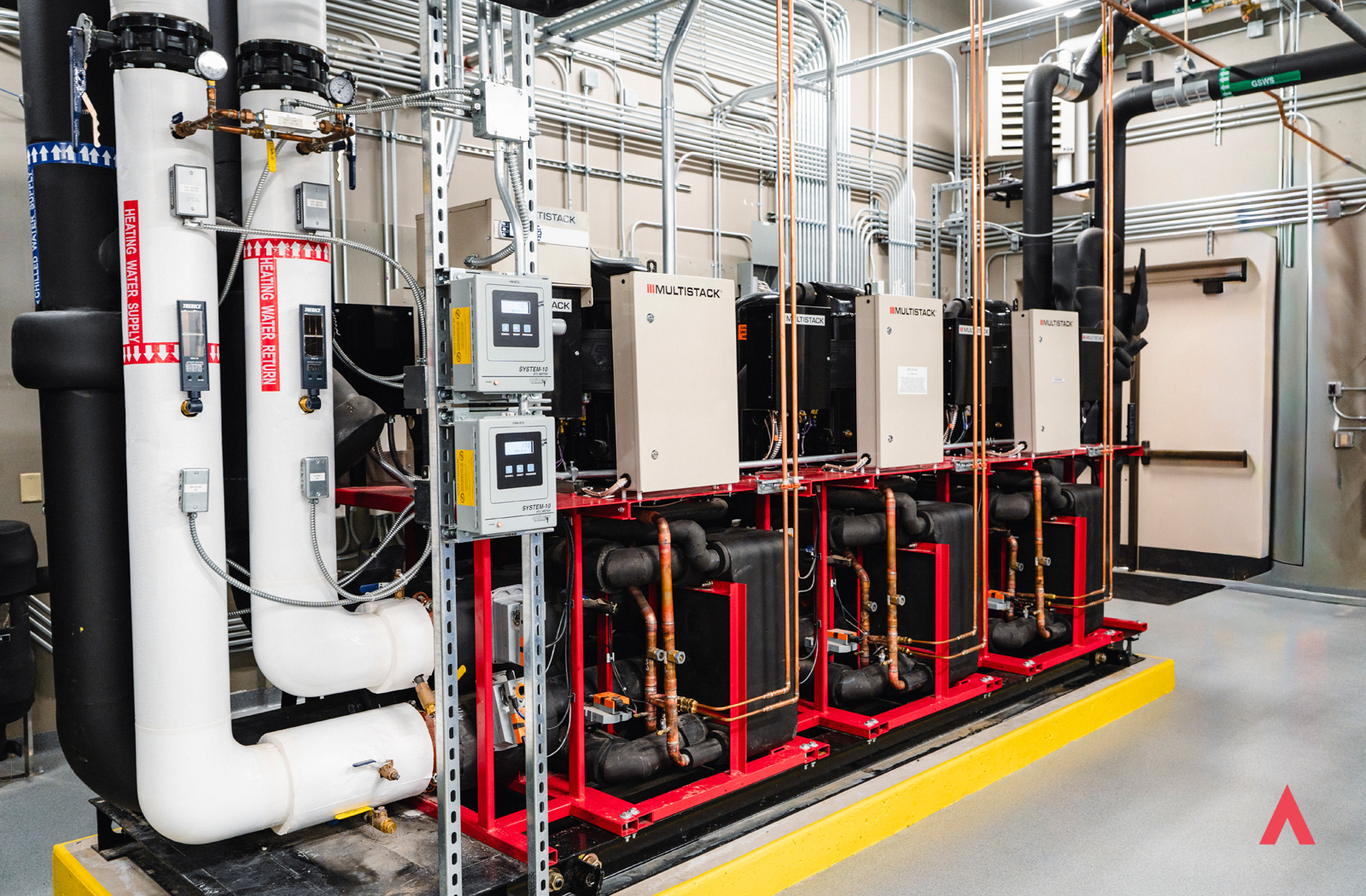
Because the facility is mission-critical, reliability was non-negotiable. The final design pairs geothermal heating and cooling with a traditional boiler backup, ensuring uninterrupted operation under all conditions. Darcy was selected for its compact geothermal approach, which minimized site disruption while delivering the performance required for a high-demand, round-the-clock operation.
“We’re conservative by nature and we look closely at the numbers,” said Jerry Covel, Construction Manager for Anoka County. “When the lifecycle analysis showed geothermal would pay for itself in about eight years, it became a practical decision, not a risky one.”
Design and Construction
Design was approved in 2021, construction was bid in 2022, and the facility opened in 2025 following pandemic-era supply chain delays. Throughout the process, the design team prioritized usability, security, and continuity of service, with sustainability integrated as a practical value-add rather than a standalone goal.
Geothermal construction proceeded smoothly, though additional coordination was required during permitting as regulators worked through classifications for newer system types. Clear communication between the County, the design team, and contractors kept the project on track and on schedule relative to the adjusted timeline.
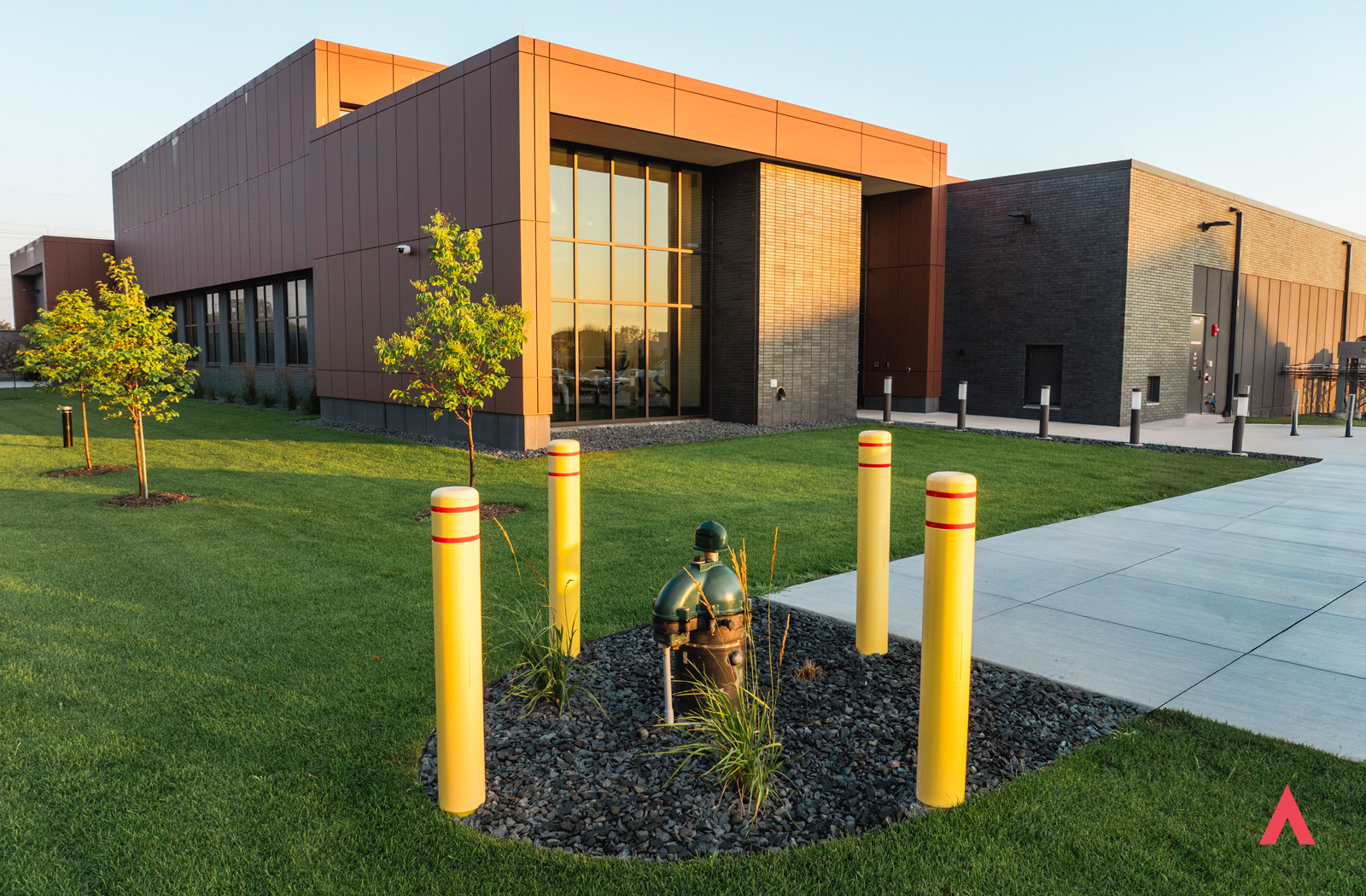
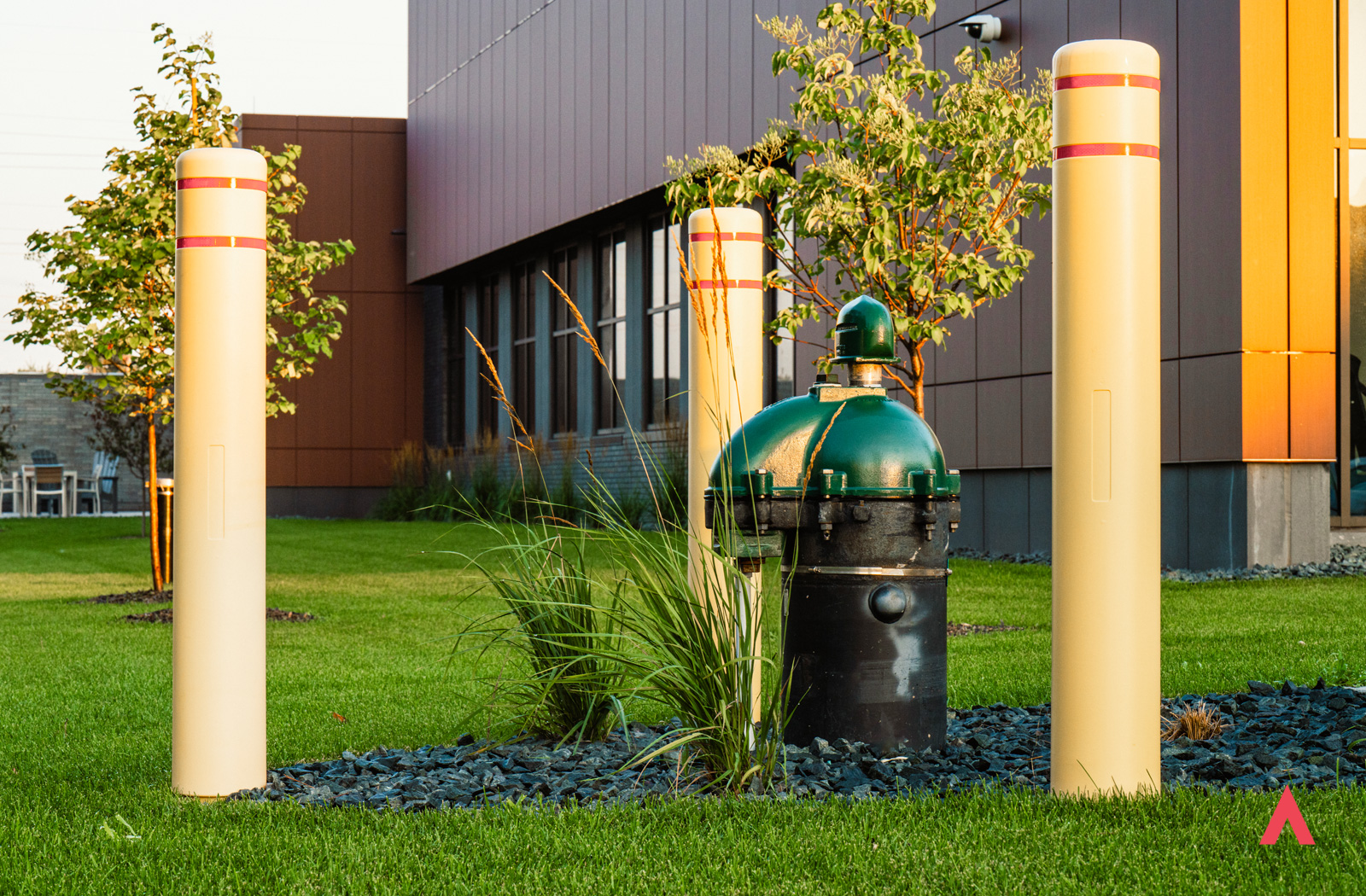
Equipment was placed at the back of the gated facility, easily accessible for operations and maintenance while keeping the wellfield out of the way of daily activity. Since occupancy, the system has performed as designed, operating quietly, efficiently, and reliably in support of round-the-clock emergency response.
A Facility Built for the Future
The Anoka County 911 Emergency Communications Center represents a long-term investment in people, resilience, and public safety infrastructure. The lifecycle cost analysis that drove the geothermal decision reflects the principle that when site conditions, financial goals, and operational needs align, geothermal delivers measurable value that compounds over time.
For the dispatchers and staff who work in the building every day, the result is a modern, comfortable, well-lit workspace designed to support the focus and performance that emergency response demands. For Anoka County, it is a facility built to serve the public reliably for decades, not just to meet today’s needs.