Building History and Use
Bruce Vento Elementary has deep roots on St. Paul’s East Side. The original school, then known as East Consolidated Elementary, opened in September 1971 and was renamed Bruce Vento Elementary in 2000 to honor Congressman Bruce Vento, a St. Paul native, former public school teacher, and longtime public servant who represented the district until his death that year. For more than five decades, the school served the Payne-Phalen neighborhood before the aging building reached the end of its useful life.
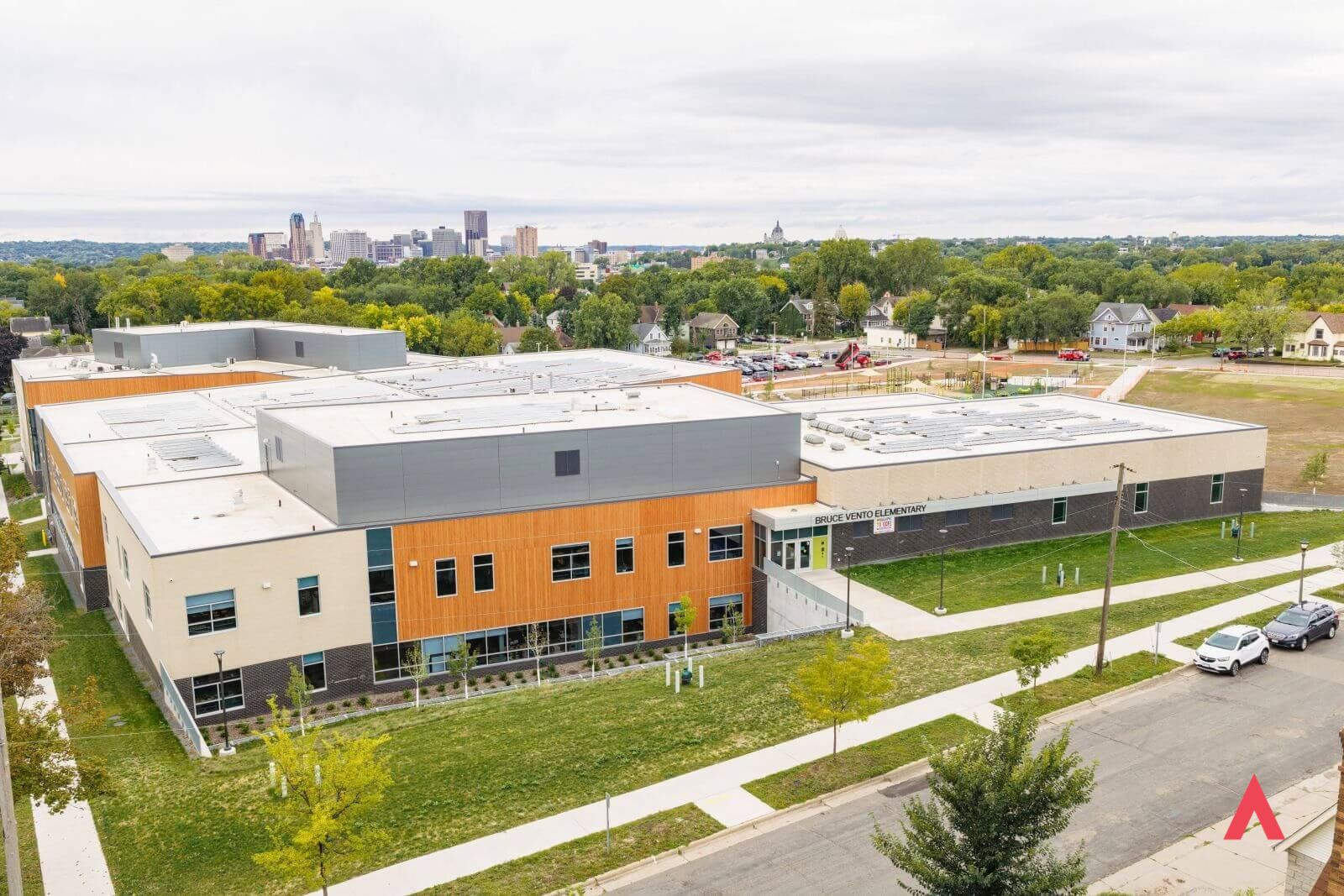
SPPS facilities planning teams had identified Bruce Vento for mechanical improvements as early as 2016. The existing structure was a concrete building with limited windows, several underground boiler rooms, and no ceiling space for overhead mechanical improvements, which made renovation impractical. By 2021, new construction had been determined to be the more feasible path, and planning began in earnest. The project was also designed to serve as a broader community anchor, as a 160,000-square-foot multi-story facility housing the elementary school alongside an early learning hub and community center. The new building would accommodate up to 800 students from Bruce Vento as well as John A. Johnson Elementary, which closed due to declining enrollment.
RJM Construction served as construction manager and the project began in early 2024. The new building opened for students on September 2, 2025, with St. Paul Mayor Melvin Carter among those greeting students on their first day. A ribbon cutting ceremony followed in October 2025, attended by Sue Vento, the congressman’s widow. The old building was demolished once the new facility opened. Bruce Vento is the district’s first new school building in seven years and its first environmental magnet school, with a curriculum built around hands-on environmental education and a building designed to embody those values.
Why Geothermal?
From the beginning of the design process, SPPS identified improving the building’s energy use intensity (EUI) as a key goal, and geothermal was evaluated alongside other sustainable options during the mechanical design phase. The district’s Capital Projects Delivery team engaged the school community throughout the planning process, gathering input from families on priorities such as water savings, solar, and energy savings. That community feedback reinforced the team’s direction and gave the district confidence to pursue a system type it hadn’t used before in a new construction context.
As SPPS has described its broader sustainability commitment, the district is dedicated to fostering healthy and sustainable schools that positively impact students’ learning experience and prepare them to be environmentally literate leaders of tomorrow. For a school whose identity is now organized around environmental education, geothermal fit naturally as a building system and as a teaching opportunity.
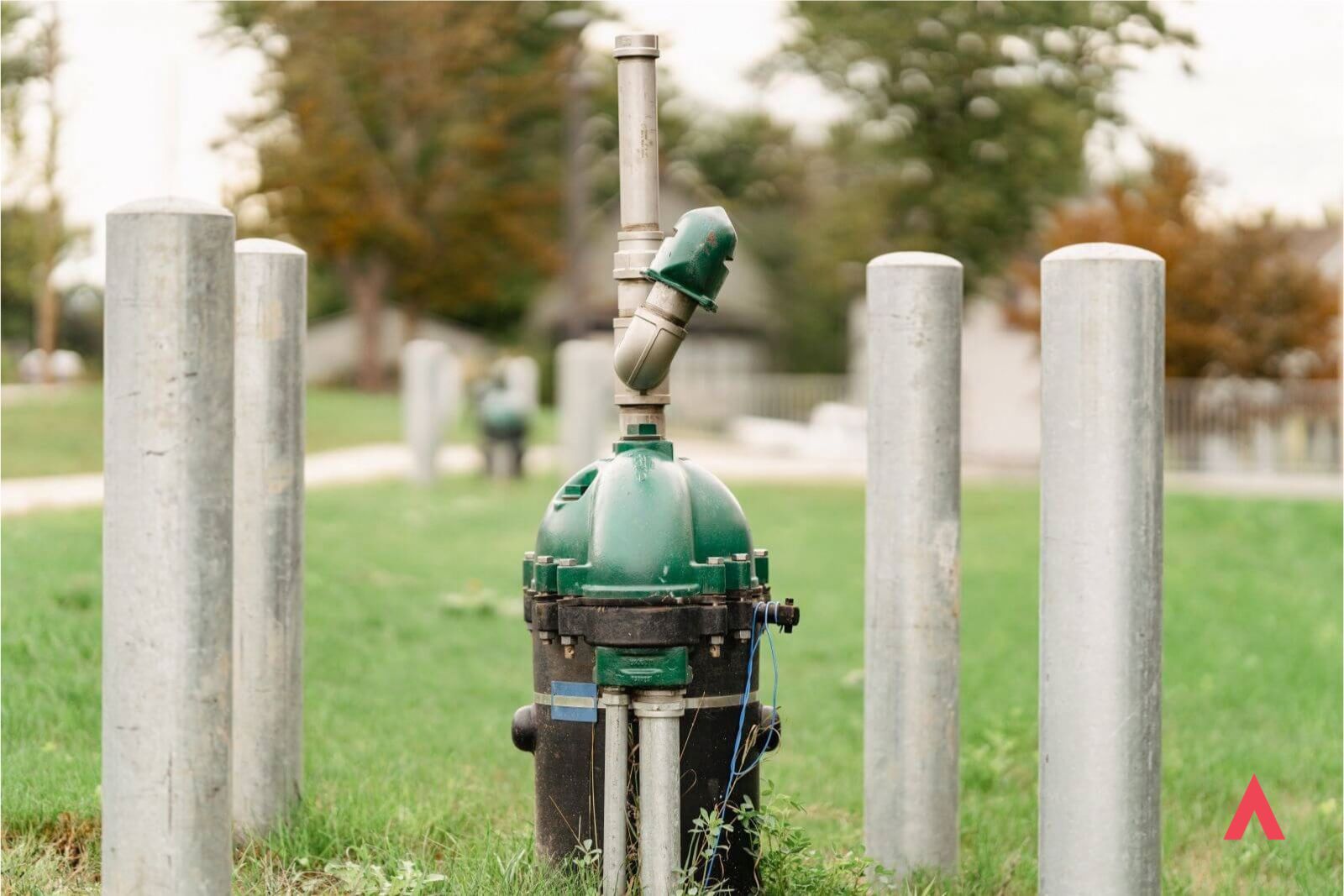
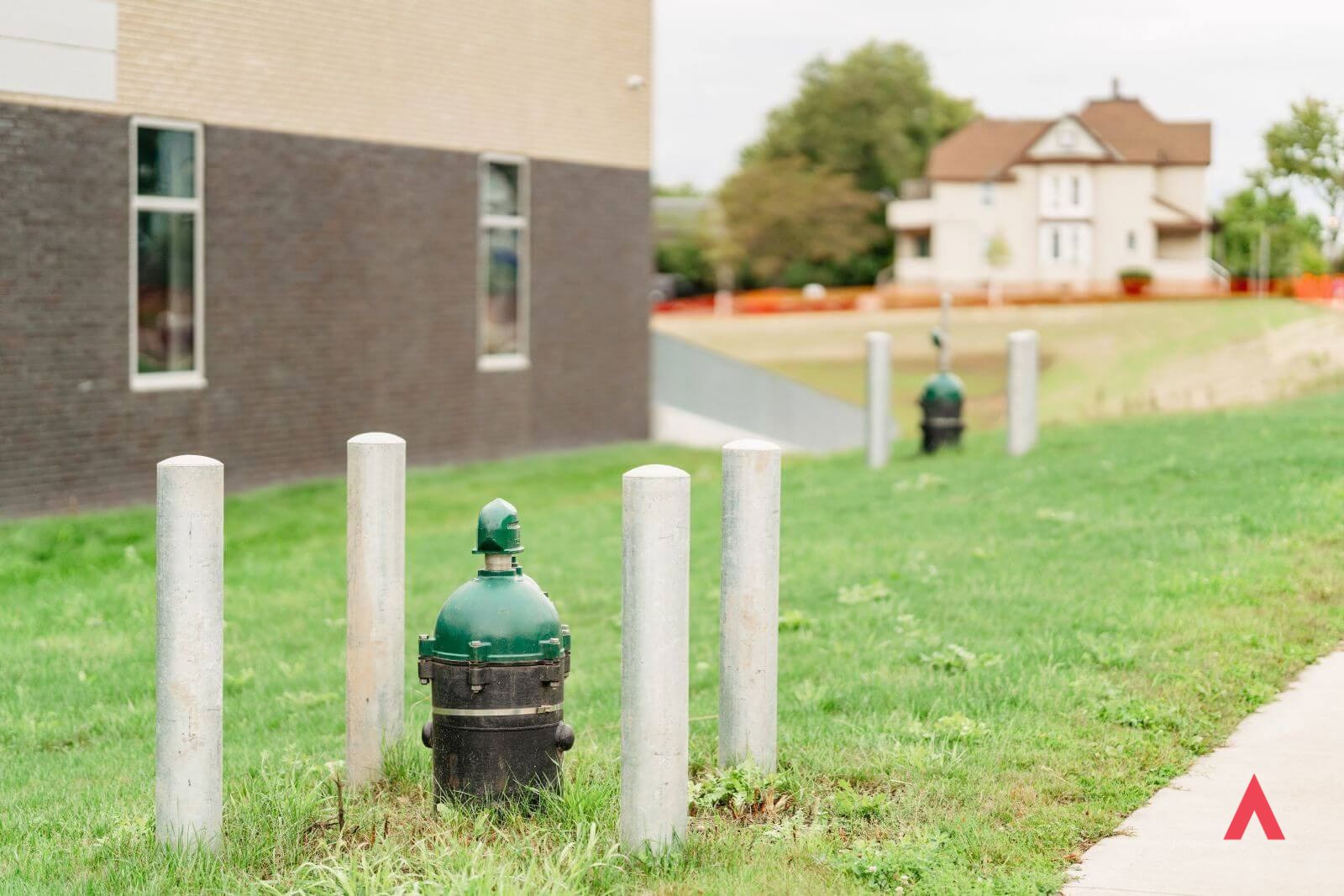
During community engagement, some questions arose about the geothermal system’s relationship to the local aquifer and whether it would pollute or deplete the underground water source. Darcy’s open-loop groundwater system is designed to address these concerns directly. Water is drawn from the aquifer, passes through a sealed heat exchanger where no additives or chemicals are introduced, and is returned to the aquifer at a slightly different temperature. The aquifer itself is not depleted or contaminated by the process.
The final decision to proceed with geothermal came down to a combination of factors, including alignment with environmental goals, ease of long-term maintenance, operational efficiency improvements, site feasibility, and competitive pricing. The project is also taking advantage of the Investment Tax Credit available through the Inflation Reduction Act, improving the long-term financial case for the installation.
Design and Construction
Construction began in early 2024, with underground mechanical and plumbing work underway by summer of that year and the building taking shape through fall 2024 and into 2025. The building was designed to sit on a slight slope on the Payne-Phalen site, with a layout driven by community input gathered throughout the planning process. That input called for more space, more natural light, and outdoor spaces with a nature theme that reflects the school’s new environmental magnet identity.
SPPS Capital Projects Delivery Senior Project Manager Pam Bookhout led the project from the district side. One of the more distinctive planning considerations for the geothermal system was navigating Minnesota Department of Health well permitting requirements, which is a process that differs meaningfully from conventional mechanical systems and required coordination across the project team. Managing driller availability and sequencing the well installation within SPPS’s tight school-calendar-driven construction schedule presented additional complexity, requiring ongoing communication and adjustment between Darcy, the drilling team, and the broader project partners to keep the project moving toward completion.
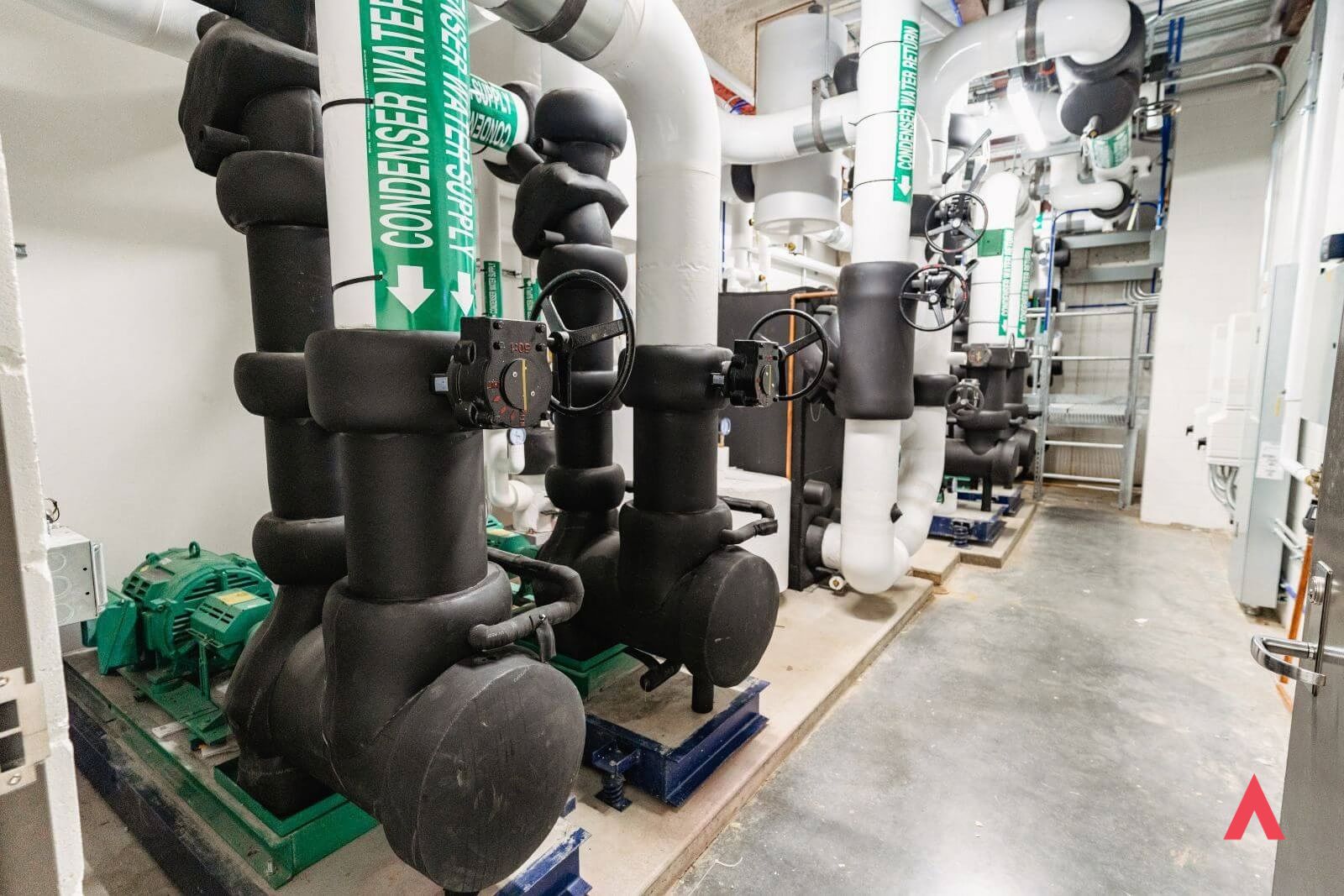
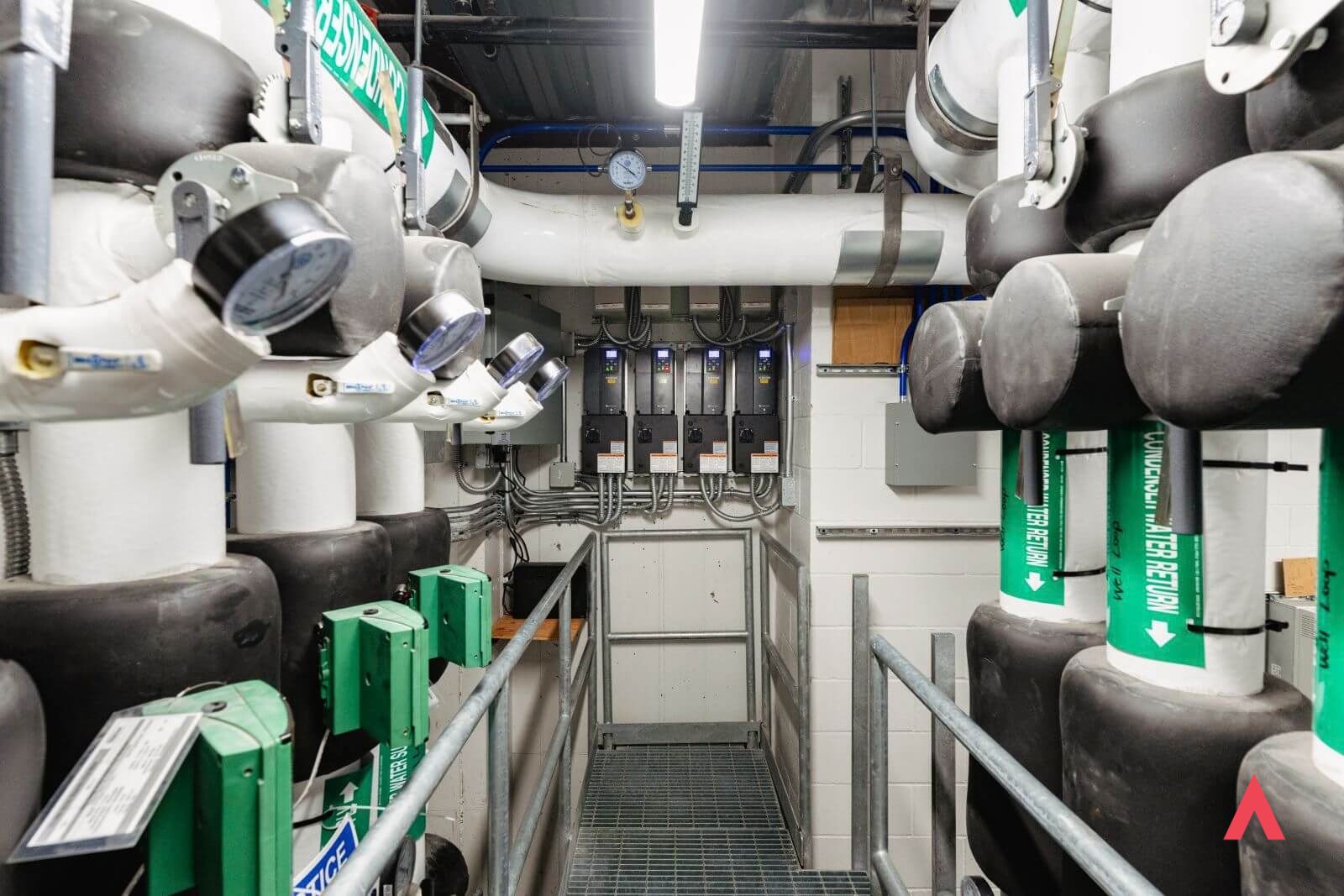
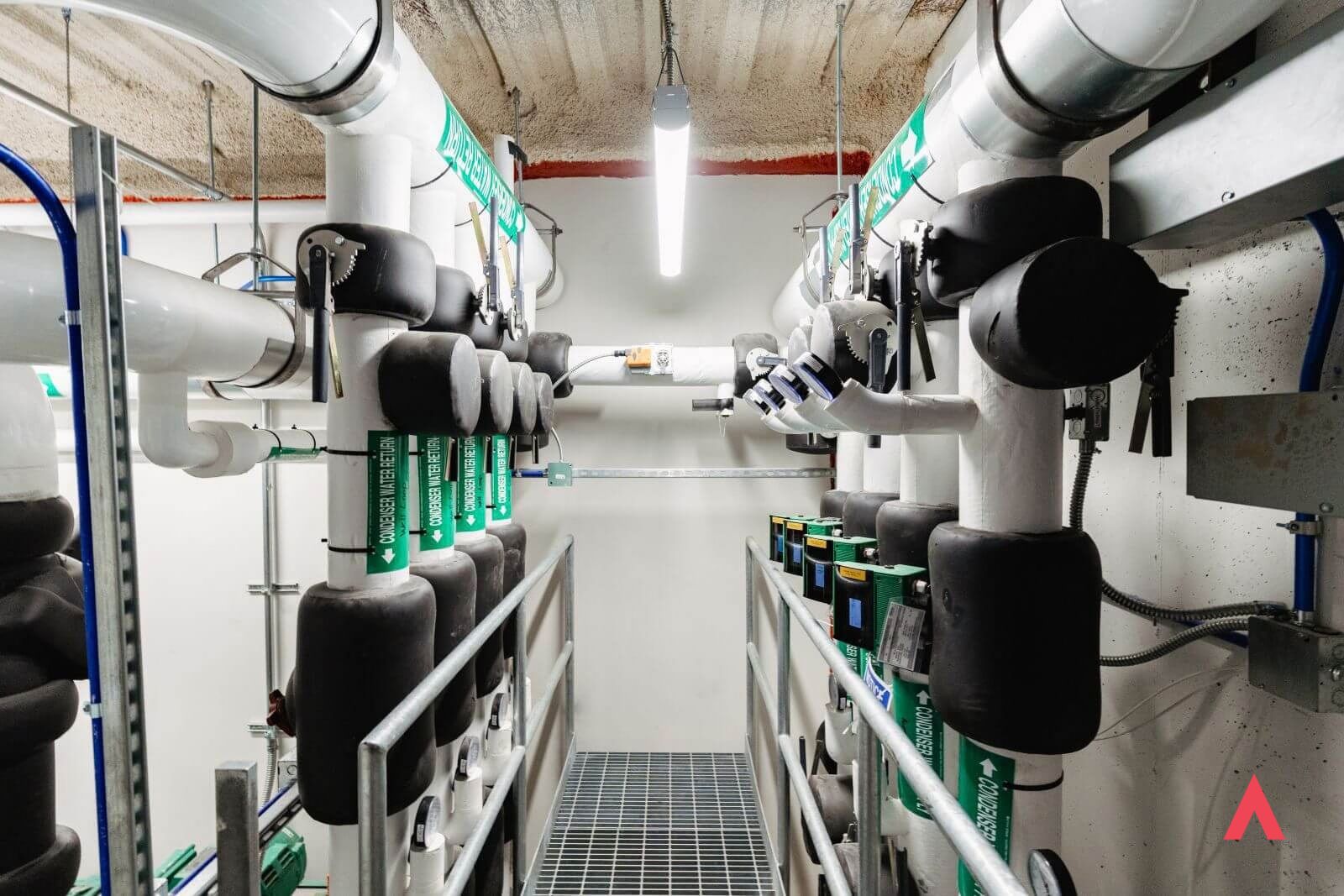
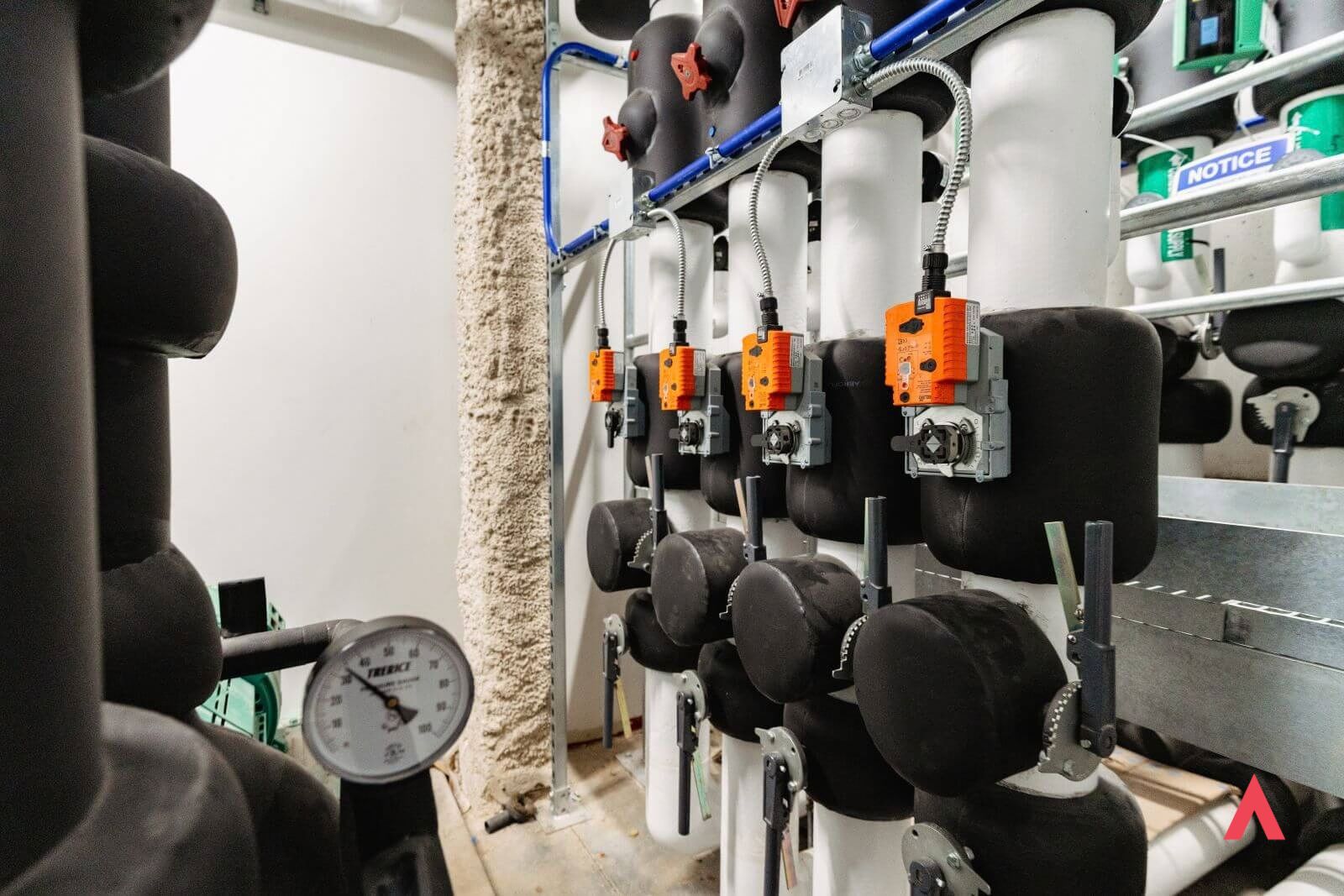
The facility includes solatubes for daylighting, a cistern to collect and reuse stormwater, and the Darcy geothermal system as the building’s primary thermal infrastructure. The system integrates with redundant boilers to ensure reliable heating under all conditions. Following commissioning, SPPS and Darcy have continued working together on operator training and system education, marking an important ongoing step in helping facilities teams build confidence and fluency with a technology that is still relatively new in the K-12 environment.
A School Built for the Next Generation
The new Bruce Vento Elementary is a significant investment in one of St. Paul’s most vibrant and diverse neighborhoods, as well as in the students and families it serves. By opening with geothermal heating and cooling as a core building system and organizing its curriculum around environmental education, the school makes a clear statement that sustainability and educational excellence belong together, and both are within reach for a public school on the East Side of St. Paul.
For Darcy, Bruce Vento is the second completed project with Saint Paul Public Schools alongside Hidden River Middle School, deepening a partnership with one of Minnesota’s largest and most forward-thinking school districts.