Building History and Use
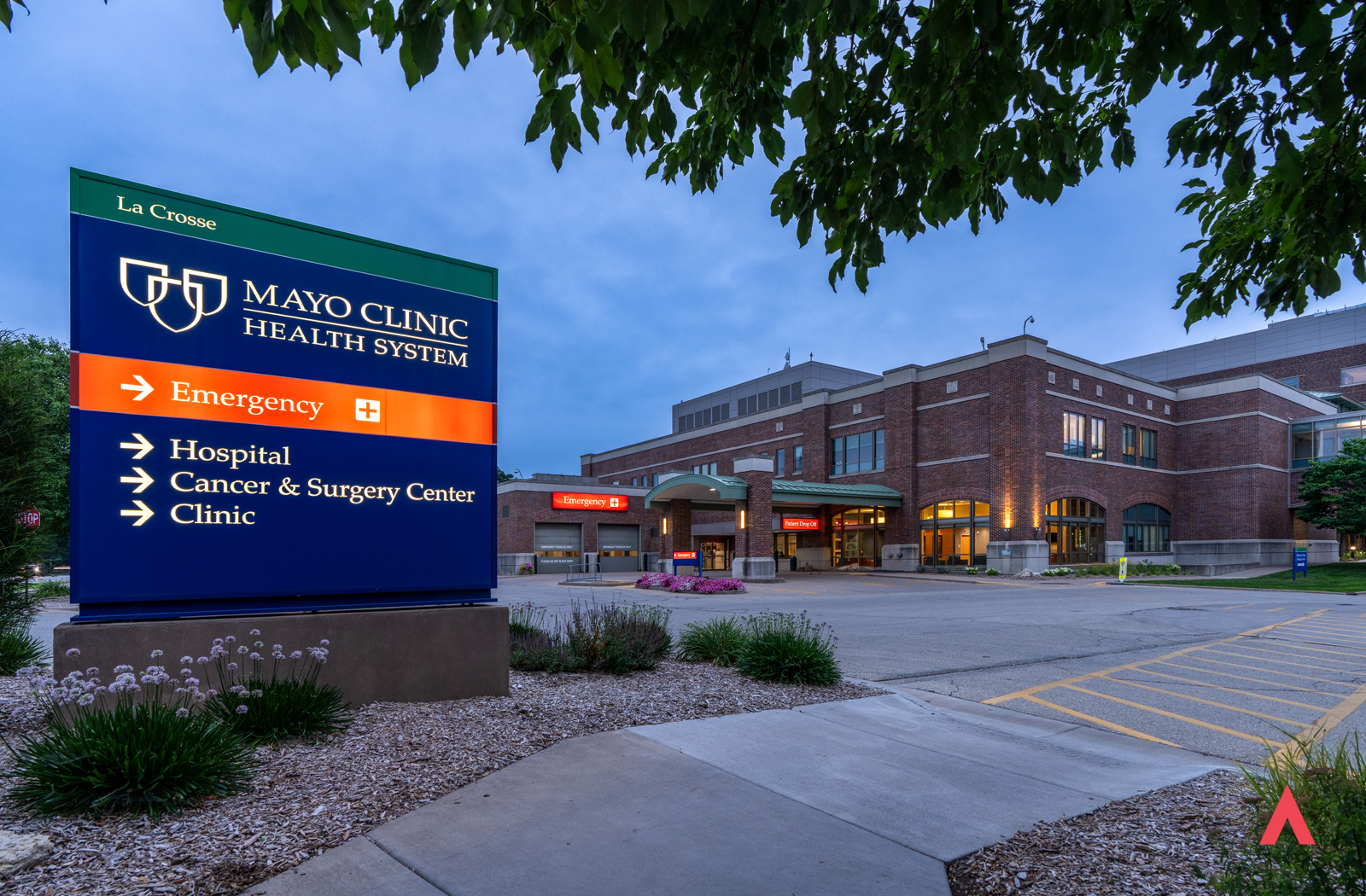
For more than a century, Mayo Clinic Health System has been the anchor of healthcare for La Crosse and the surrounding 7 Rivers Region. Over time, the existing inpatient facilities on campus fell out of step with the demands of modern medicine, specifically in terms of patient expectations, care delivery models, and long-term operational efficiency.
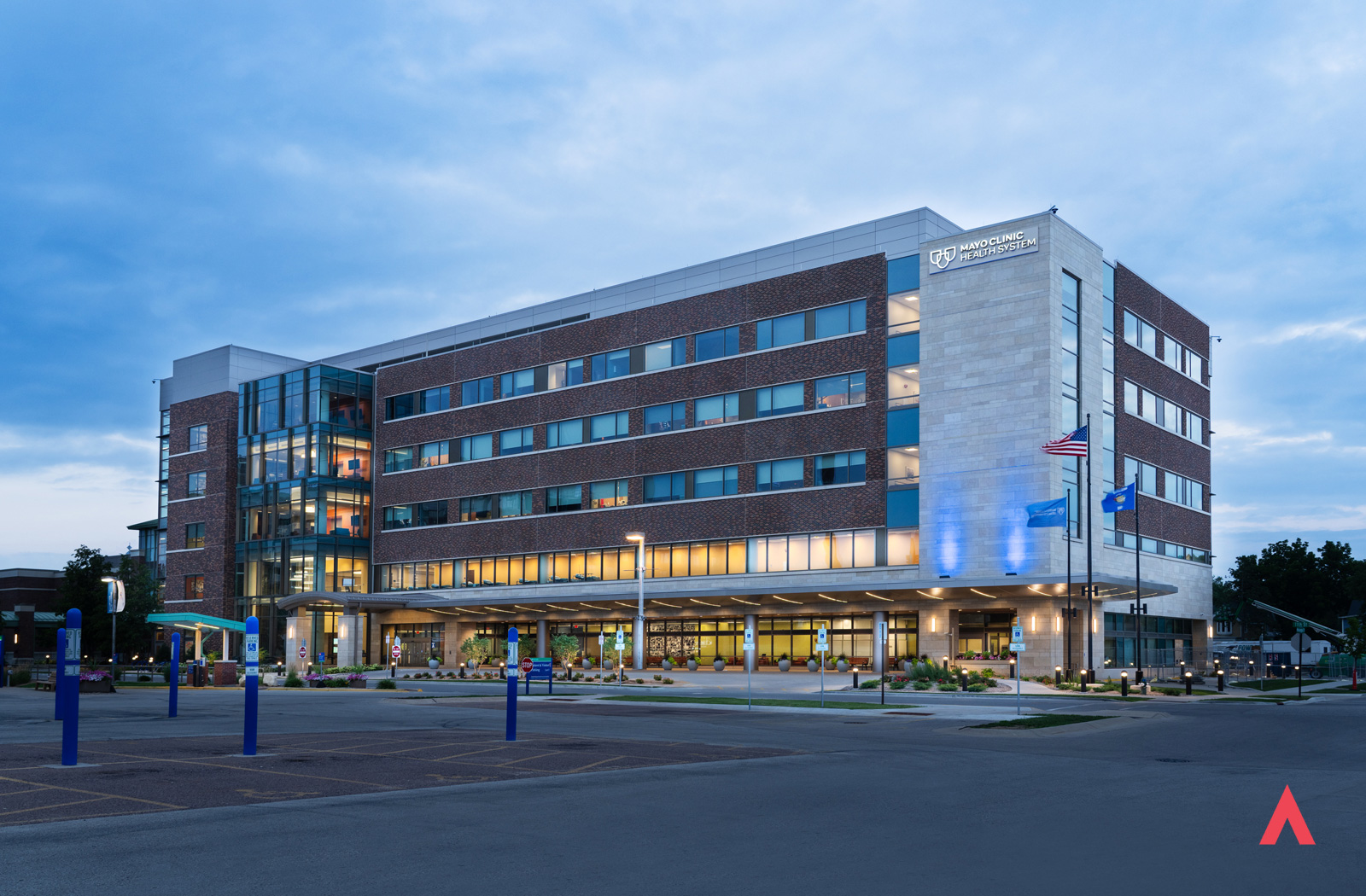
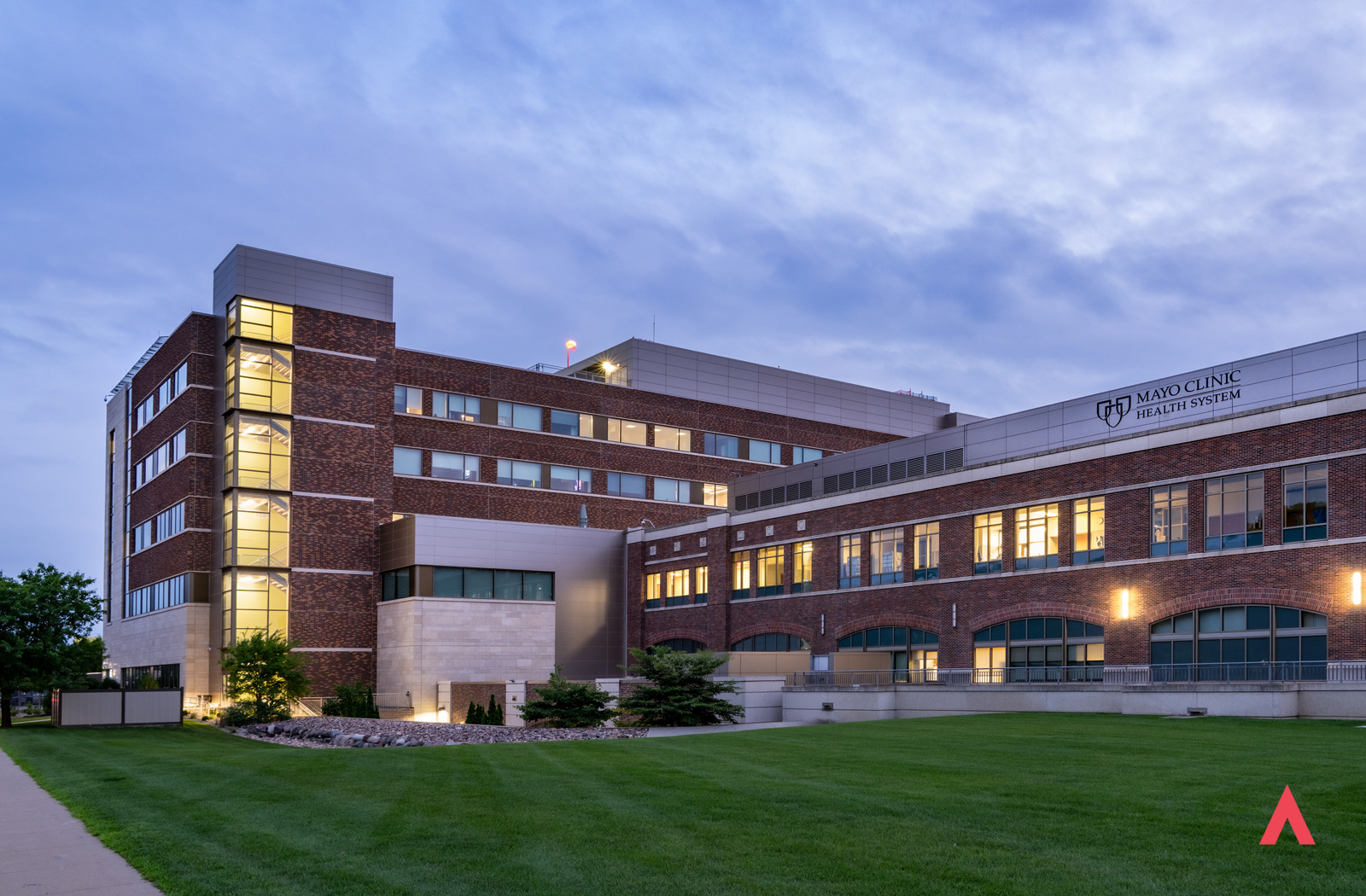
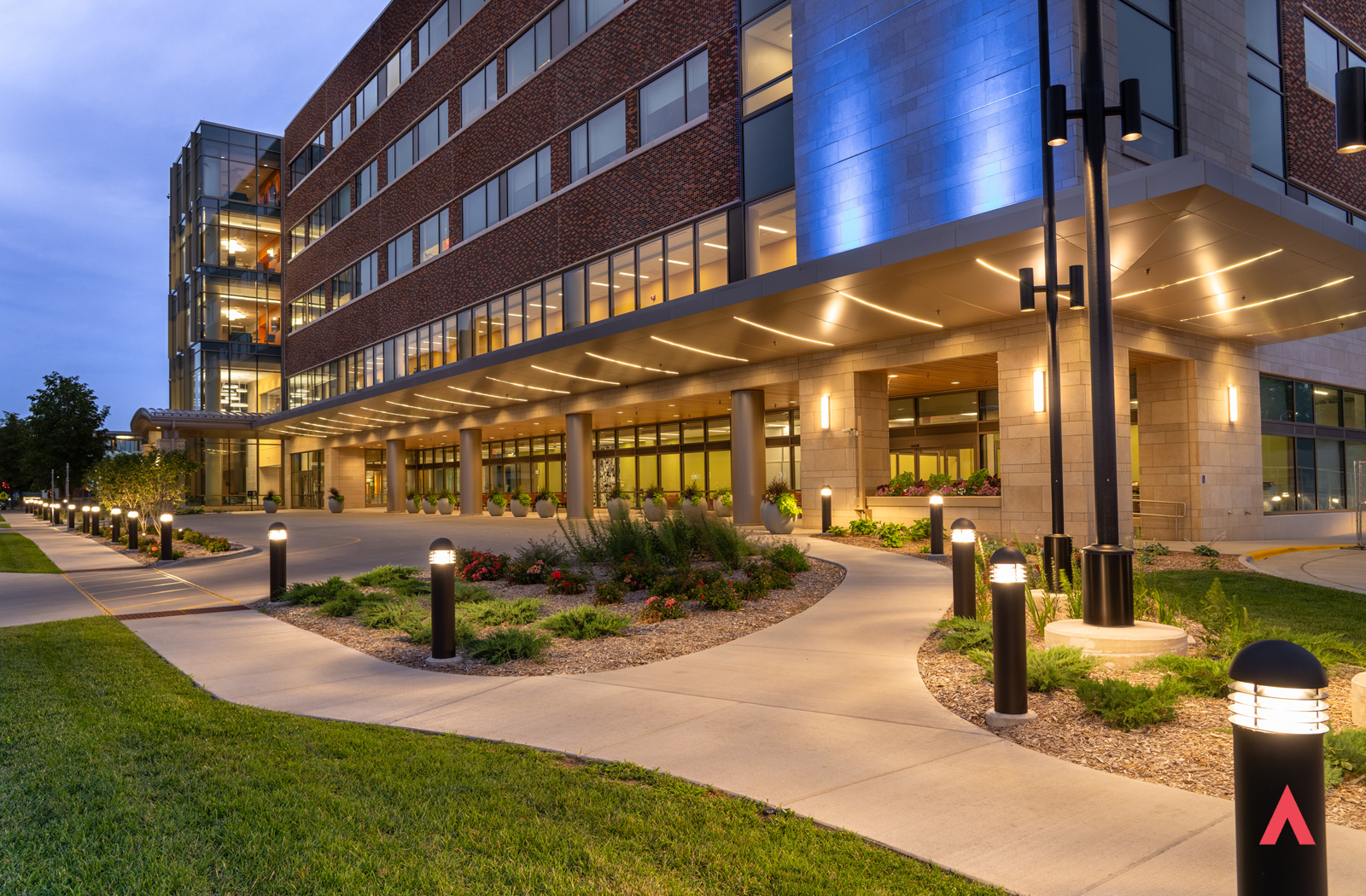
The response was the La Crosse Hospital Bed Tower: a purpose-built inpatient facility designed not just to replace aging infrastructure, but to represent what the next century of regional healthcare could look like. Completed in 2024, the tower stands six stories above grade with an additional below-grade level and mechanical penthouse, delivering nearly 300,000 square feet of modern inpatient space. It is currently the largest construction project in the system’s regional history.
The goal extended beyond capacity. This was an opportunity to modernize care delivery, improve patient and staff experience, and invest in a facility built to perform well into the future, keeping high-quality care close to home for the communities Mayo Clinic Health System serves.
Why Geothermal?
From the earliest stages of planning, the Bed Tower was envisioned as a long-term healthcare asset that balanced clinical performance with environmental responsibility. The design team focused on reducing energy demand at the building scale through efficient massing, durable construction, and integrated systems, prioritizing solutions that would support patient comfort and reliability while lowering operational impact over the life of the building.
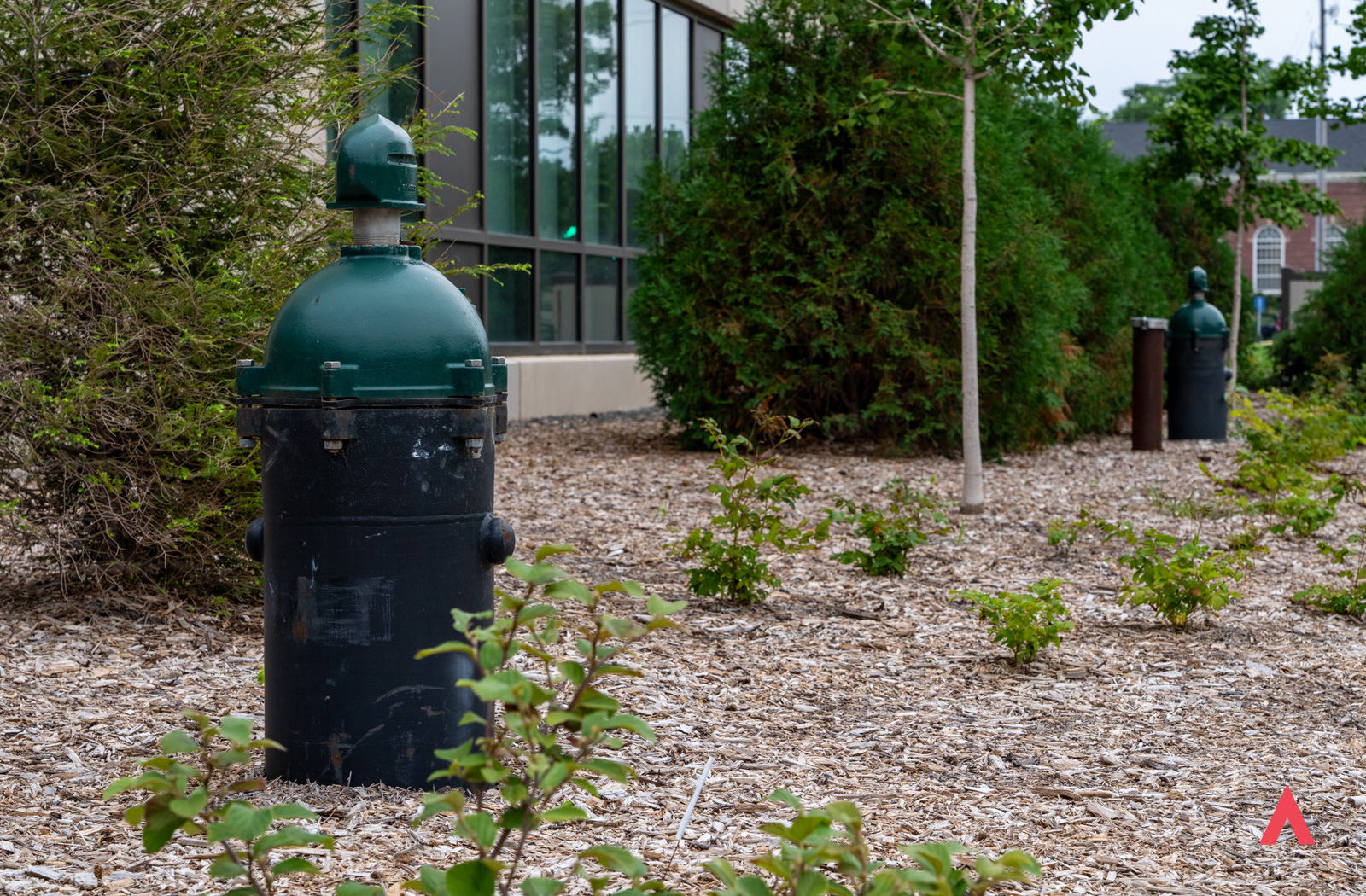
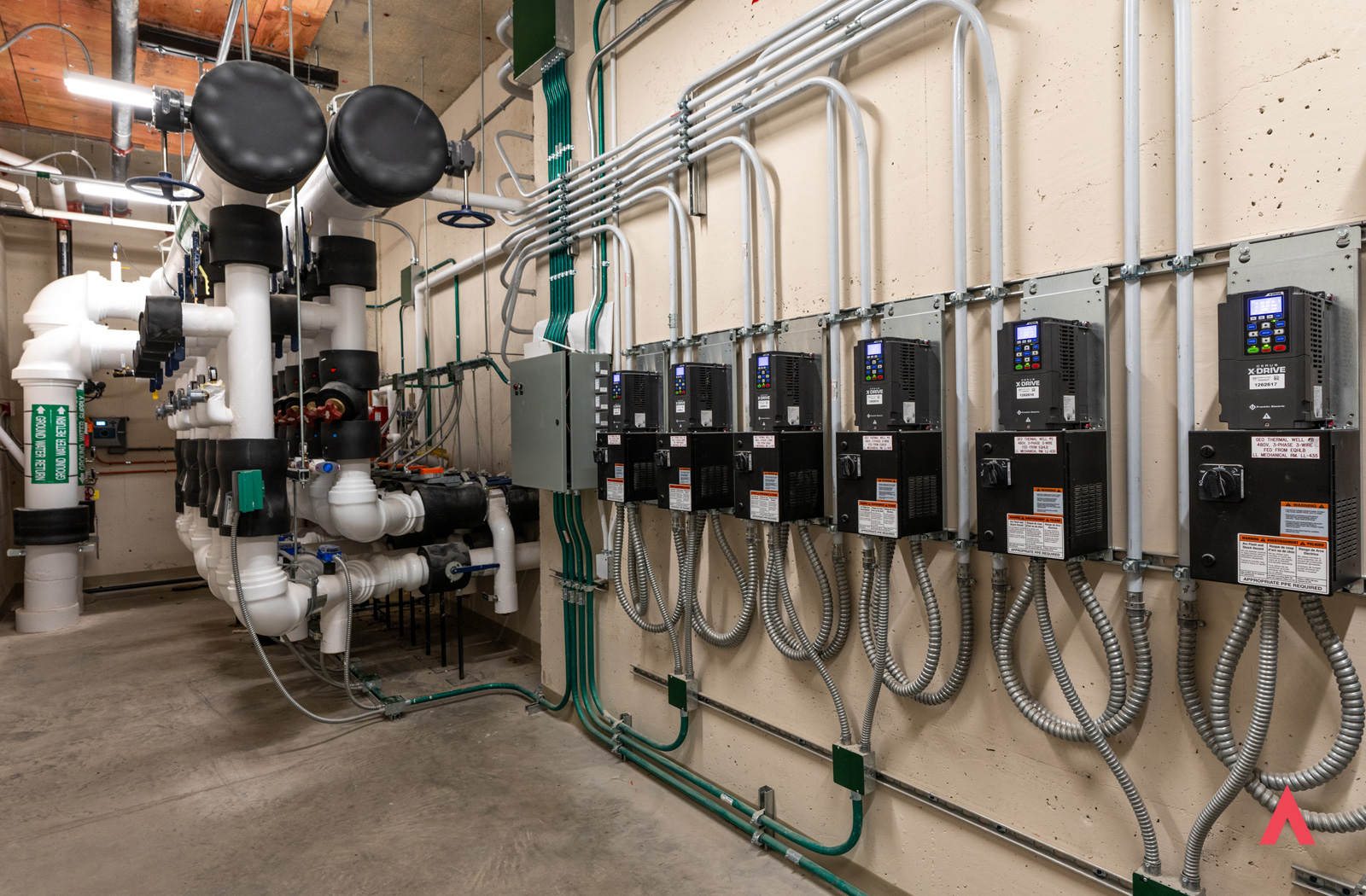
A Darcy groundwater geothermal heating and cooling system was selected to serve the tower, leveraging stable subsurface temperatures to deliver efficient, low-carbon conditioning year-round. Paired with advanced lighting, building controls, and chilled beam technology, the approach significantly reduces energy use compared to conventional hospital systems, aligning the Bed Tower with Mayo Clinic Health System’s broader sustainability goals while supporting resilient, cost-effective healthcare operations. The system’s compact footprint was also a practical advantage. Requiring significantly fewer wells than a traditional closed-loop approach, the Darcy system fit the constraints of an active hospital campus without disrupting patient care or clinical operations during construction.
Design and Construction
Designing and building within an operating hospital campus introduced a layer of complexity that demanded close coordination from the start. Clinical teams, facilities managers, and construction partners worked in continuous alignment to ensure uninterrupted patient care throughout the project, which was a non-negotiable priority given the nature of the facility.
Construction officially began in 2022 following extensive site preparation and utility coordination. Throughout the build, Darcy’s geology and installation teams worked within the constraints of the active campus, sequencing the well installation to minimize site disruption while meeting project milestones. By 2024, the tower was complete and operational. IMEG led design and project management for the project. For additional information on the design process, please visit the IMEG project page.
Built to Support Tomorrow’s Care
The La Crosse Hospital Bed Tower is more than a replacement facility. It is a strategic investment in resilient, responsible healthcare infrastructure for an entire region.
By combining a high-performance geothermal system with thoughtful planning and long-term adaptability, Mayo Clinic Health System has created a building that supports exceptional patient care while reducing environmental impact and operational cost. The flexible spaces built into the tower are designed to evolve alongside care delivery models, ensuring the facility remains relevant and effective well into the future. As healthcare continues to evolve, the Bed Tower stands as a model for how high-performance, geothermal-enabled design can strengthen community hospitals and serve patients for generations to come.