

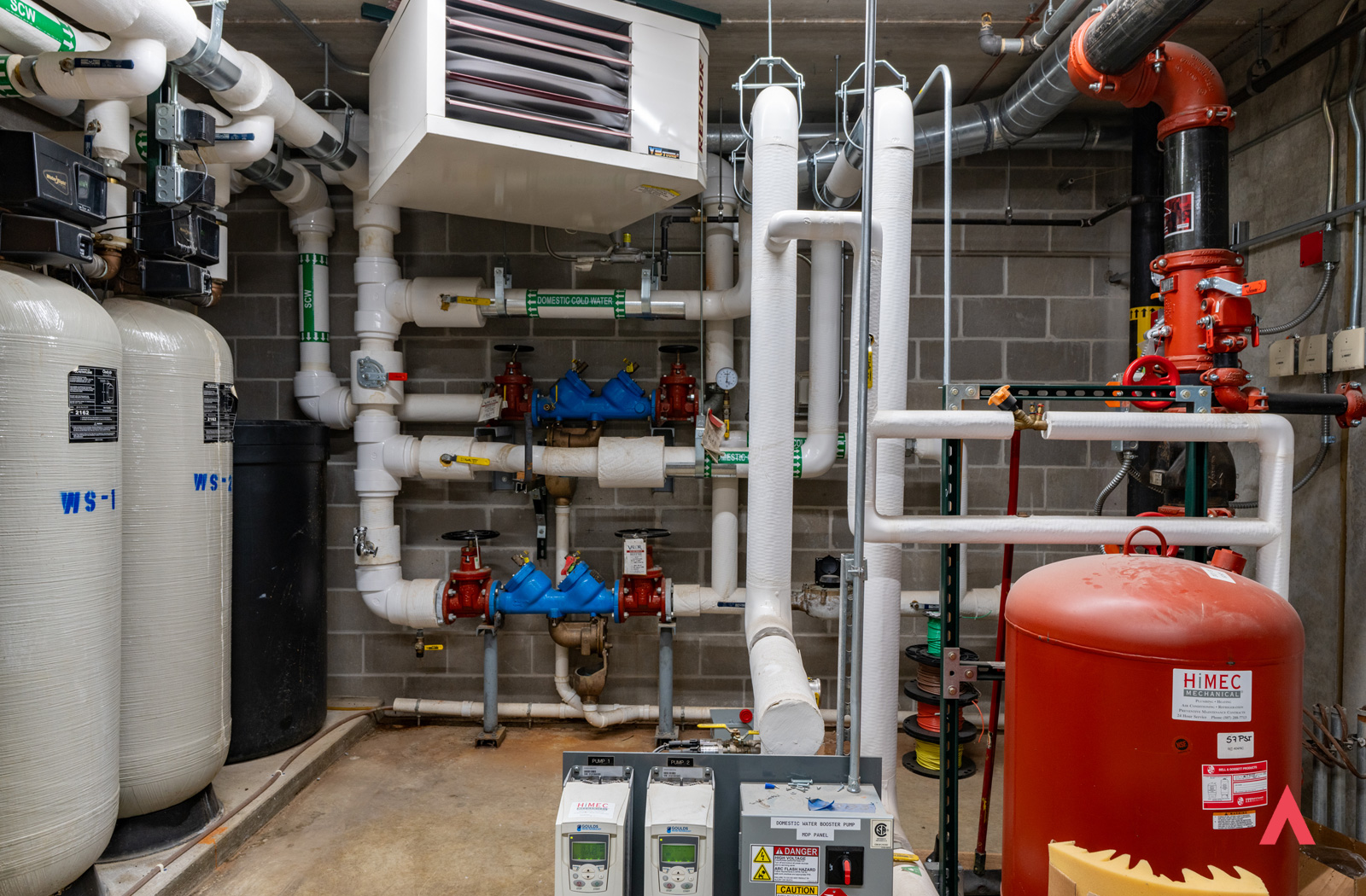
Building and HVAC System History
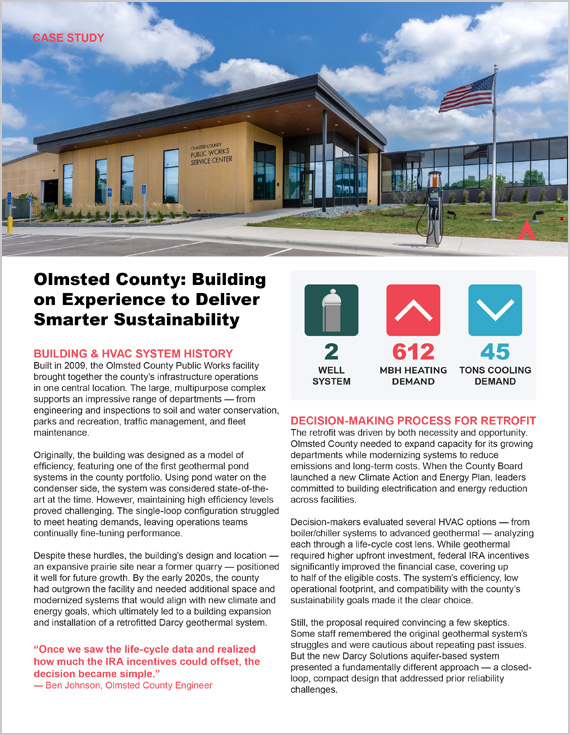
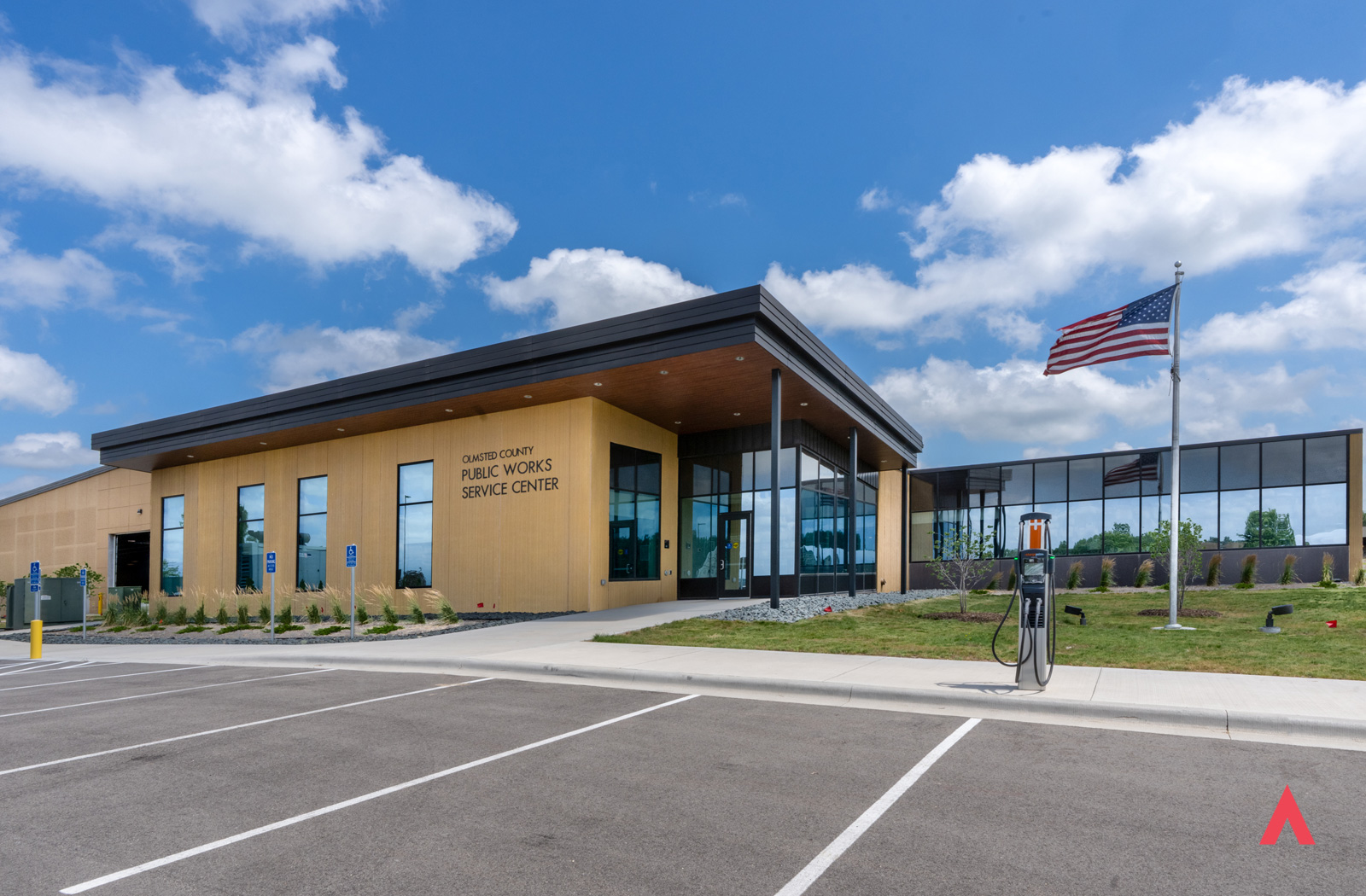
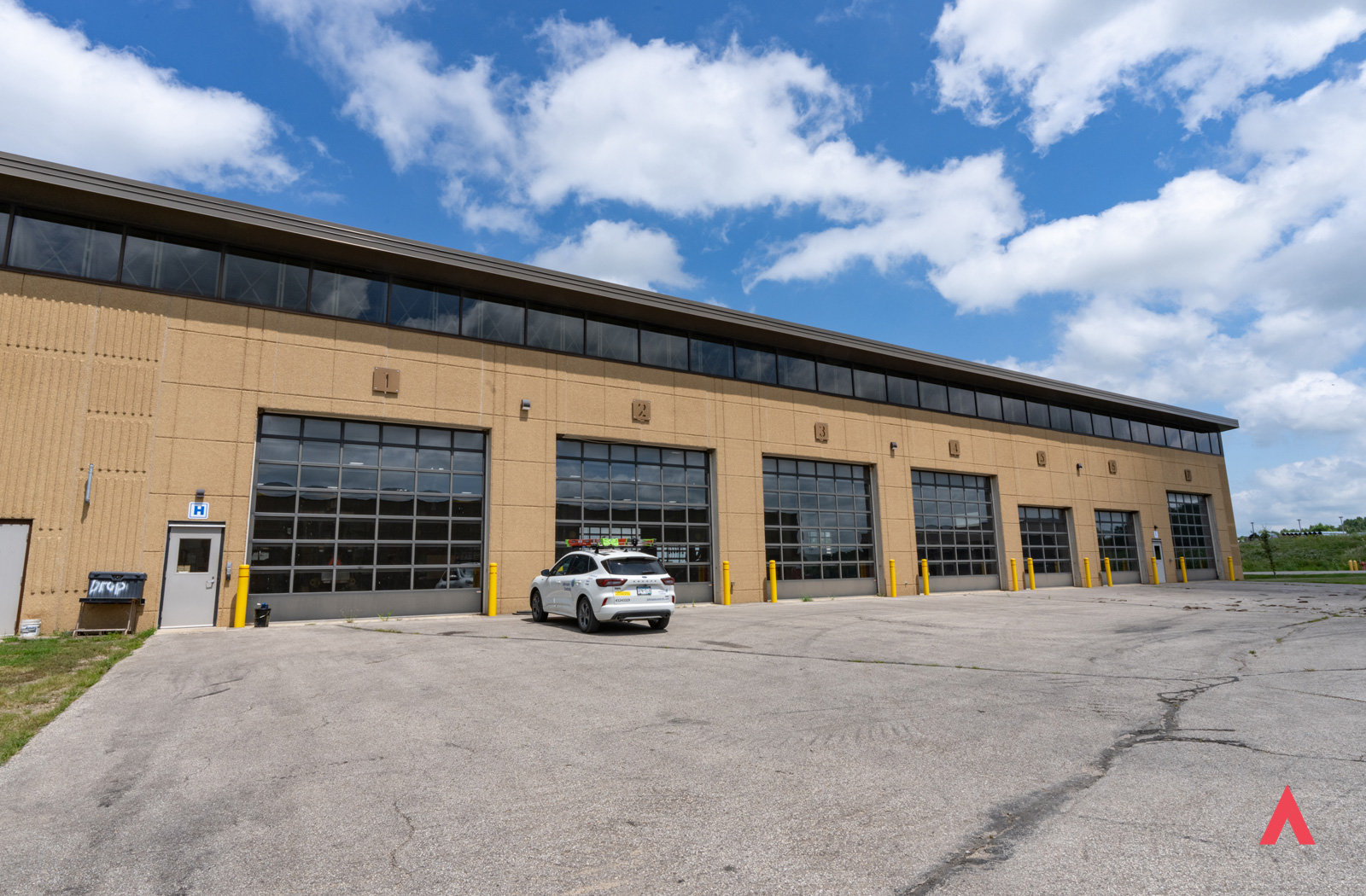
Built in 2009, the Olmsted County Public Works Service Center unified the county’s infrastructure operations within one central location. The large, multipurpose complex serves an impressive range of departments, from engineering and inspections to soil and water conservation, parks and recreation, traffic management, and fleet maintenance. It is a working hub for the county’s day-to-day operations and a staging point for large-scale responses to snow removal, natural disasters, and other community needs.
From the beginning, the building was designed as a model of efficiency. It featured one of the first geothermal pond systems in the county’s portfolio, using pond water on the condenser side. At the time, it was considered state-of-the-art. Over years of operation, however, maintaining high efficiency levels proved difficult. The single-loop configuration struggled to meet heating demands, and operations teams found themselves continually adjusting the system to maintain performance.
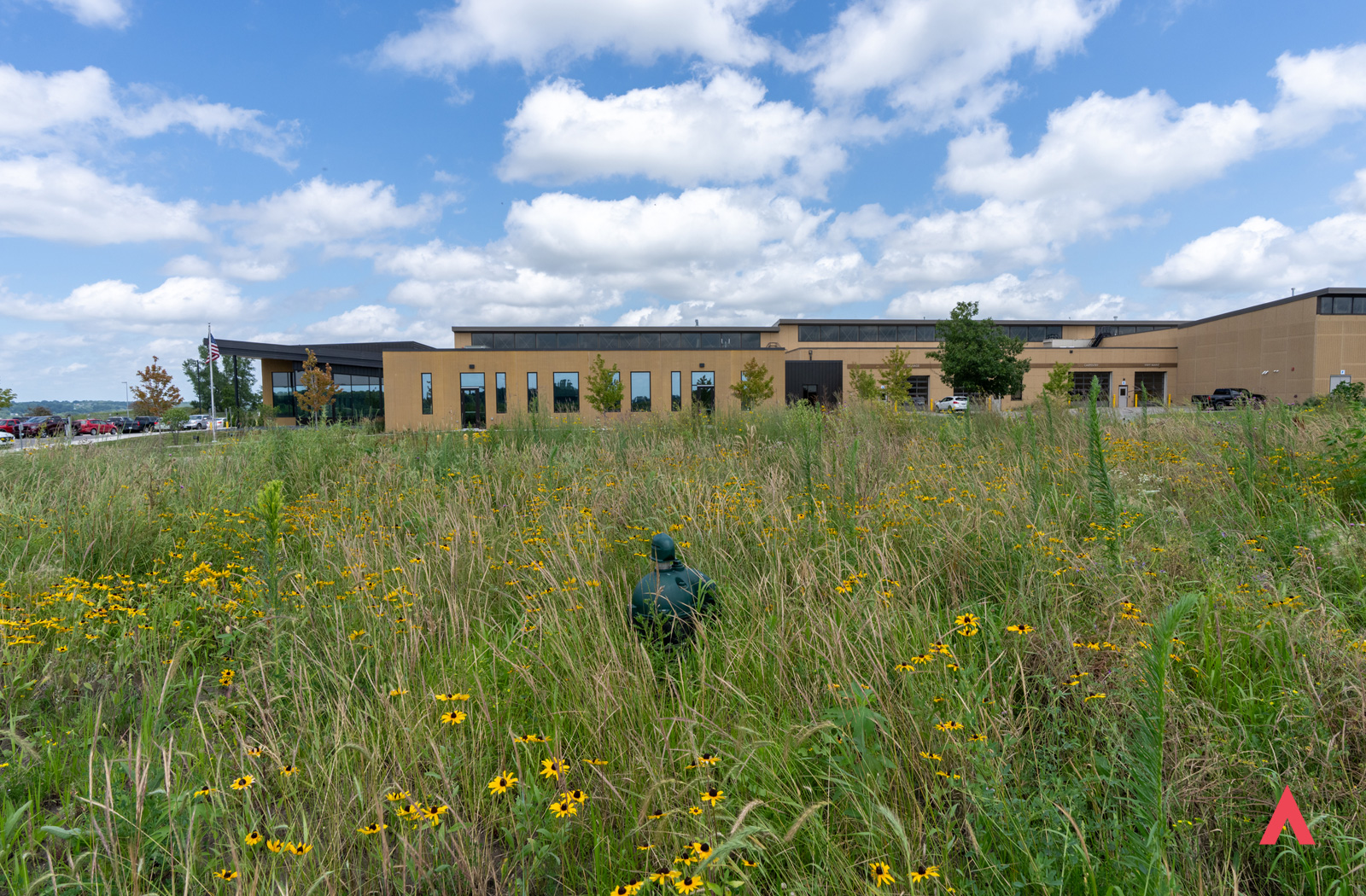
Despite those challenges, the building’s expansive prairie site near a former quarry gave it room to grow. By the early 2020s, the county had outgrown the facility and needed both additional space and modernized systems that could align with new climate and energy goals. The result was a building expansion paired with a Darcy geothermal retrofit.
Decision-Making Process for Retrofit
The retrofit was driven by both necessity and opportunity. Olmsted County needed to expand capacity for its growing departments while reducing emissions and long-term operating costs. The County Board’s Climate Action and Energy Plan created a clear mandate to electrify buildings and reduce energy consumption across the county portfolio.
Decision-makers evaluated several HVAC options, from boiler and chiller systems to advanced geothermal, analyzing each through a lifecycle-cost lens. Geothermal required a higher upfront investment, but federal IRA incentives changed the financial picture significantly, covering up to half of eligible costs. The system’s efficiency, low operational footprint, and alignment with county sustainability goals made it the clear choice.
There was some internal skepticism to work through, however. Staff who remembered the original pond system’s reliability struggles were cautious about repeating past problems. Darcy’s aquifer-based approach addressed that concern directly. As a closed-loop, compact design, it represented a fundamentally different technology from what had come before, rather than just a different iteration.
“Once we saw the life-cycle data and realized how much the IRA incentives could offset, the decision became simple,” said Olmsted County Engineer Ben Johnson.
Design and Construction
To bring the project to life, Olmsted County assembled a collaborative team including Facilities Director Matt Miller, Building Operations Manager Greg Larson, Chad Schuman, and the HGA design team, with Darcy leading geothermal design and implementation.
The site’s open landscape simplified well placement and left room for future expansion. Coordination among multiple contractors introduced some complexity, particularly around well inspection and integration points. The team also worked through regulatory learning curves, as state agencies were less familiar with Darcy’s aquifer thermal technology. Despite those challenges, construction remained on schedule.
Once installed, the system’s small footprint and minimal operational disruption were welcome results for the facilities team.
A Model for What’s Next
With the Public Works retrofit now in operation, Olmsted County is already applying lessons from the project to upcoming facilities, including the Graham facility, which will use similar geothermal technology and take advantage of IRA incentives. For county leaders, the Public Works project is about more than one building. It is about building a replicable approach to modernizing public infrastructure that matches the region’s sustainability ambitions.
After a brief learning curve following commissioning, the system performed as expected, cutting energy costs, reducing emissions, and aligning with county sustainability goals. “We’re learning as we go, but the results speak for themselves,” Miller said. “We’d make the same decision again.”