

Building History and Use
Como Park Zoo and Conservatory has been a cornerstone of St. Paul community life for generations. Free and open to the public, the zoo and conservatory hosts animals, botanical gardens, seasonal exhibits, and educational programming for hundreds of thousands of visitors each year. As the largest energy user in the City of Saint Paul’s building portfolio, with energy costs exceeding $1 million annually, Como has long been a priority target for the city’s sustainability and decarbonization efforts.
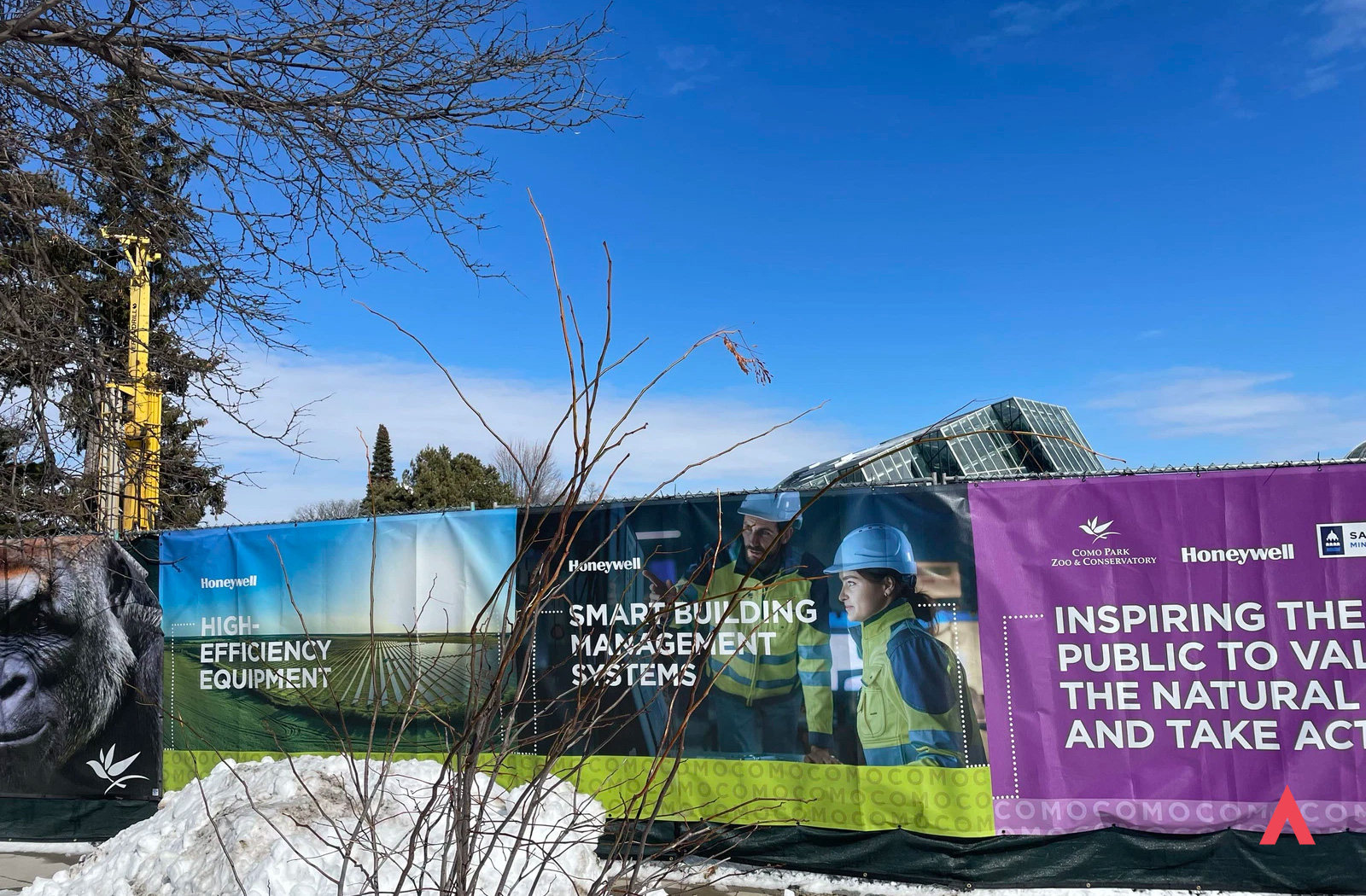
The zoo’s aging central steam plant, which had served the campus for roughly 70 years, had reached the end of its useful life. The combination of declining system efficiency, rising operating costs, and the city’s commitment to carbon neutrality made a comprehensive infrastructure upgrade both necessary and timely. In partnership with Honeywell’s Building Automation team, the City of Saint Paul initiated a multifaceted project to modernize the Primates, Polar Bear, and Administration buildings with sustainable systems designed to serve the zoo for decades to come.
Why Geothermal?
The project’s energy and sustainability goals pointed clearly toward geothermal as the thermal backbone of the upgrade. The campus required a high-capacity system capable of providing reliable heating and cooling for animal habitats with unique life safety and comfort requirements, particularly in the Primates and Polar Bear buildings where temperature consistency is directly tied to animal health and welfare.
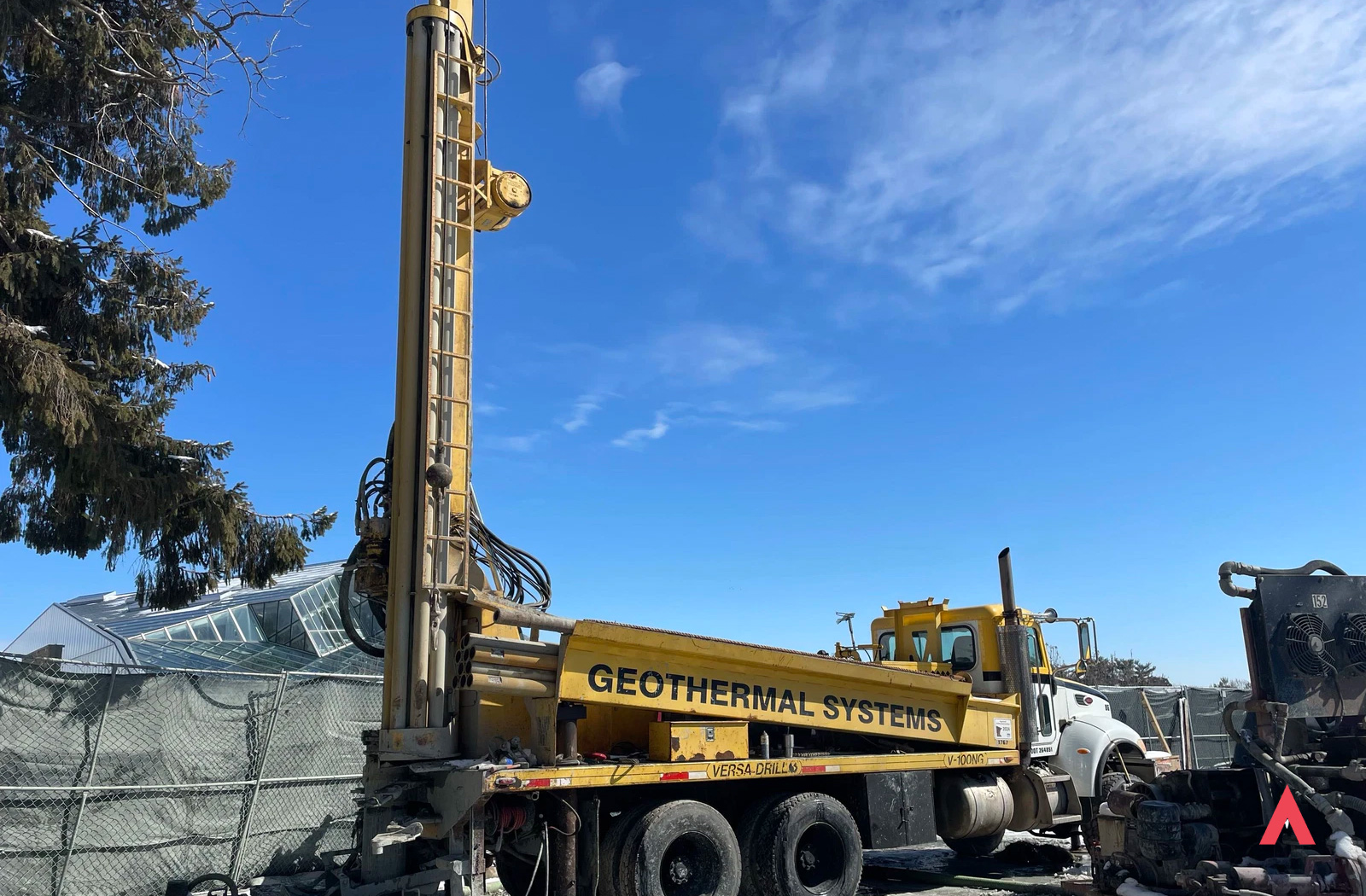
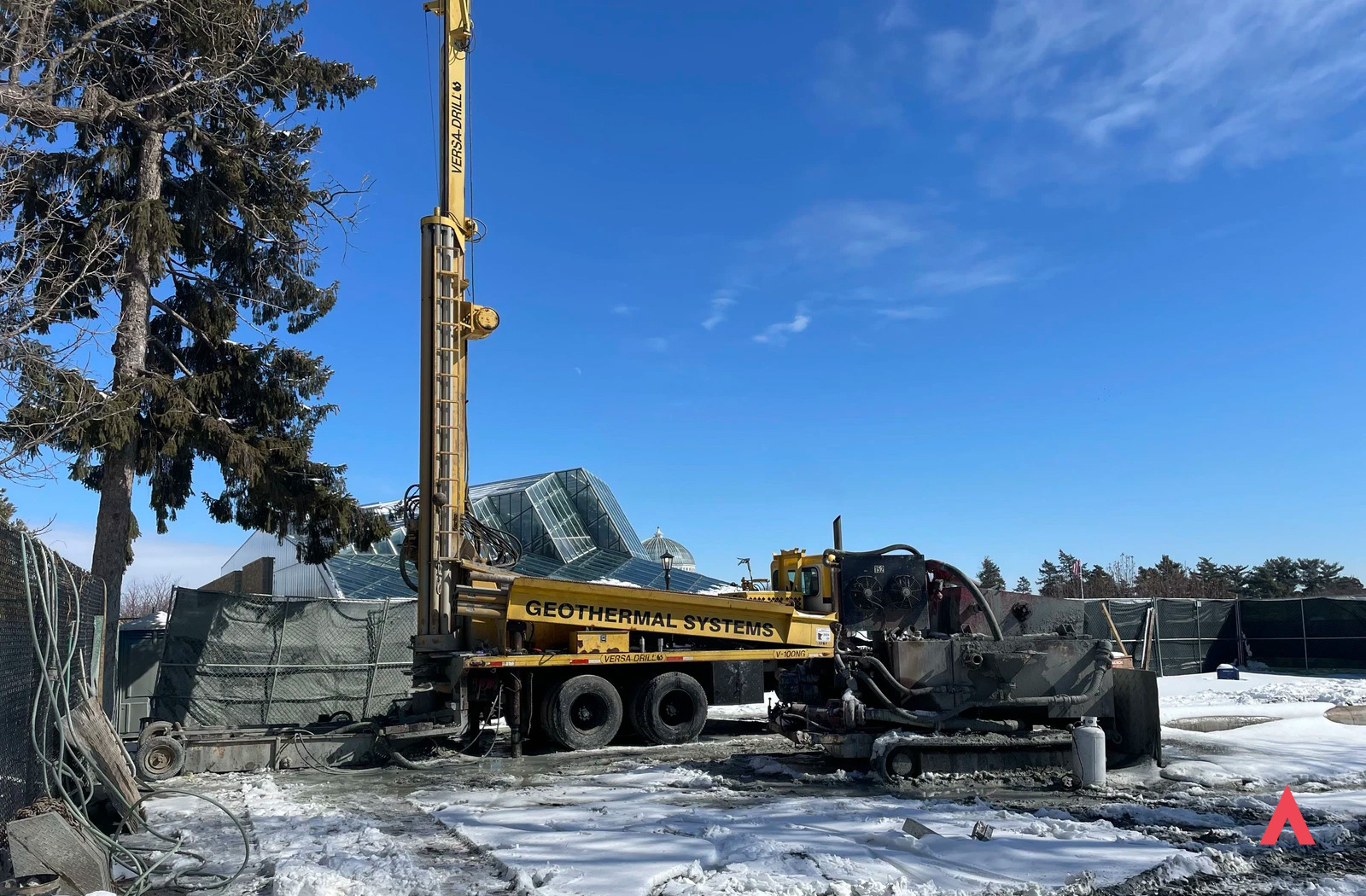
Geothermal source heat pumps were selected to replace the aging steam plant and provide heating and cooling to the buildings’ hydronic systems. New geothermal wells supply both chilled water and existing hydronic hot water heating, while a dedicated geothermal heat pump system handles domestic hot water with storage for optimized production. Existing direct expansion cooling equipment was replaced with higher-efficiency chilled water cooling. High-efficiency backup boilers and emergency generators ensure grid resilience and maintain the facility’s life safety requirements for its animals at all times.
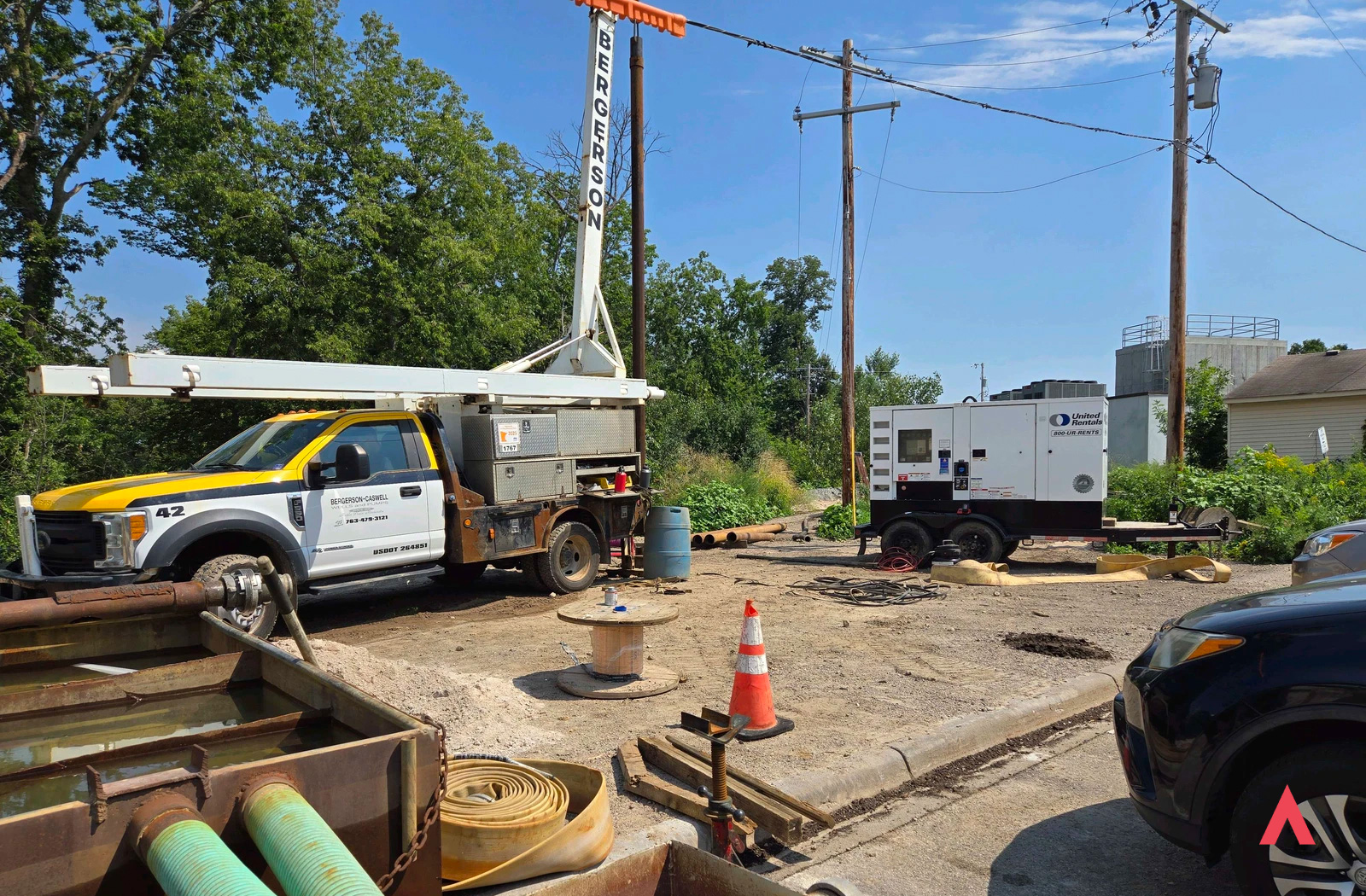
Darcy was selected to design and install the geothermal wellfield. The system navigates the geographic constraints of the Como campus while delivering the thermal capacity required for one of the city’s most complex and demanding facilities.
The total project, including LED lighting upgrades, mechanical system updates, and a new building management system across the full campus, is projected to deliver up to $1.8 million in energy and operational cost savings over three years.
Design and Construction
Funding for the project was assembled from several sources, including congressionally directed spending through the U.S. Department of Energy’s Office of Energy Efficiency and Renewable Energy, State of Minnesota bonding funds, and the City of Saint Paul’s Common Cent Program, which is a voter-approved one-cent local sales tax increase that directs funds toward improvements to the city’s roads and park and recreation facilities.
The project was delivered under Honeywell’s guaranteed performance contract model. Honeywell has guaranteed more than $9.5 billion in energy and operational cost savings for over 3,400 projects globally, speaking to a performance guarantee model that gave the City of Saint Paul a high degree of confidence in the projected outcomes before construction began.
A Landmark Project for a Landmark Institution
The Como Park Zoo and Conservatory geothermal project reflects what city-led sustainability investment can look like at its most meaningful. A beloved, free public institution that has served St. Paul for generations is being modernized with clean energy infrastructure that will keep serving its animals, plants, and visitors for generations to come.
As Como Director Michelle Furrer described it at the project groundbreaking: “This project is a significant step forward in Como Park Zoo and Conservatory’s commitment to sustainability and environmental stewardship,” said Como Director Michelle Furrer. “By partnering with Honeywell, we are not only aligning with the City of Saint Paul’s climate action goals but also helping to ensure that our facilities continue to support the well-being of our animals and the comfort of our visitors.”
For more information on the project from the zoo’s perspective, visit the Como Zoo and Conservatory geothermal project page.