A New Home for Knowledge
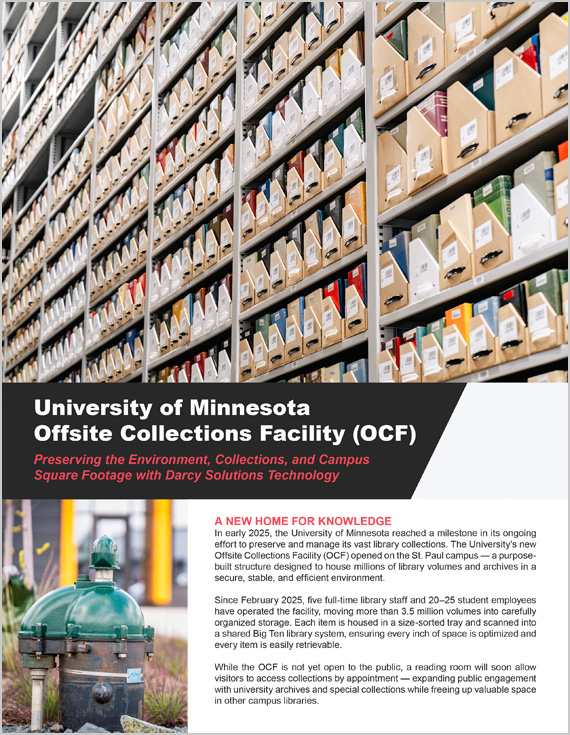
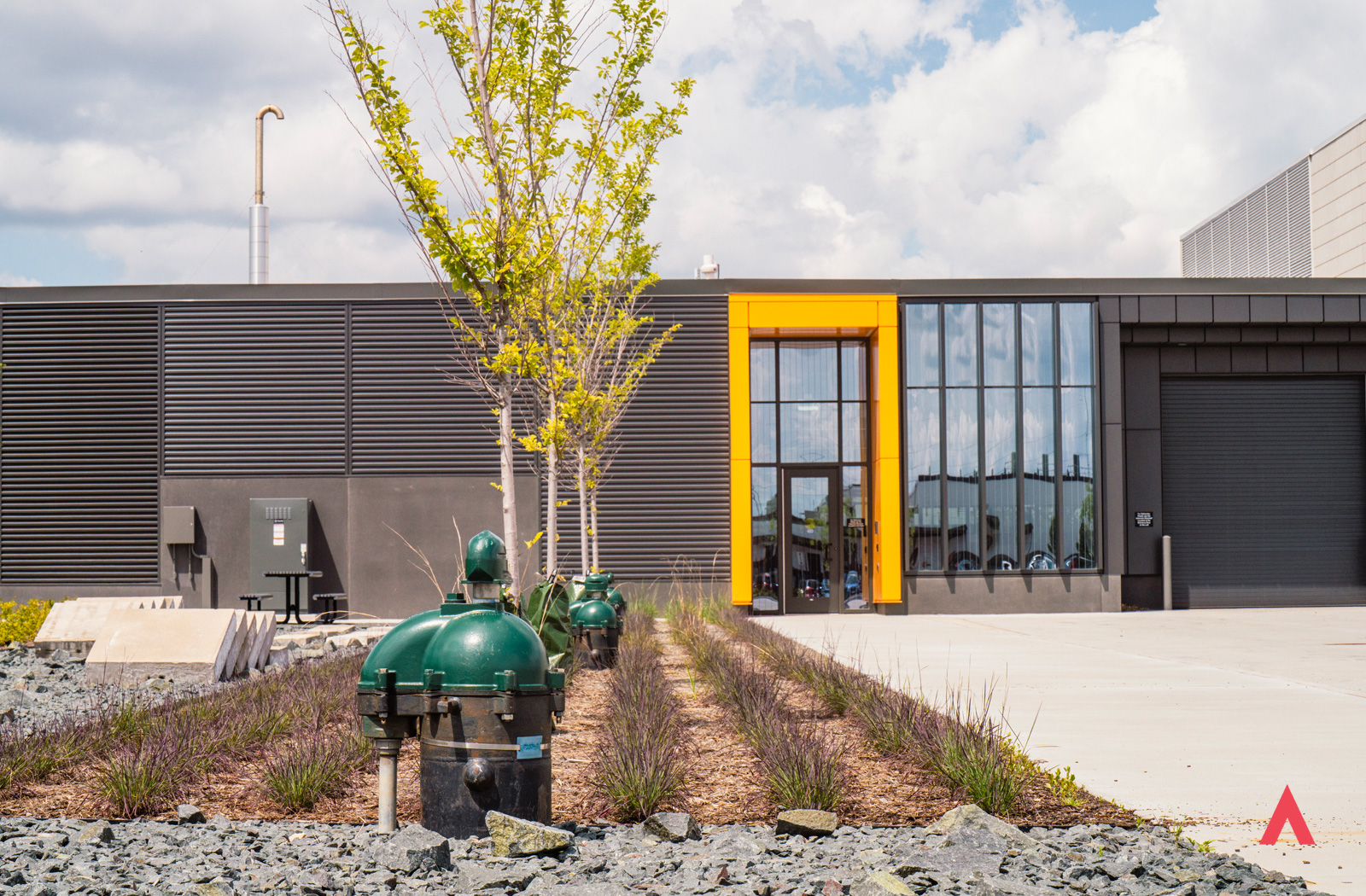
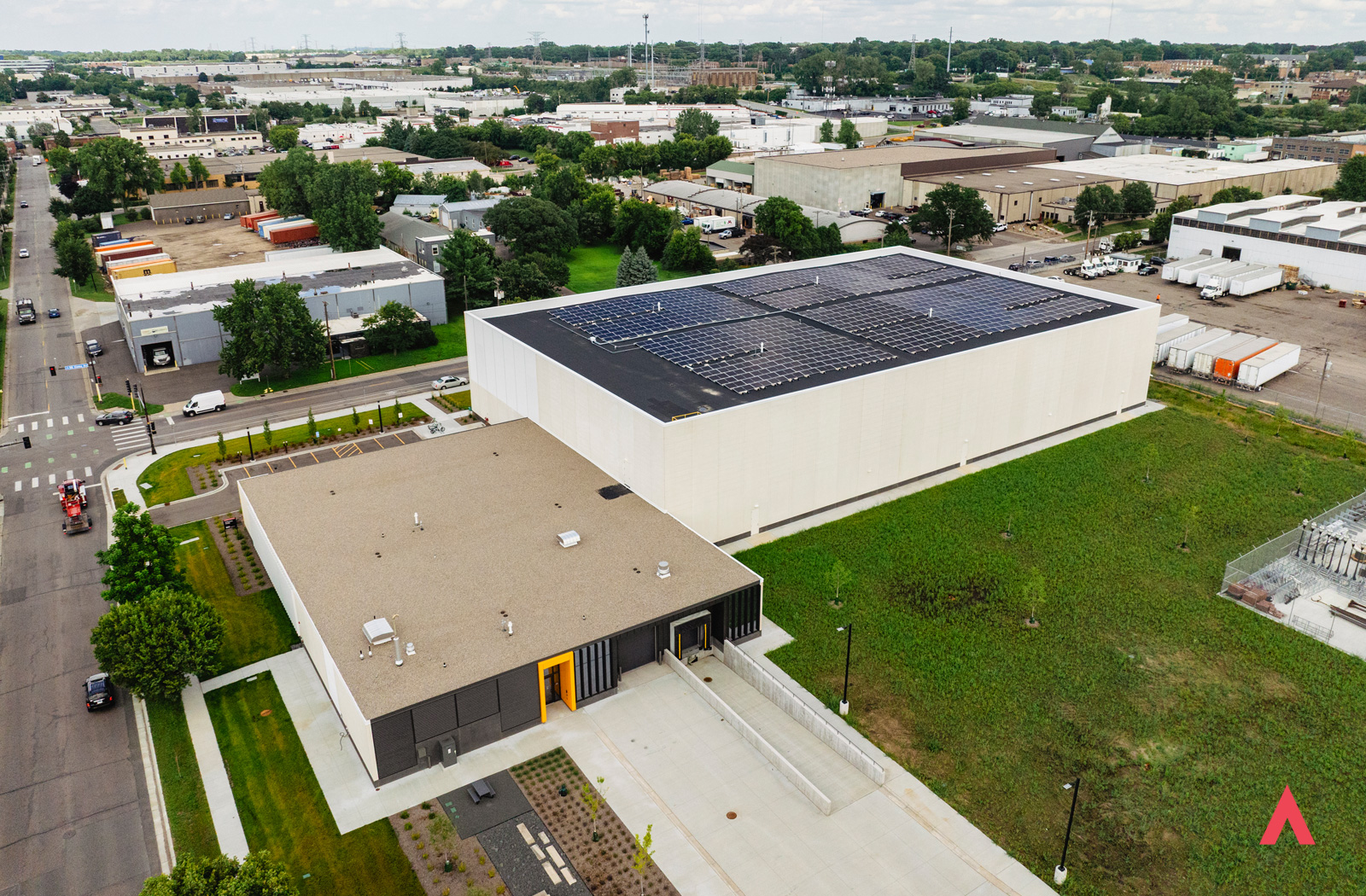
In early 2025, the University of Minnesota opened the Offsite Collections Facility (OCF) on its St. Paul campus, providing a purpose-built structure designed to house millions of library volumes and archives in a secure, stable, and efficient environment. The facility addressed the longstanding challenge of how to preserve and provide access to the university’s vast collections without consuming valuable space in campus libraries.
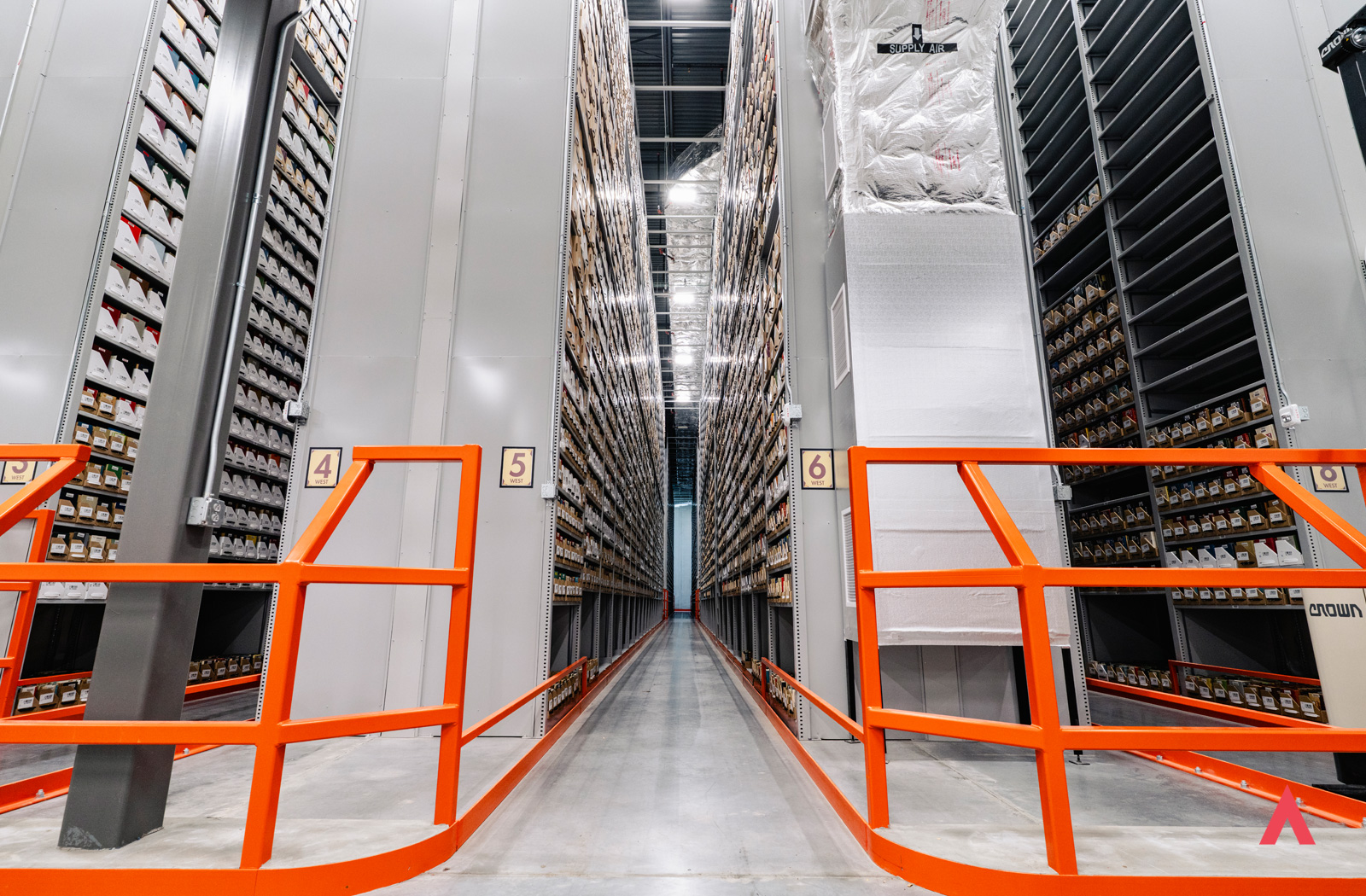
Since February 2025, five full-time library staff and 20–25 student employees have operated the facility, moving more than 3.5 million volumes into carefully organized high-density storage. Each item is housed in a size-sorted tray and scanned into a shared Big Ten library system, ensuring every inch of space is optimized and every item remains retrievable. A reading room is planned to eventually allow visitors to access collections by appointment, expanding public engagement with university archives and special collections.
Sustainability as Standard
Sustainability at the University of Minnesota is not a project-by-project decision. All new buildings follow the Minnesota B3 Guidelines, an adaptation of LEED, ensuring every project meets a consistent standard for environmental performance. According to Shane Stennes, the University’s Chief Sustainability Officer, sustainability is a foregone conclusion, and efficiency is not an afterthought but a design foundation.
The University’s 2023 Climate Action Plan sets a clear path toward decarbonization, including reducing heating and cooling-related carbon emissions by 20% by 2033 and achieving full decarbonization by 2045. These goals are directly embedded in how the university approaches new infrastructure like the OCF.
There is also a deeper connection between this project and Darcy specifically. Darcy’s core groundwater geothermal technology originated from research conducted at the University in the early 2010s by our Chief Science Officer Jimmy Randolph and Chief Geologist Scott Alexander. The OCF is the first University-built project to utilize that technology, representing a full-circle moment from academic research to real-world institutional application.
Why Geothermal?
The design and construction team, led by Trevor Dickie, Scott McCord, and Nicholai Fugate, evaluated a range of systems for heating and cooling, including air-cooled chillers, boilers, and source heat pumps. Two requirements narrowed the field considerably: the OCF’s unique storage environment demanded exceptional temperature stability to protect sensitive collections, and the university’s sustainability mandate required maximum efficiency within a minimal footprint.
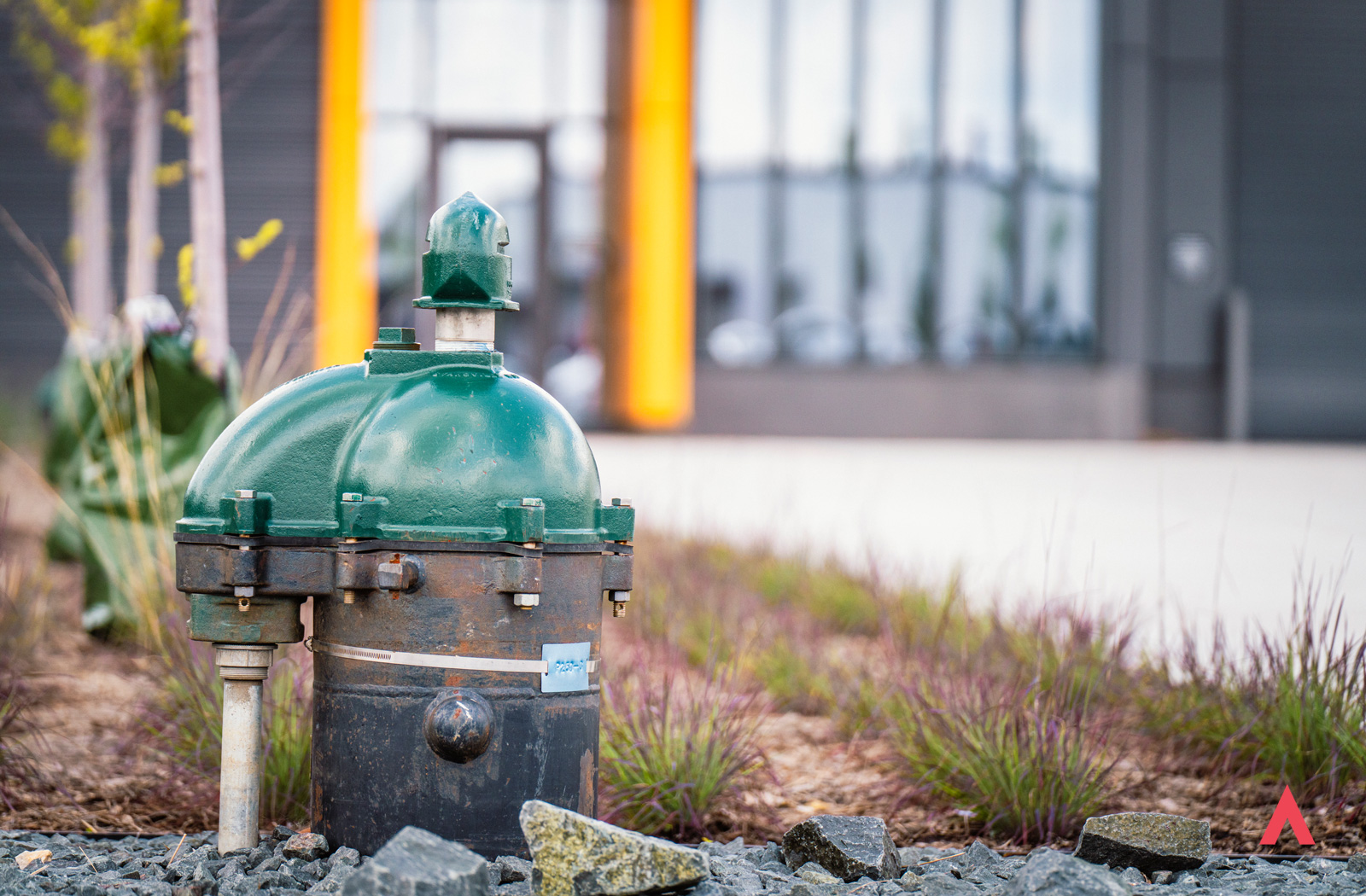
Initial site constraints made geothermal seem like a long shot. Traditional closed-loop systems often require hundreds of borings to achieve the needed capacity. Darcy’s groundwater-enabled approach delivered commensurate capacity with just three 12-inch-diameter wells. The simplified design met capacity requirements and improved energy efficiency, even as the building’s total energy use was set to double with the addition of high-density storage operations.
Dickie described the process as an integrated design journey that balanced innovation, practicality, and long-term value.
Design and Construction
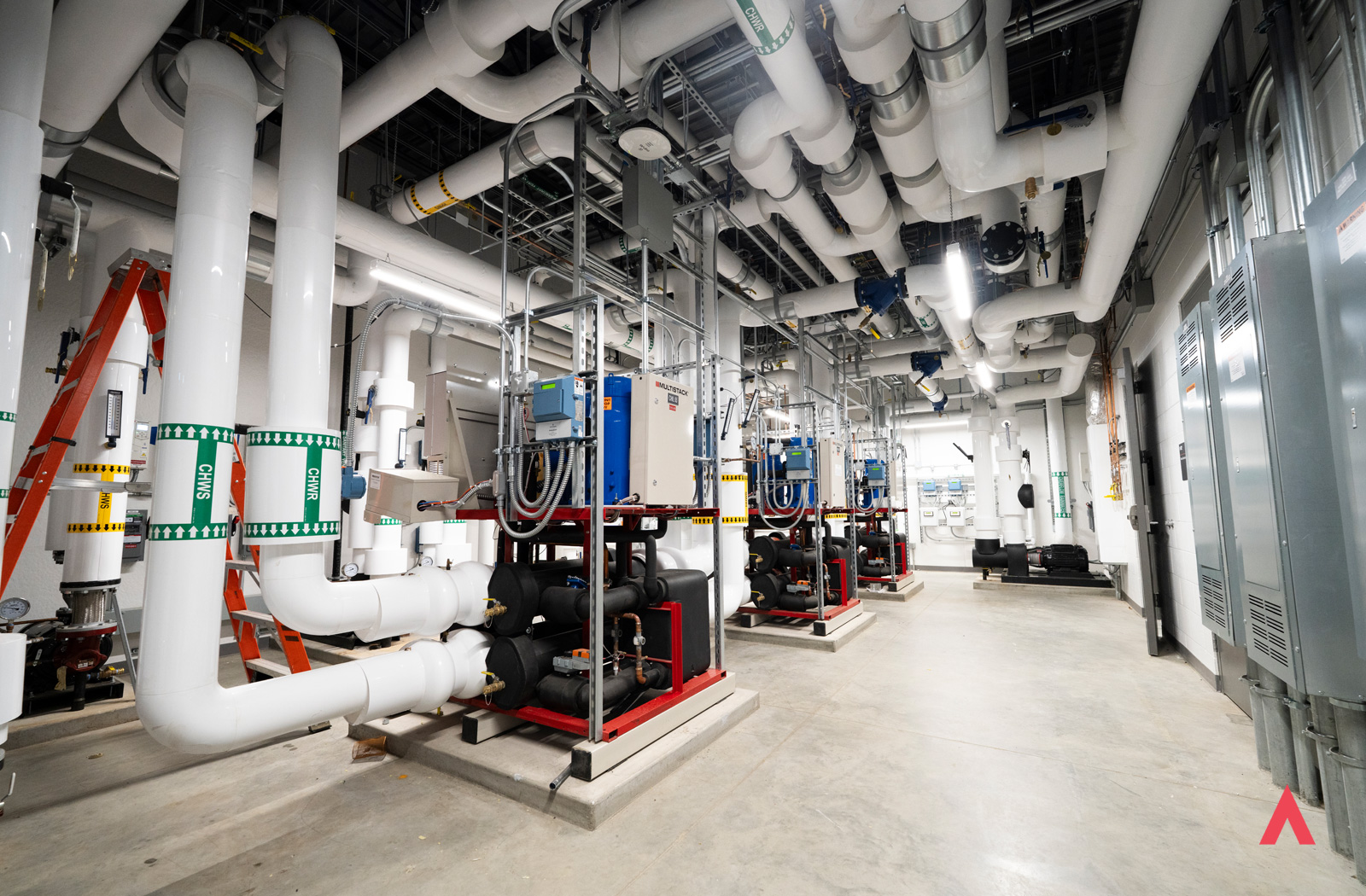
Construction began in April 2023 and wrapped up by February 2025, with geothermal drilling completed in fall 2023. The geothermal system uses a four-part water circuit with variable speed control, ensuring optimal temperature regulation across the facility’s demanding storage environment. By integrating geothermal energy with efficient building envelopes and low-temperature hot-water loops, the project team achieved both reliability and performance within a smaller mechanical plant footprint.
For the University, the OCF was an opportunity to test, measure, and refine sustainable design practices at scale. From mechanical engineering to library operations, collaboration across disciplines was central to the project’s success.
“You have to figure out how you can use less, then find efficient systems that can do the job,” said Dickie. Long-term lifecycle savings ultimately made geothermal the compelling choice. “The dollar always wins, but when you start to see and quantify the savings, it changes how you think.”
Looking Ahead
The University of Minnesota views the OCF geothermal installation as a pilot for future opportunities. Geothermal is now firmly part of the University’s toolbox for sustainable infrastructure, with each new project evaluated on its own site conditions, financial case, and operational needs. The success of the OCF demonstrates that groundwater geothermal can perform even where space is limited and demands are high.
As the facility continues to fill with history of the university’s collections, the geothermal system quietly ensures that knowledge is preserved efficiently and responsibly for generations to come.