Building History and Use
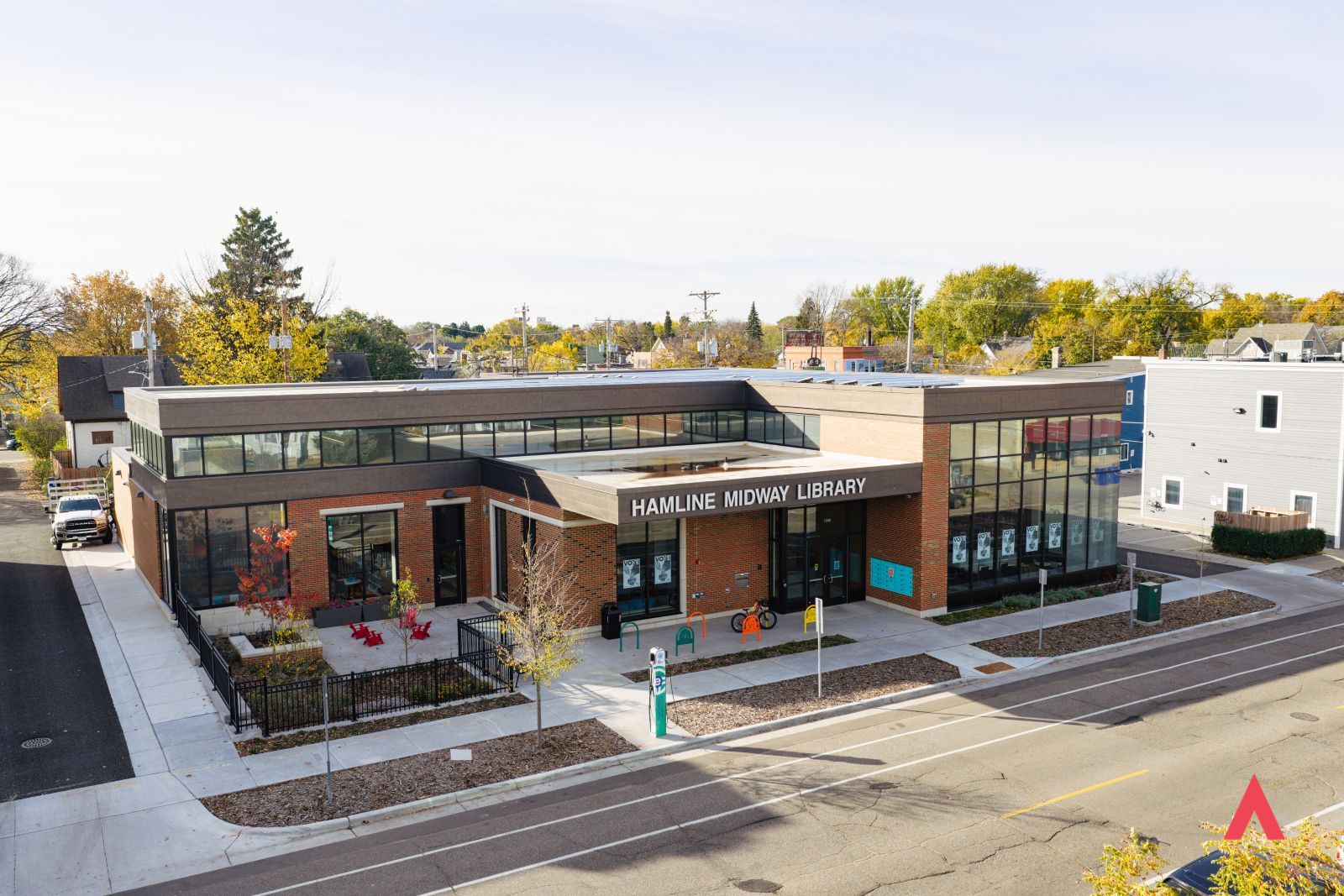
Neighbors in Hamline Midway have shaped this library for more than a century. They began advocating for a branch library in 1907, and in 1922 they donated funds to buy the lots at 1558 West Minnehaha Avenue and deeded them to the City of Saint Paul. The original Henry Hale Memorial Library opened on that site in 1930 and served the neighborhood for generations.
After more than 90 years, Saint Paul Public Library set out to replace the aging building as part of its Transforming Libraries initiative. SPPL worked with LSE Architects on an equity-centered community engagement process, and the final design reflects what neighbors asked for. The City of Saint Paul supported the roughly $10.6 million project through its capital improvement budget, among other sources.
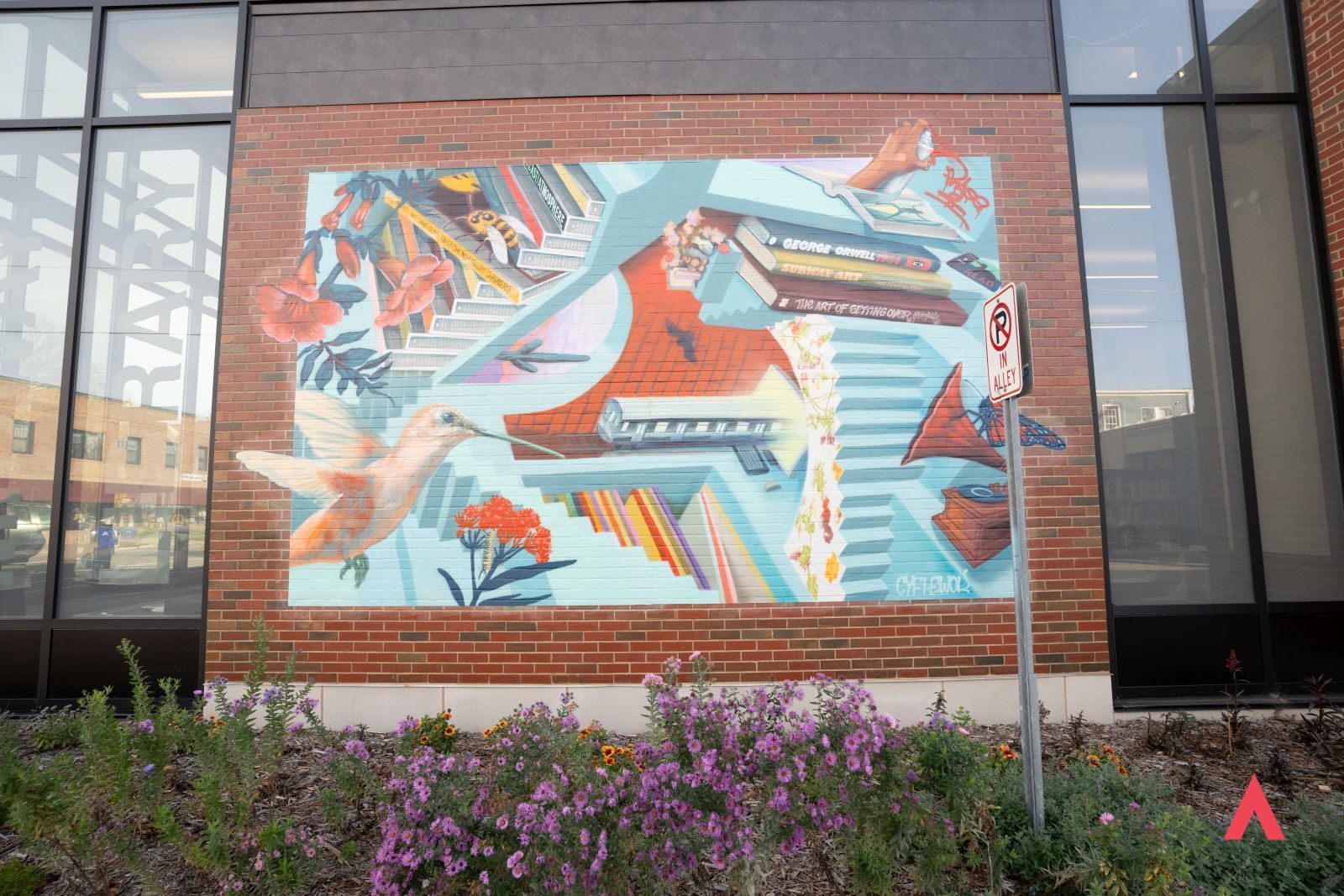
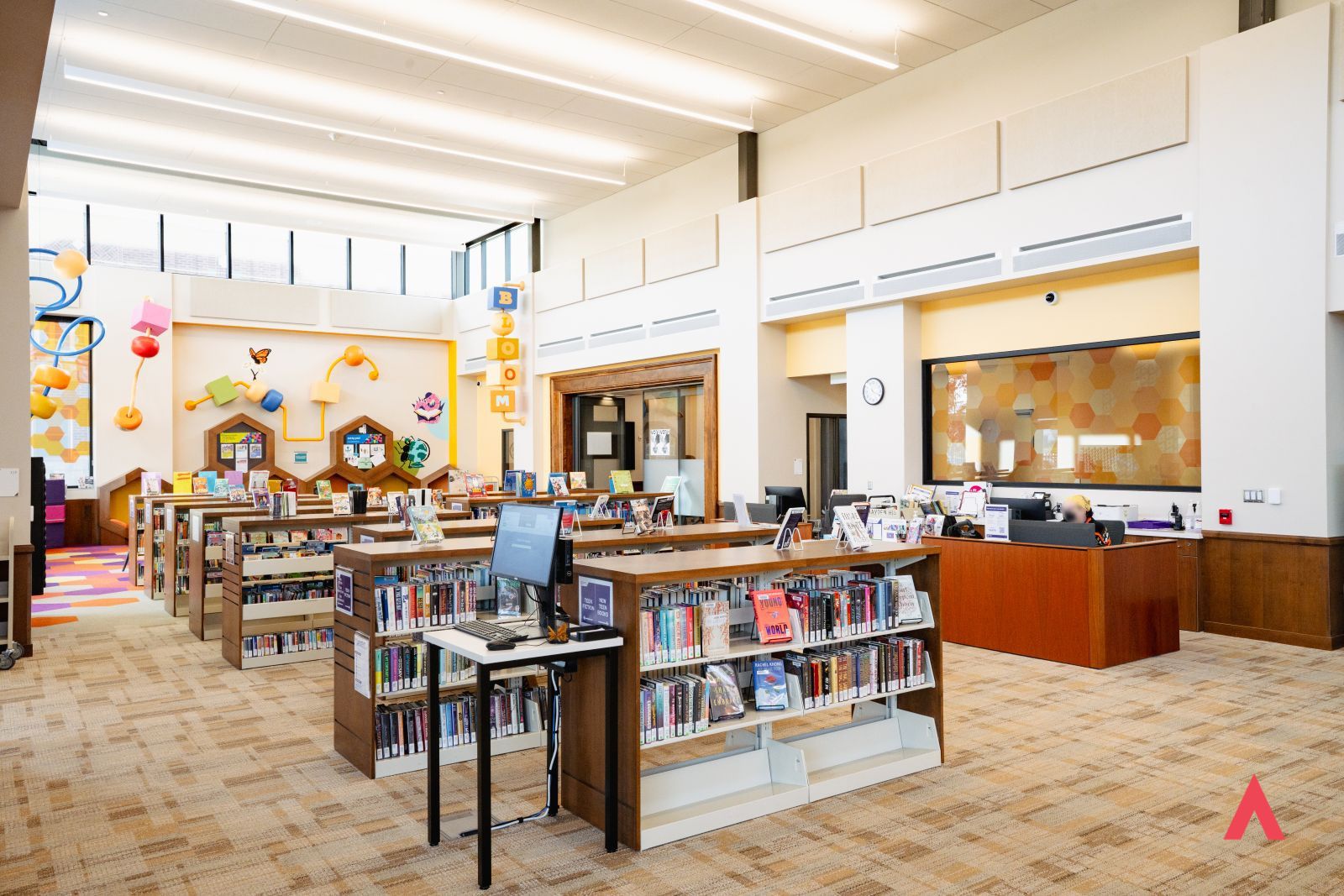
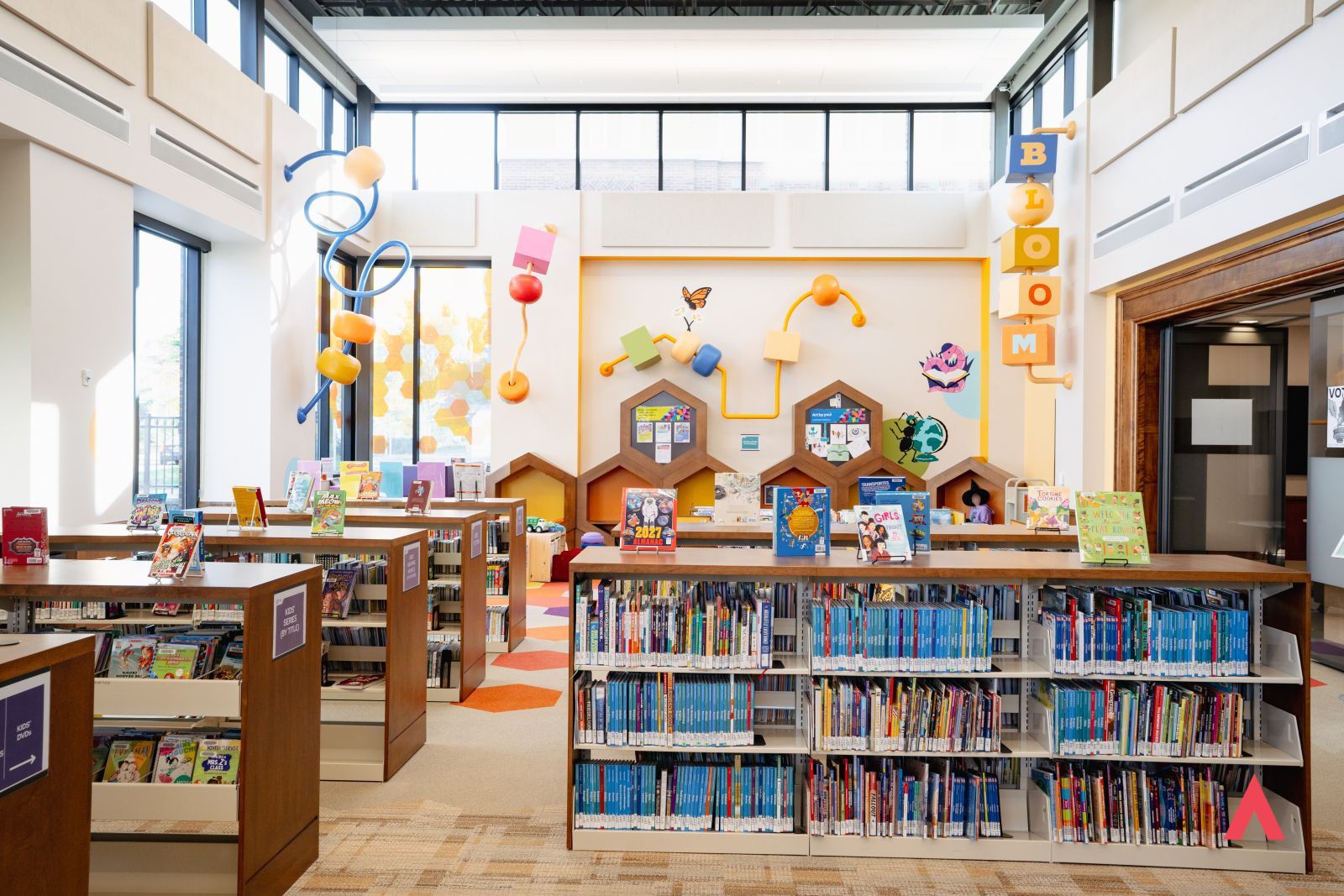
The new library is a one-story building of 10,000+ square feet, with low shelving and accessible features throughout. It includes spaces for independent and group study, reading, and play, an outdoor reading garden, a dedicated teen area, two community rooms, reservable study rooms, and a wellness room. Original artwork by local artists reflects the many cultures and stories of the neighborhood, and the stone-arch entryway and cornerstone from the 1930 building were preserved in the new structure. SPPL Director Maureen Hartman said the building was “shaped by community input and feedback,” and it opened to the public on July 18, 2026, after the neighborhood spent about three years without a library.
Why Geothermal?
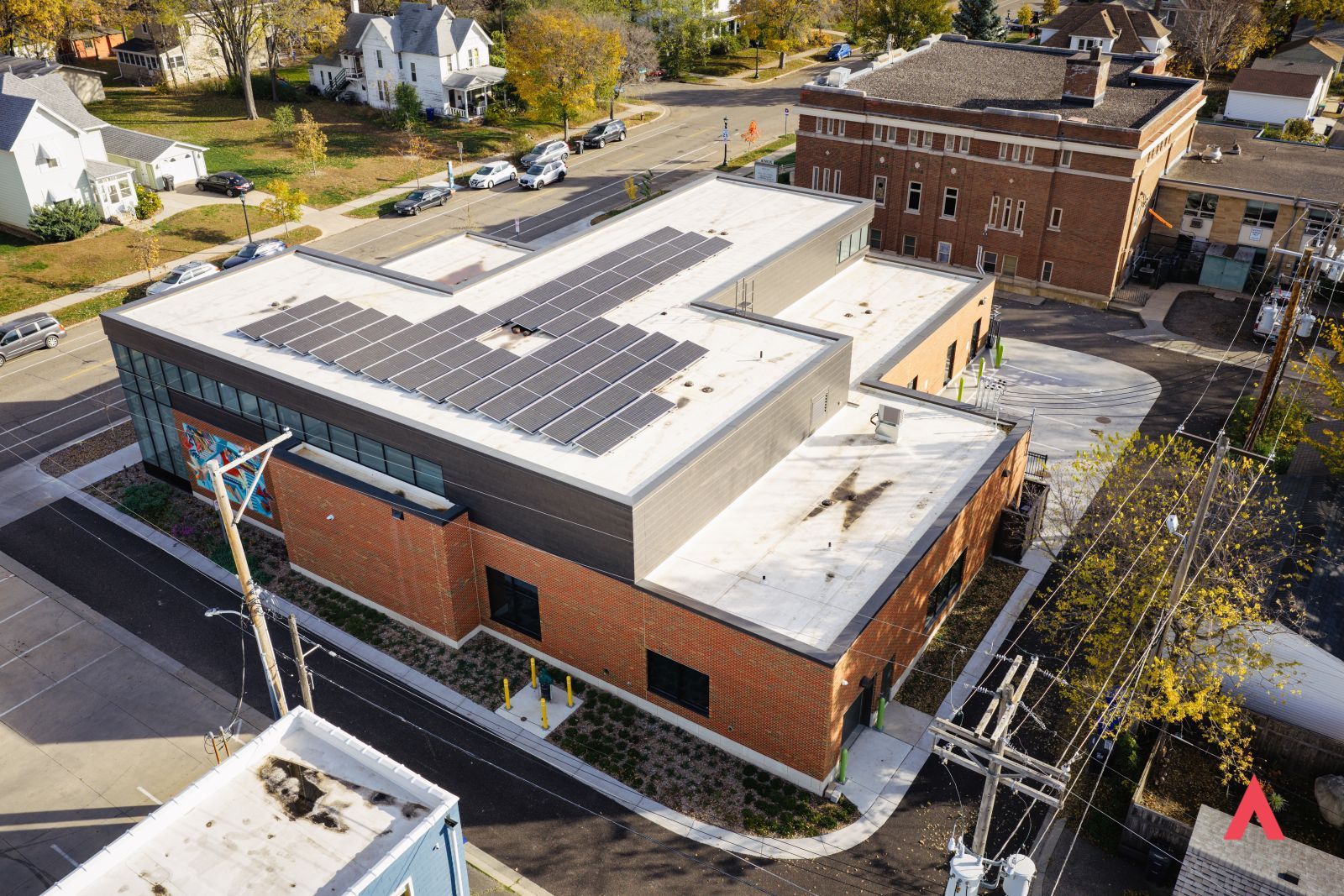
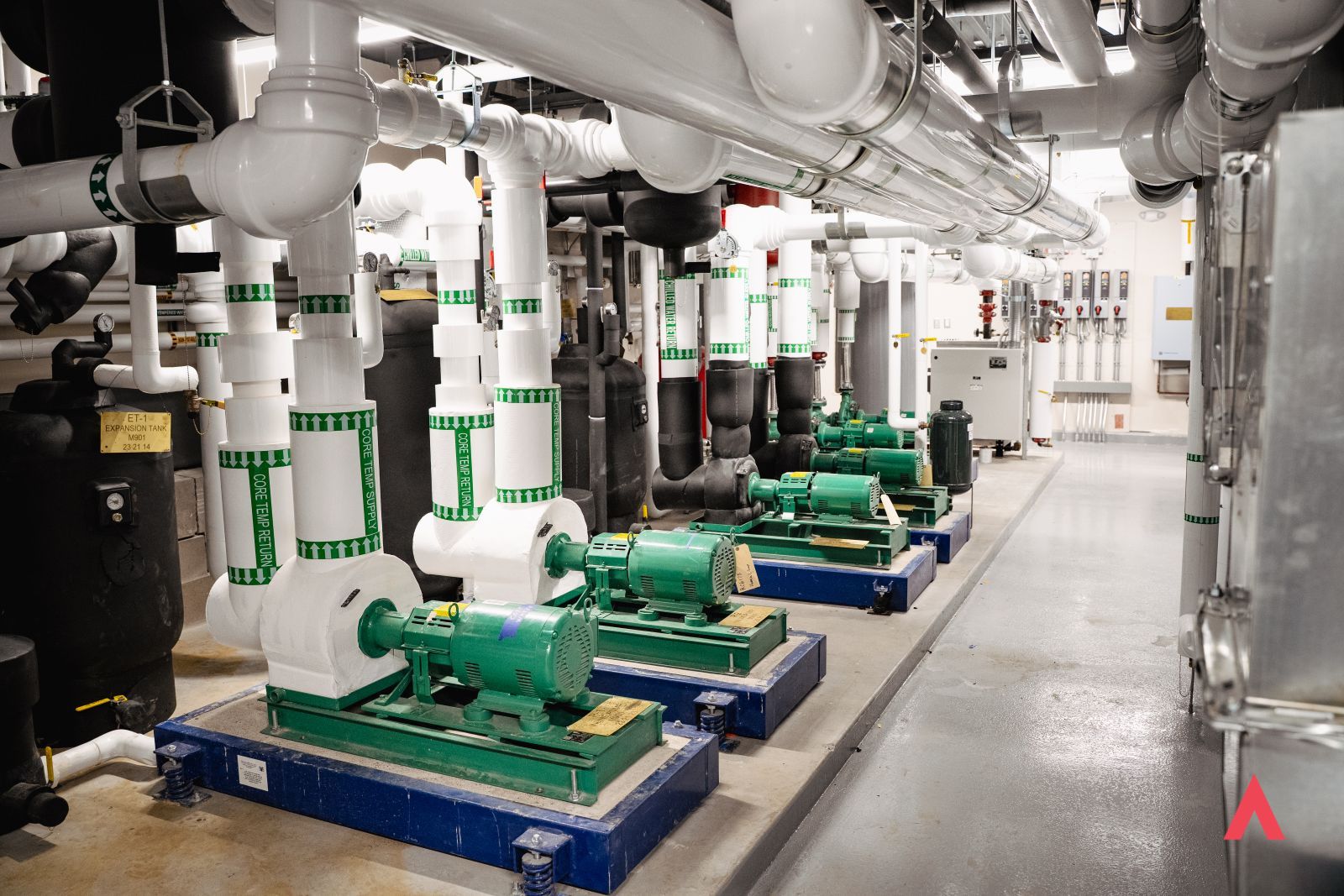
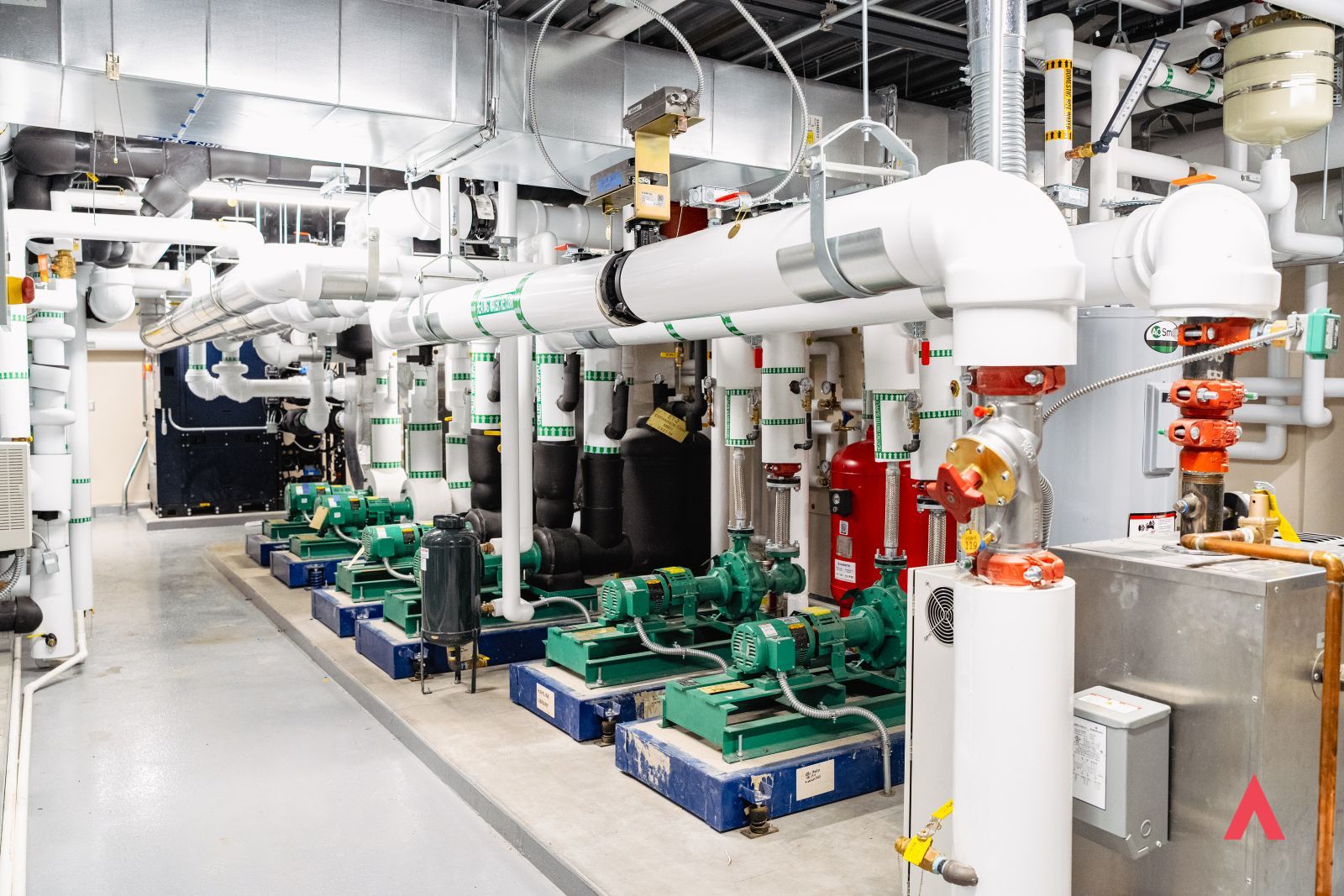
Saint Paul Public Library designed the new Hamline Midway Library as an all-electric building. Its high-performance mechanical systems include a geothermal well and heat pump, paired with rooftop solar panels that are expected to produce about 39,000 kWh per year. That is roughly half the electricity the building needs, saving the City approximately $5,000 a year in utility costs.
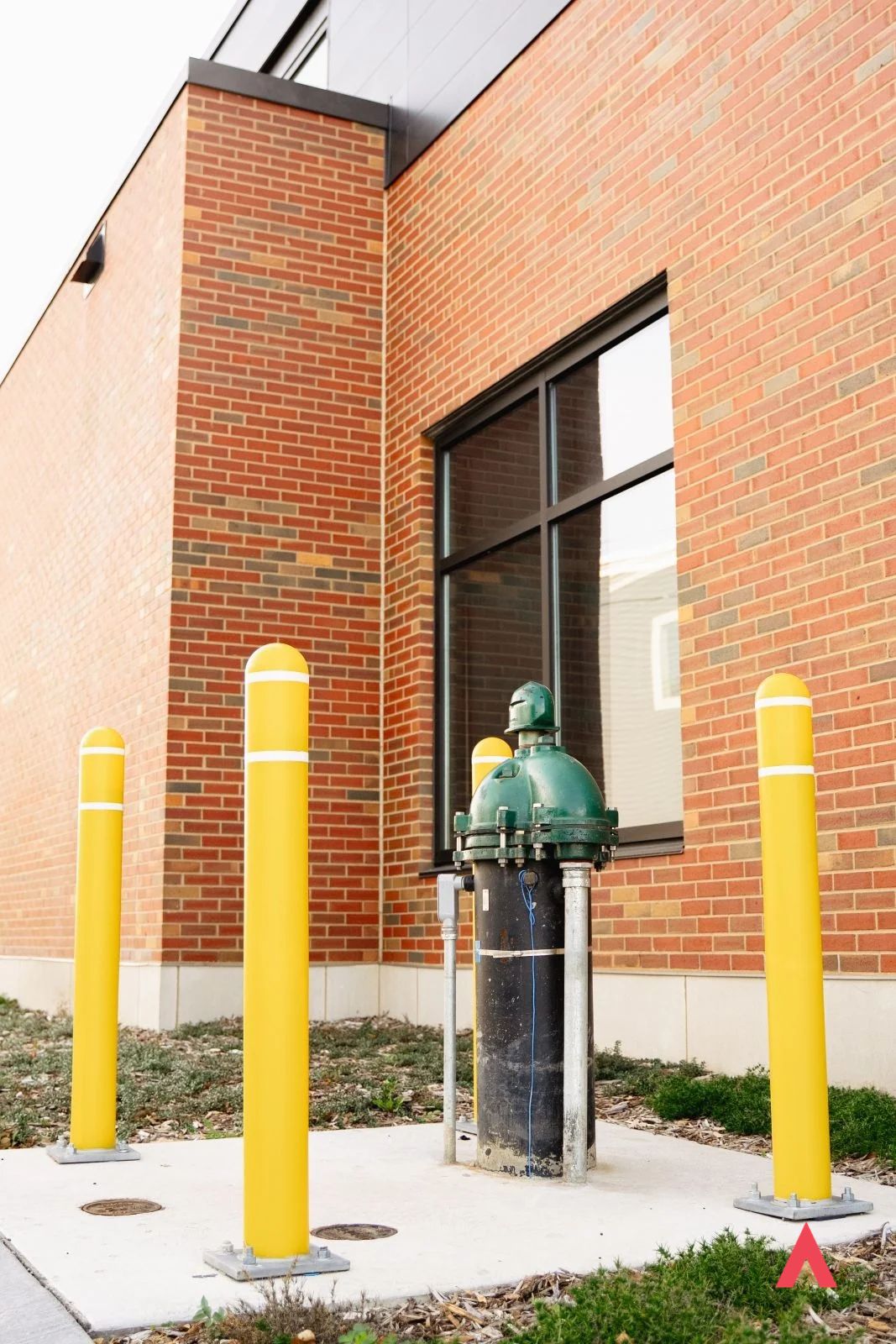
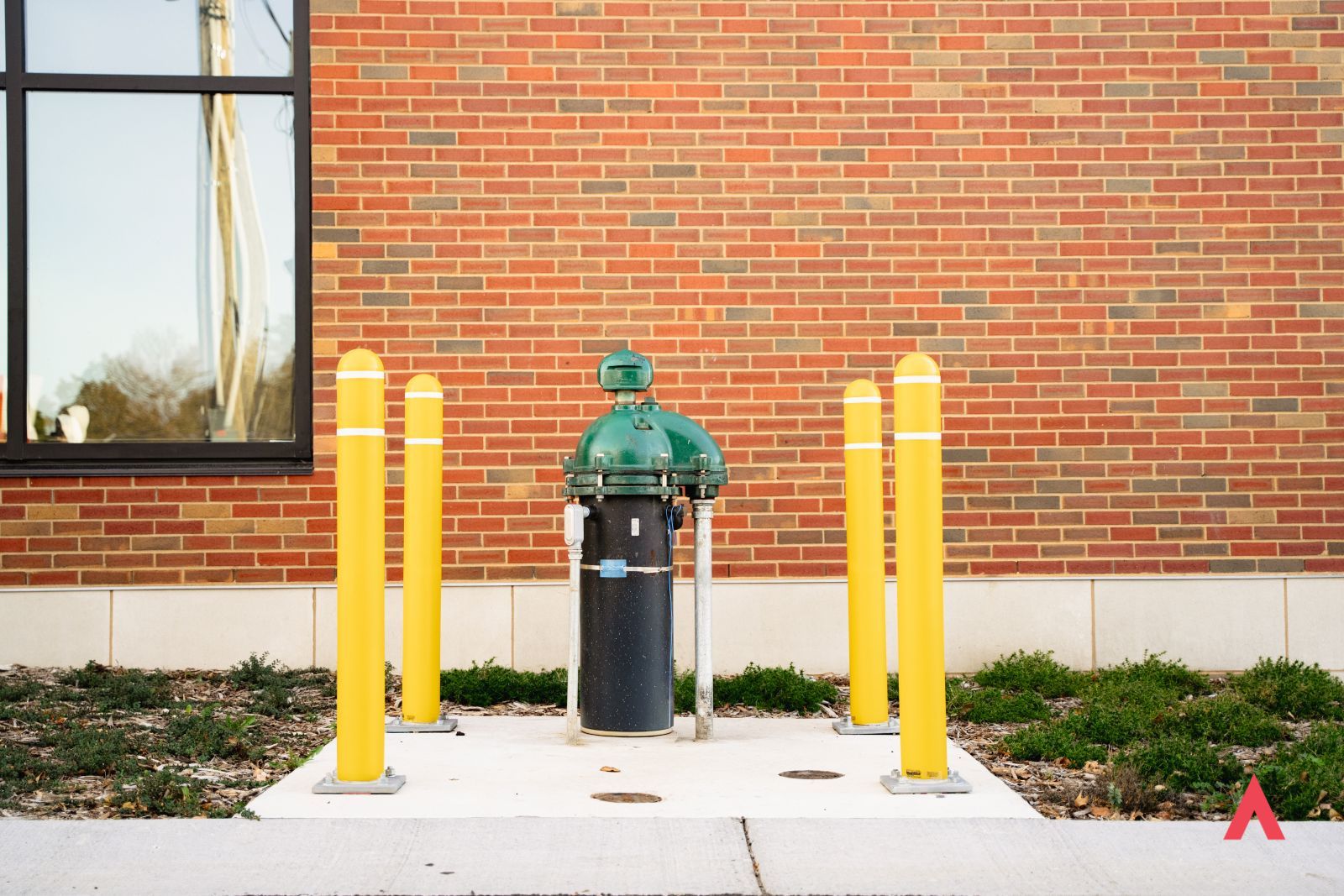
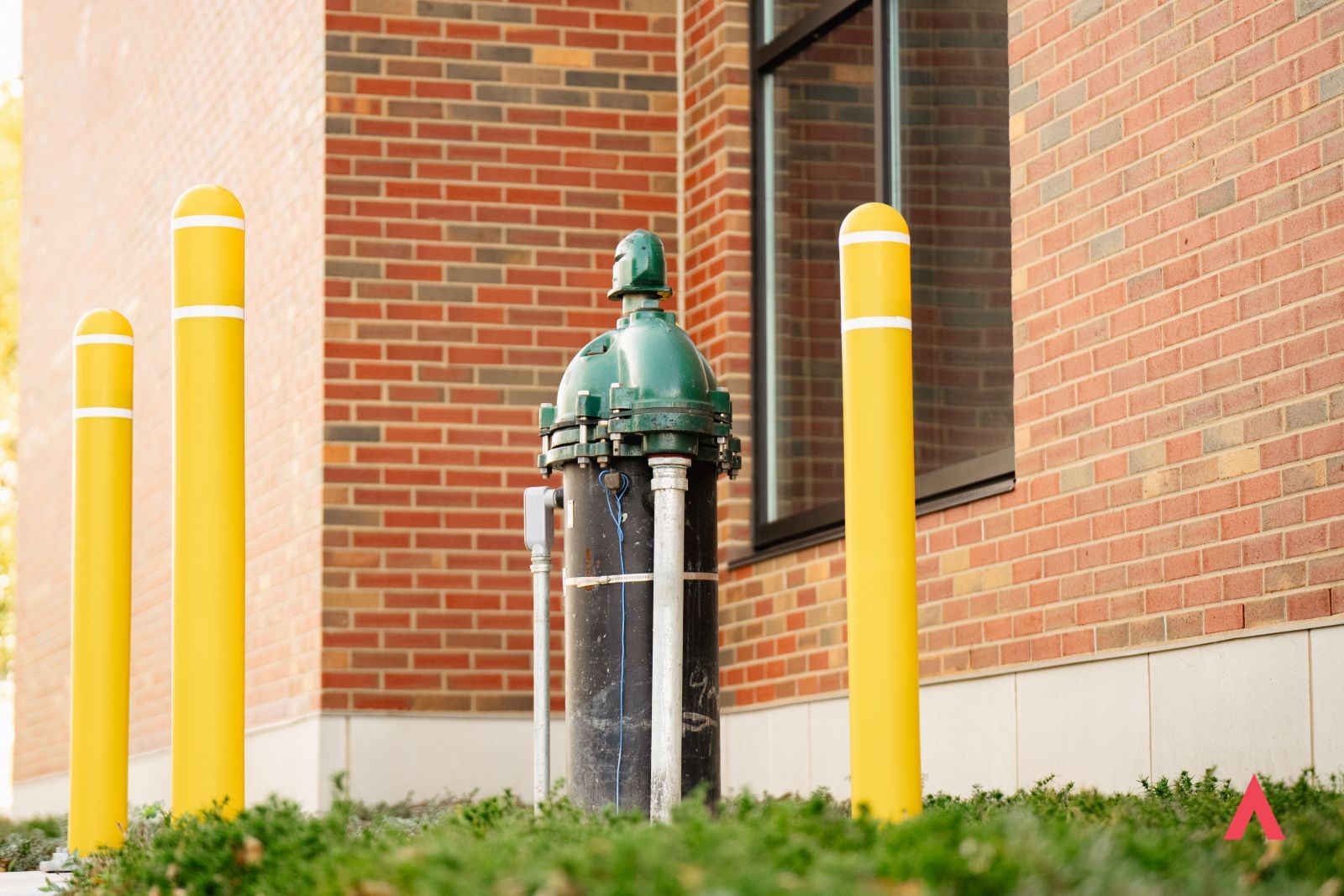
For a public building that serves a neighborhood every day of the week, geothermal gives the library steady, efficient heating and cooling without burning fuel on site. Darcy’s groundwater system also fits the site. The library sits on about one-third of an acre, and a conventional borefield sized for a building of this scale would have required far more land than the lot offered. A single Darcy well delivers 321 MBH heating and 63 tons of cooling, so the building gets its full thermal capacity from a footprint that leaves the site’s reading garden, entry, and public spaces intact.
Design and Construction
LSE Architects designed the library, and Stahl Construction built it for the City of Saint Paul. Construction began in late 2024, following the demolition of the earlier building. Darcy’s well was drilled during the early phases of work, and drilling was complete in 2025 while the footings and foundation were finished and steel framing began.
Because the geothermal system serves a single compact building on a small urban lot, coordinating the well with site grading, utilities, and the new foundation was a central part of the early construction sequence. The project team continued to refine the design as work progressed, adding an additional calm room along the way. The library opened to the public on July 18, 2026, with a community celebration that drew neighbors, local leaders, and library supporters.
A Library Built for the Next Century
Hamline Midway has relied on its library since 1930, and the new building is designed to serve the neighborhood for generations to come. Geothermal heating and cooling, rooftop solar, and an all-electric design give the library lower operating costs and a smaller environmental footprint, so more of its resources go toward the books, programs, and public spaces neighbors use.
The project joins other public library and city facility projects in the Darcy portfolio, including the Milwaukee Public Library Martin Luther King Branch and Como Park Zoo and Conservatory, another City of Saint Paul facility.