
As municipalities and government agencies across the country modernize critical infrastructure, resilience has become just as important as efficiency. Public safety buildings, emergency operations centers, 911 dispatch facilities, and law enforcement headquarters must remain operational during severe weather events, utility disruptions, equipment failures, and periods of peak energy demand. Increasingly, geothermal heating and cooling systems are emerging as a reliable solution to help these mission-critical facilities stay online when communities need them most.
Unlike conventional HVAC systems that rely heavily on fluctuating outdoor air temperatures, geothermal systems use the stable temperatures below the earth’s surface to provide highly efficient heating and cooling year-round. Because underground temperatures remain relatively constant regardless of outdoor conditions, geothermal systems can continue operating efficiently during extreme cold, heat waves, winter storms, and other severe weather events that place additional strain on traditional HVAC equipment and the electrical grid.
Geothermal systems also improve resiliency through system design. By reducing dependence on fossil fuels and minimizing exposure to fuel supply interruptions and energy price volatility, geothermal infrastructure helps facilities maintain reliable operation during emergencies. Many geothermal systems also contain fewer moving mechanical components than conventional systems, which can reduce maintenance requirements and the risk of equipment failure over time. In critical facilities such as emergency operations centers and public safety headquarters, this added reliability can play an important role in maintaining uninterrupted service.
For public sector organizations focused on preparedness and long-term operational stability, geothermal systems provide both resilience and efficiency benefits. Lower energy consumption can help municipalities reduce operating costs while supporting sustainability goals and reducing greenhouse gas emissions. Geothermal systems can also integrate effectively with backup power systems, helping facilities maintain climate control during power outages or grid instability As climate challenges and infrastructure demands continue to evolve, resilient building systems are becoming a growing priority for municipalities nationwide. Emergency response agencies, dispatch centers, and public safety departments cannot afford downtime caused by heating or cooling failures. Geothermal technology offers a proven, long-term solution that supports uninterrupted operations while delivering sustainability and cost-saving benefits.
Our Darcy Solutions Geothermal Systems have helped support resilient geothermal infrastructure for several mission-critical government and municipal facilities, including:
Is resiliency a priority for a project you are working on — whether it is a new facility or an existing infrastructure system update? Get a free geological site assessment here.
At Darcy Solutions, sustainability extends beyond the systems we design. This spring, our team stayed active across the country—sharing geothermal expertise at industry events, supporting educational initiatives, celebrating Earth Day, and volunteering in our local community. As we head into summer, we’re reflecting on a season filled with collaboration, innovation, and impact.
April marks both Earth Day and International Geothermal Month, making it one of the most meaningful times of year for the Darcy team.
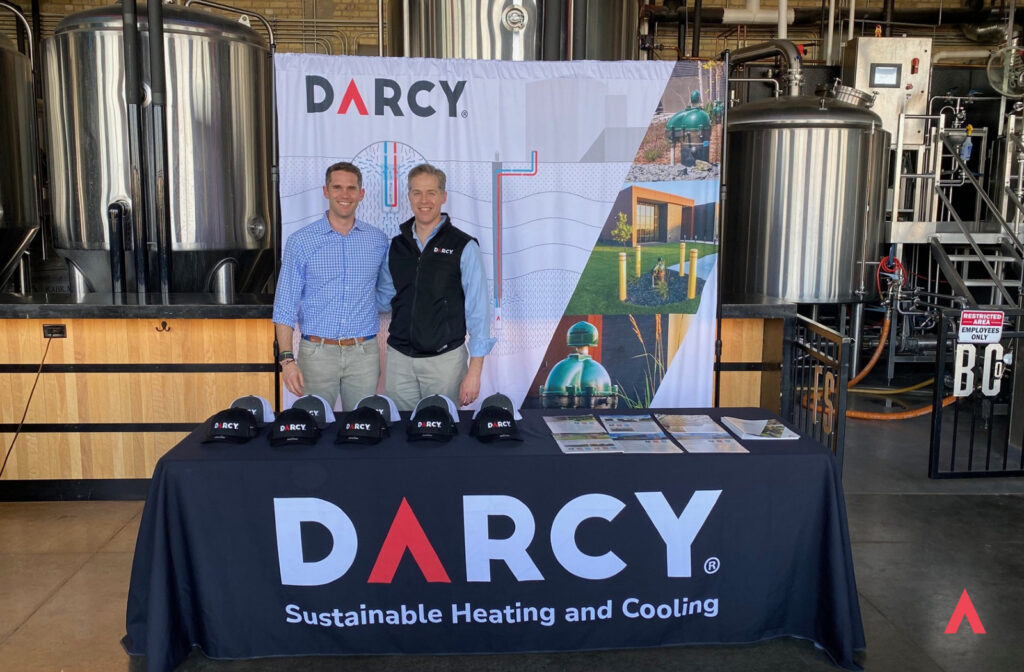
On April 22, 2026, Darcy Solutions participated in the Mortenson Properties Earth Day Celebration at Forgotten Star Brewing Company in Fridley, Minnesota. The event brought together organizations advancing sustainable technologies and environmental stewardship, highlighting solutions ranging from geothermal heating and cooling to solar energy innovations.
Events like these create valuable opportunities to connect with property owners, sustainability advocates, and community leaders working toward a more energy-efficient future.
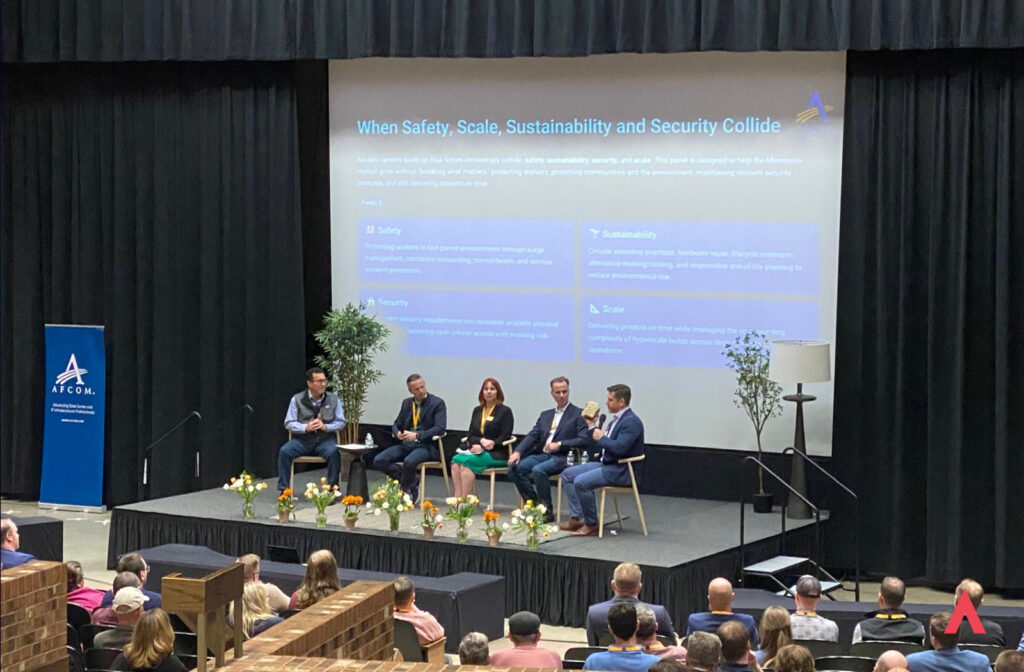
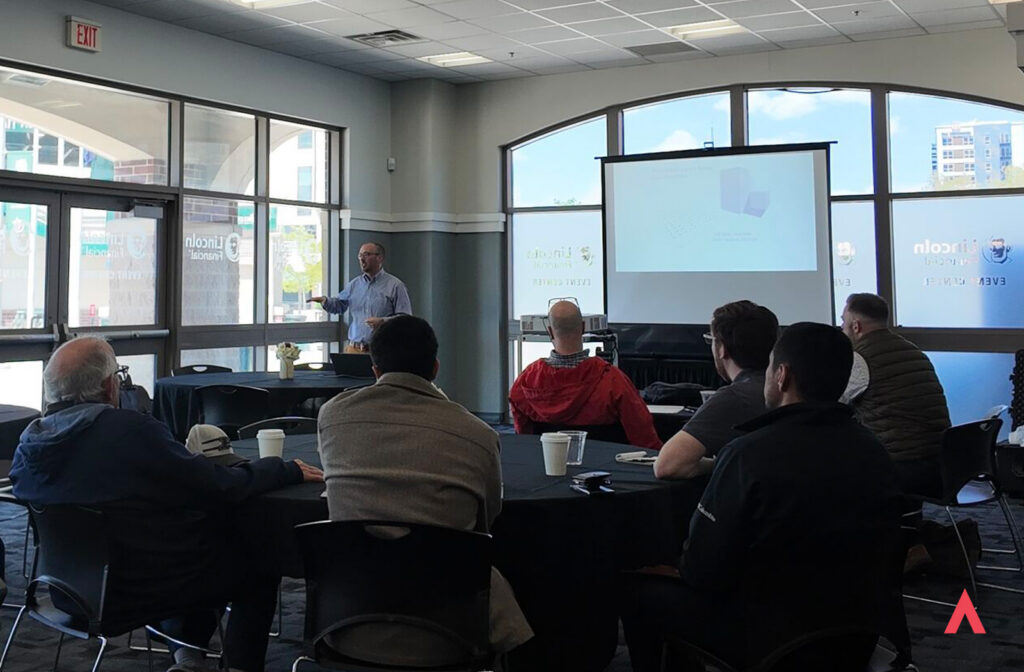
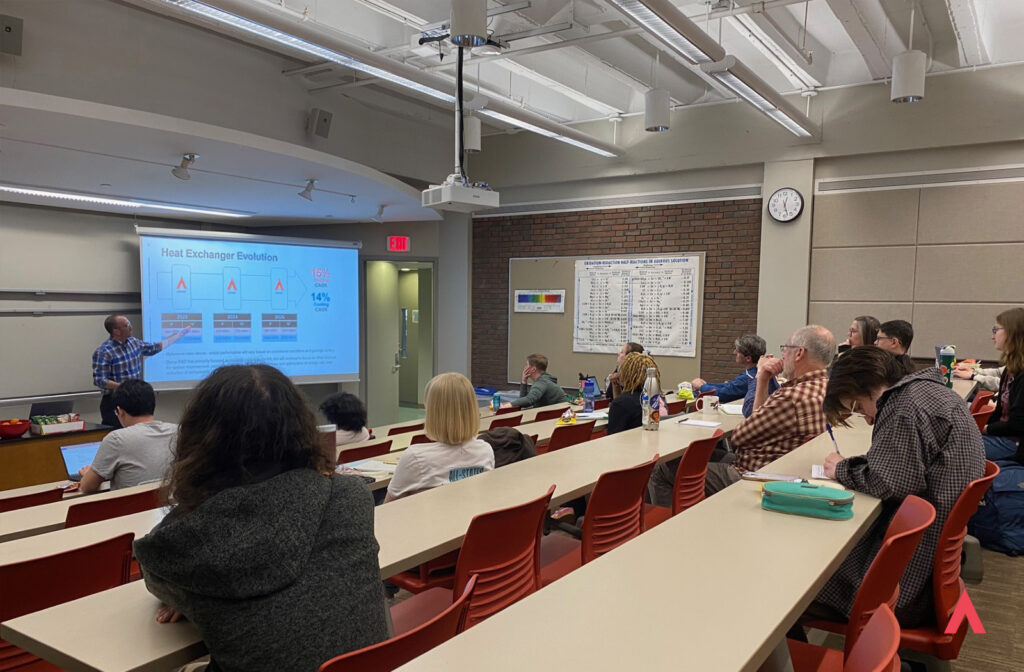
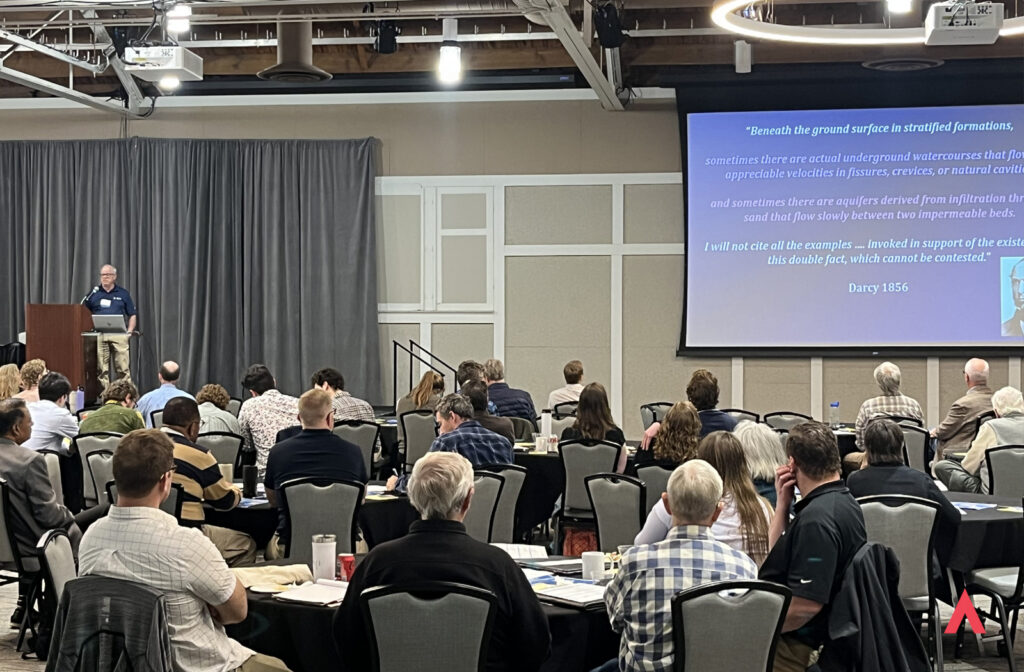
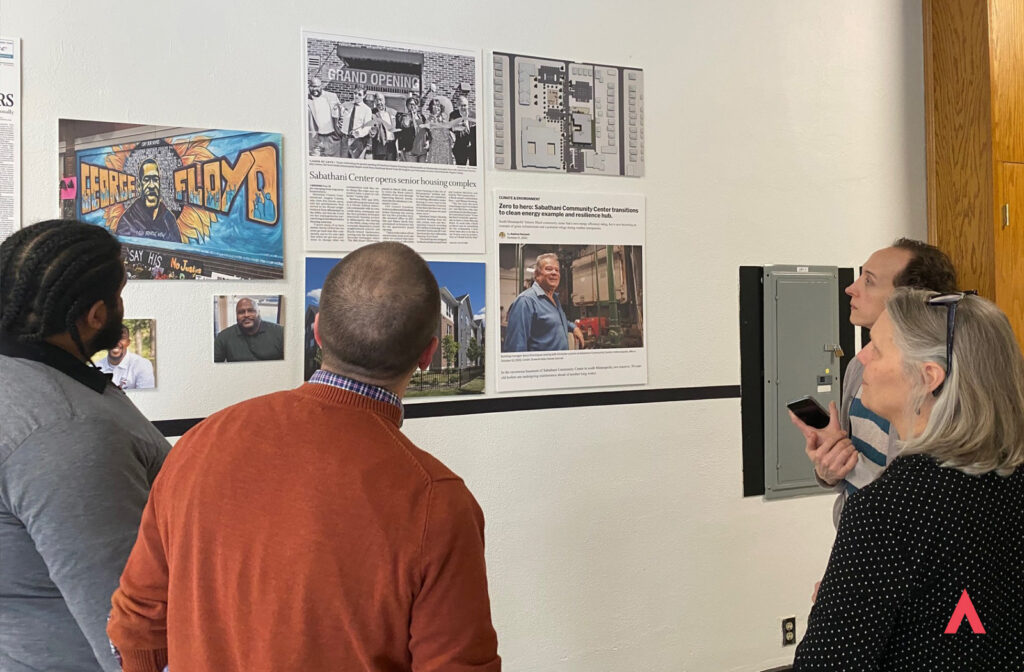
Throughout Spring 2026, Darcy Solutions continued its commitment to industry education and collaboration through conferences, panel discussions, and regional events nationwide.
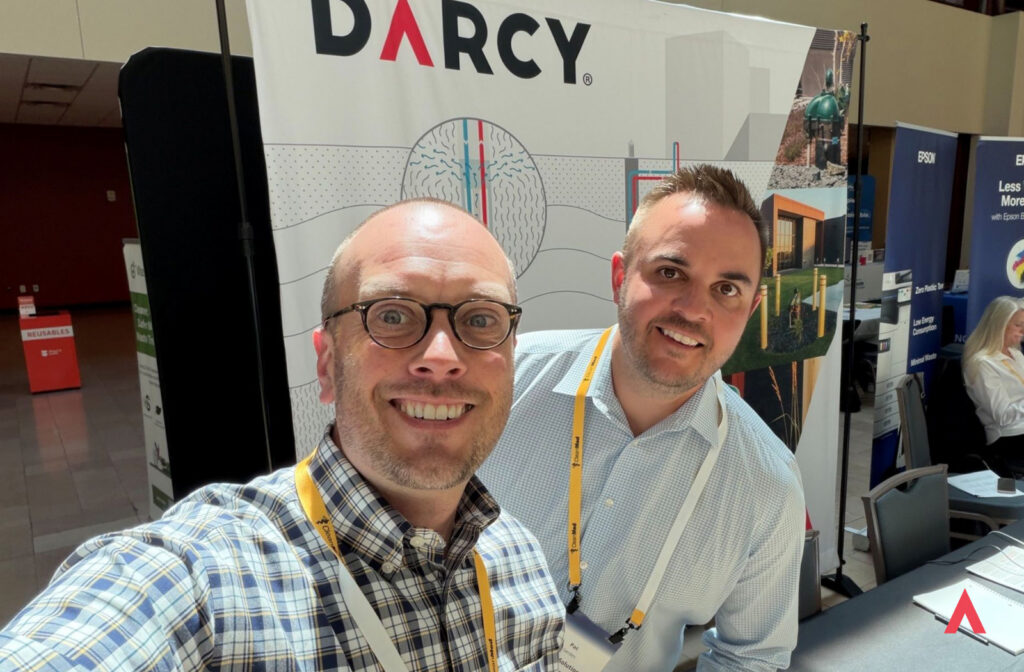
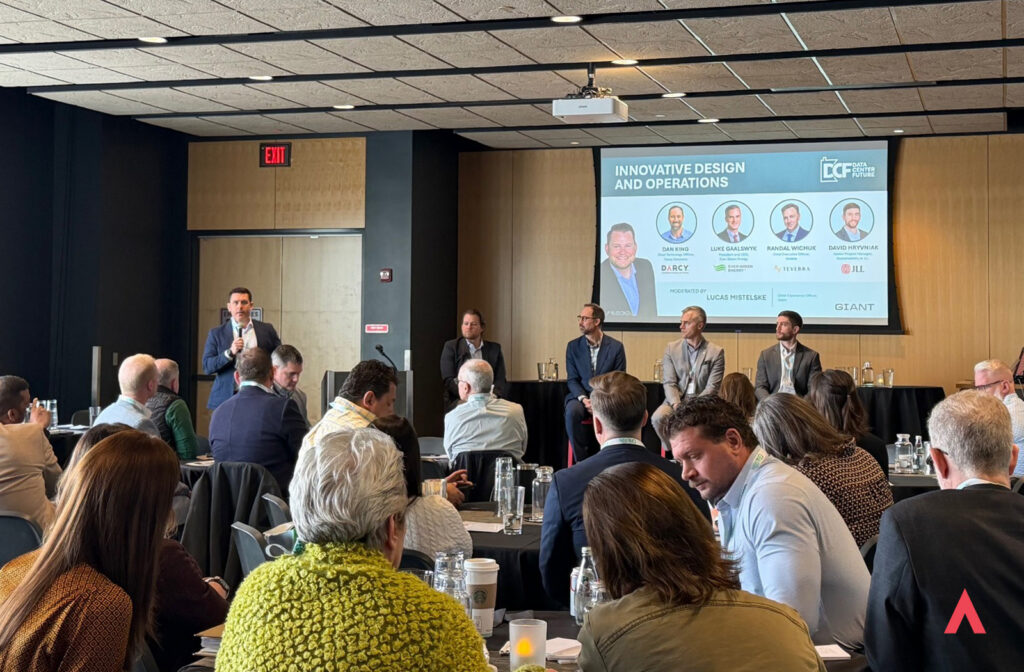
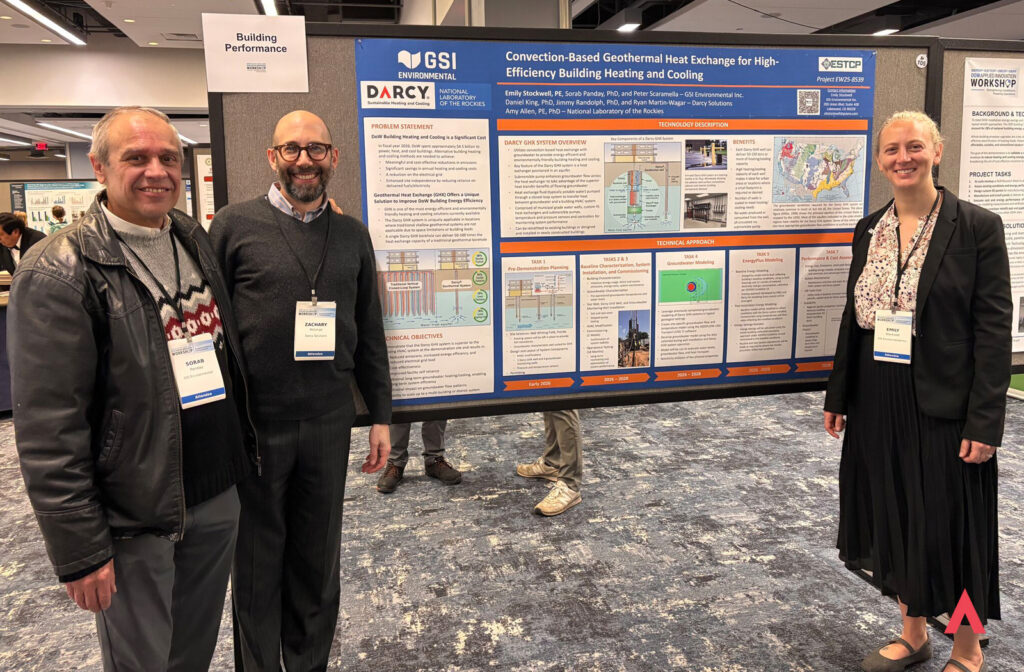
Our team participated in major industry gatherings including: NY-GEO, IGSHPA, MGWA Spring Conference, NASEO Midwest Regional Meeting, Geothermal Rising Capitol Hill Day, AFCOM MN’s Data Center State of the Union, Tribal Energy Evolution Summit, CleanMed, and USGBC Adapt Denver.
These events allowed our technical and leadership teams to engage directly with sustainability professionals, policymakers, engineers, utilities, and building owners seeking scalable geothermal solutions. Discussions ranged from geology and infrastructure innovation to geothermal policy, data center sustainability, and decarbonization strategies.
In addition to conferences and trade shows, Darcy representatives continued supporting educational opportunities with universities, regional organizations, and industry partners across the United States.
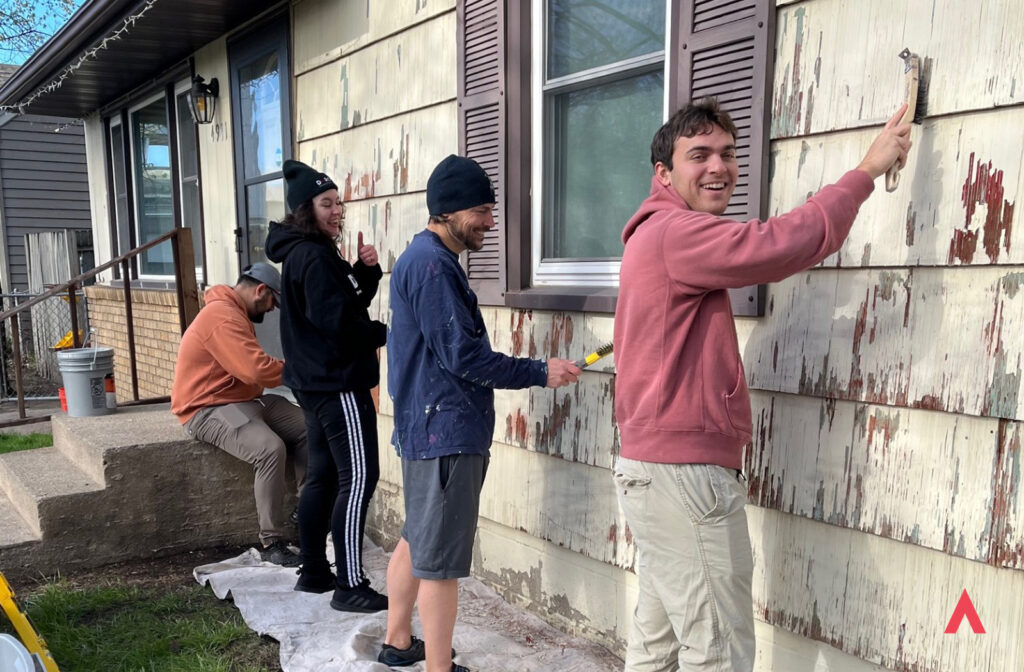
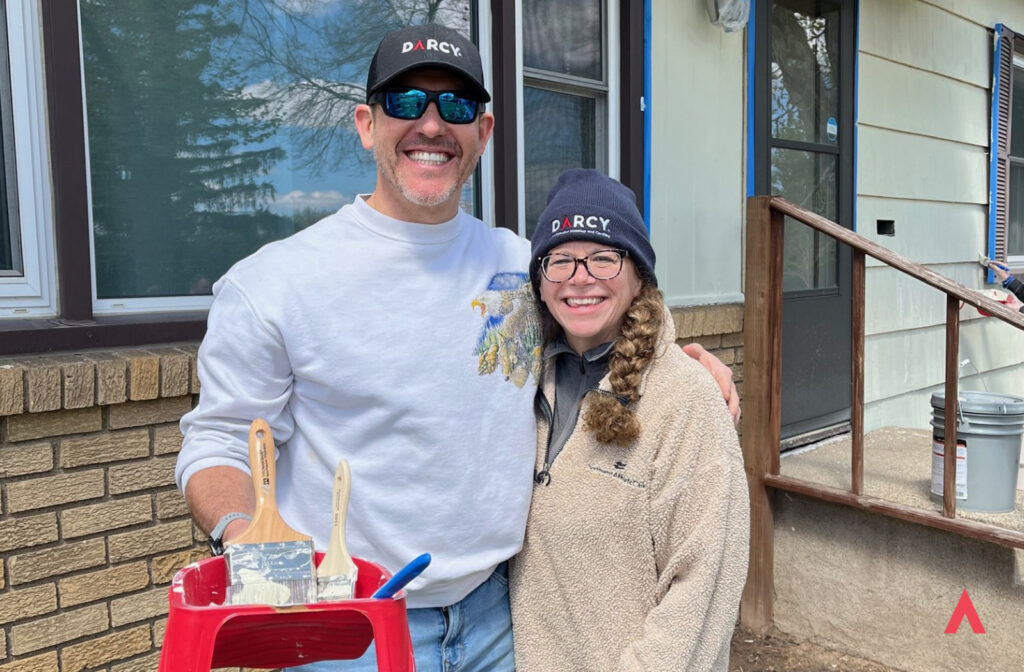
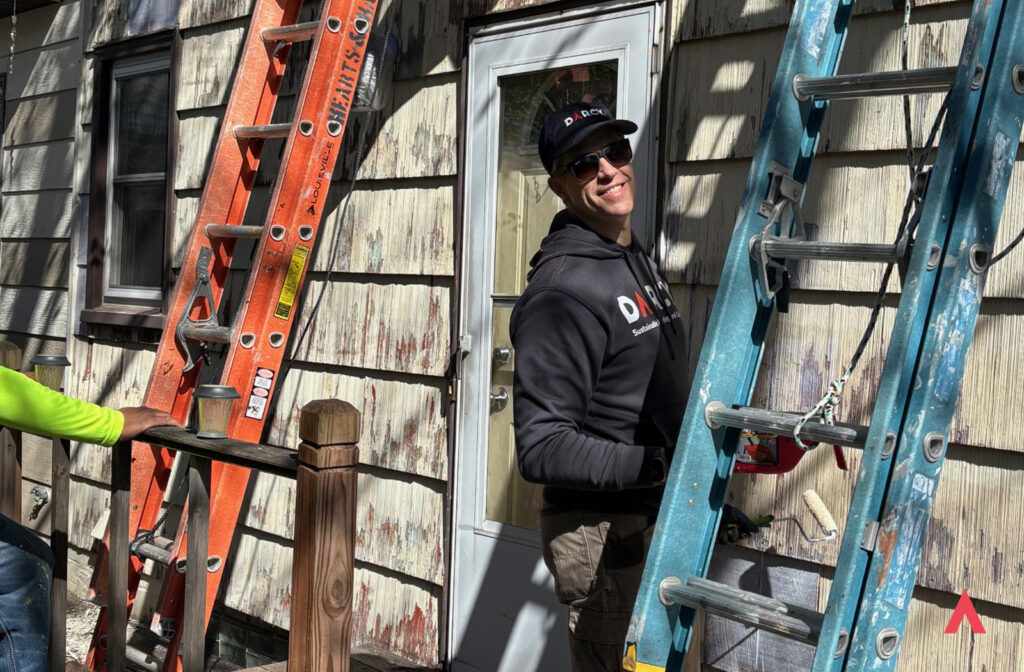
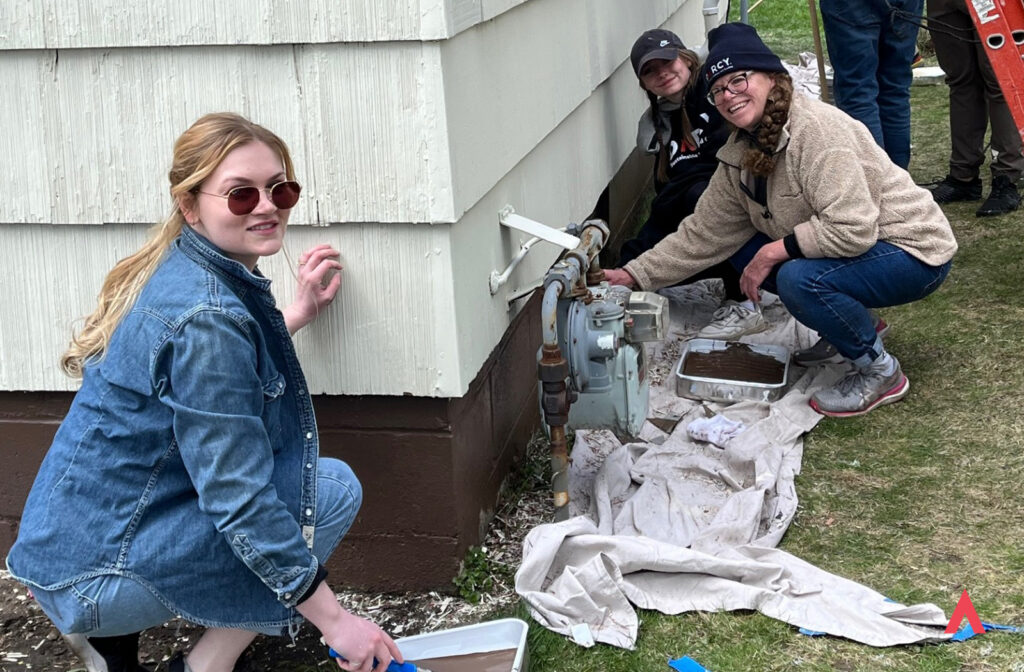
This May, the Darcy Solutions team stepped away from the office for a full-company volunteer day with Hearts & Hammers, a Twin Cities nonprofit dedicated to helping seniors, veterans, and individuals with disabilities remain safe and independent in their homes.
Working together, our team restored the exterior of a local home by stripping, priming, and repainting siding in need of repair. The project helped create a safer living environment for the homeowner and his dog while supporting Hearts & Hammers’ mission of strengthening communities through volunteer-driven home restoration.
As we move into summer, Darcy Solutions remains focused on expanding sustainable heating and cooling solutions while continuing to invest in education, outreach, and community partnerships.
Follow Darcy Solutions on LinkedIn to stay updated on our latest projects, events, and industry insights.


Winona Area Public Schools (WAPS) has received a $5.5 million federal tax credit for the groundwater-enabled geothermal heating & cooling systems Darcy Solutions designed and installed at Jefferson Elementary and Washington-Kosciusko Elementary in Winona, Minnesota. It is one of the largest geothermal-related Section 48 ITC payouts to a school district in the country, and among the first awarded to a Minnesota district for a geothermal project.
The credit was made possible by the elective pay (or “direct pay”) provision of the Inflation Reduction Act of 2022, which allows tax-exempt entities like public school districts to receive the value of the Section 48 Investment Tax Credit as a direct payment from the U.S. Treasury. WAPS submitted its application in December 2025 and the funds came through in March 2026.
The two retrofitted buildings — both built in the 1930s — were originally evaluated for HVAC upgrades in 2021. Neither had air conditioning, and ventilation challenges during the COVID-19 pandemic stressed the urgent need for better indoor air quality. After an extensive design review with Wold Architects and Engineers and construction manager Kraus-Anderson, the district selected Darcy’s groundwater-enabled geothermal solution for its high efficiency, compact wellfield footprint, and long service life. Construction on the schools began in the summer of 2023 and was complete before the start of the 2024-2025 school year.
The completed systems deliver substantial capacity in a small footprint:
Because the project met federal Prevailing Wage and Apprenticeship requirements during construction, WAPS qualified for the full bonus credit value. The district plans to direct the funds toward one-time facility upgrades rather than ongoing operating expenses.
The Winona projects are a working example of how K-12 districts can use Section 48 ITC elective pay to meaningfully reduce the cost of decarbonizing aging facilities while improving comfort, air quality, and long-term operating economics. Darcy continues to advocate alongside organizations such as the National Ground Water Association in Washington, D.C. to make the geothermal ITC permanent and to expand access for the institutions and communities that benefit most from it.
To learn more about these projects, visit the Washington-Kosciusko and Jefferson Elementary project pages, or download the case study.
Read more about the process and experience from the perspective of WAPS here.
The 2026 Midwest Climate Summit, hosted at Case Western Reserve University in Cleveland, Ohio from March 30 to April 1, brought together climate leaders, researchers, educators, and sustainability practitioners from across a 12-state region and the message was unmistakable: decarbonization is no longer a distant aspiration. It is happening right now on campuses and in communities across the Midwest.
Darcy Solutions exhibited at the event for the first time in 2026. We left the Summit energized and excited about the progression of higher education entities and their aspirations to decarbonize their operations. Across the three-day gathering, session after session reinforced what Darcy has long believed: geothermal energy is emerging as one of the most compelling, scalable, and cost-effective decarbonization technologies available and universities are leading the way.
The 2026 Summit set a forward-looking tone that permeated every session. There was a student-led element of the event that gave every discussion a differing perspective and an undeniable energy. Under mounting pressure from shifting federal priorities and climate volatility, Midwest institutions are doubling down on proven clean energy solutions rather than waiting for favorable policies stemming from new political leaders. The summit featured workshops on energy resilience, microgrids, building decarbonization, campus sustainability, and thermal energy networks, demonstrating just how deep the regional climate action community has become.
For those focused on buildings and energy infrastructure, Session 3A — Campuses as Climate Engines: Cutting Carbon and Building Resilience and Session 4B — Thermal Energy Networks: Delivering Geothermal Heating and Cooling to the Midwest at a Community Scale were the highlights. These sessions showcased not just the promise of geothermal technology, but real, operational proof that it works.
Session 4B drew a strong lineup of organizations at the forefront of the geothermal and thermal energy network (TEN) movement. Presentations were delivered by the Midwest Building Decarbonization Coalition (Midwest BDC), Miami University, and HEET (Home Energy Efficiency Team) — three organizations whose collective work represents some of the most important progress in building decarbonization happening anywhere in the country.
The session explored how TENs, which are neighborhood and campus scale systems that use underground thermal capacity and ground source heat pumps to deliver heating and cooling, are rapidly becoming a key solution for institutions serious about eliminating fossil fuels from their energy mix. As the Midwest BDC emphasized, TENs produce no on-site emissions, achieve extraordinary efficiency, and offer a credible pathway to transition aging gas infrastructure into clean thermal utilities. These systems can also capture and redistribute waste heat across a campus or community, capitalizing on the diverse energy loads of interconnected buildings.
HEET, whose mission centers on accelerating the transition of gas utilities to thermal utilities at scale, brought a compelling perspective on both the technical and social dimensions of this shift. Their work includes building collaborative networks, collecting rigorous data, and designing policy frameworks that ensure geothermal benefits reach all communities, including low-income households and utility workers navigating the energy transition.
Perhaps no story at the Summit was more instructive than that of Miami University in Oxford, Ohio. Miami’s presentation in Session 4B served as a masterclass in what long-range, integrated planning can achieve.
Since launching its Utility Master Plan in 2011, Miami has systematically converted its entire Oxford campus away from carbon-intensive steam heating toward geothermal exchange and low-temperature heating hot water systems. The progress has been impressive. Since 2008, the University has reduced its energy-based carbon emissions by more than 50%, while simultaneously expanding its campus footprint, and saving over $115 million in utility costs in the process.
The most recent milestone is the North Geothermal Plant, a project involving 520 geothermal wells drilled 850 feet deep beneath the south lawn of Millett Hall and serving 25 buildings (27% of campus gross square footage). Upon completion, this project alone is projected to eliminate more than 5,810 metric tons of CO₂-equivalent emissions annually, the equivalent of taking more than 1,300 gas-powered cars off the road. By 2026, approximately 72% of Miami’s campus buildings will be heated and cooled by geothermal or heating hot water systems, making geothermal the campus’s largest energy source by both square footage and number of buildings.
Miami is also building the nation’s first co-located solar and geothermal project on a college campus, the Sharon and Graham Mitchell Sustainability Park, combining over 3,330 solar panels installed directly above the Western Geothermal Well Field. The park is a powerful symbol of what integrated, ambitious thinking can accomplish.
The momentum behind geothermal on university campuses is an intentional approach to smart design targeting energy efficiency and sustainability. It reflects the unique structural advantages geothermal offers on an institutional scale:
The Summit also reflected a growing policy and financing landscape that is increasingly favorable to geothermal. Mobile workshop participants toured the Corix-Cleveland Thermal District Energy Facility and Oberlin College’s carbon-neutral campus — two premier examples of how thermal energy systems can serve both large institutions and broader communities. Nationwide, twelve states have passed legislation related to TENs since 2021, and utility pilot programs are expanding rapidly.
At Darcy Solutions, the 2026 Midwest Climate Summit reinforced our conviction that geothermal is no longer an emerging technology — it’s a proven, deployable solution ready to meet the decarbonization ambitions of large universities and campuses today. The work being done by Miami University, Midwest BDC, HEET, Oberlin College, and dozens of other institutions across the Midwest is proof of concept at a scale that matters.
The Midwest is not waiting. And neither are we.
Explore the Darcy Solutions projects that are supporting the trend toward geothermal, in the midwest and beyond, by visiting our projects page.
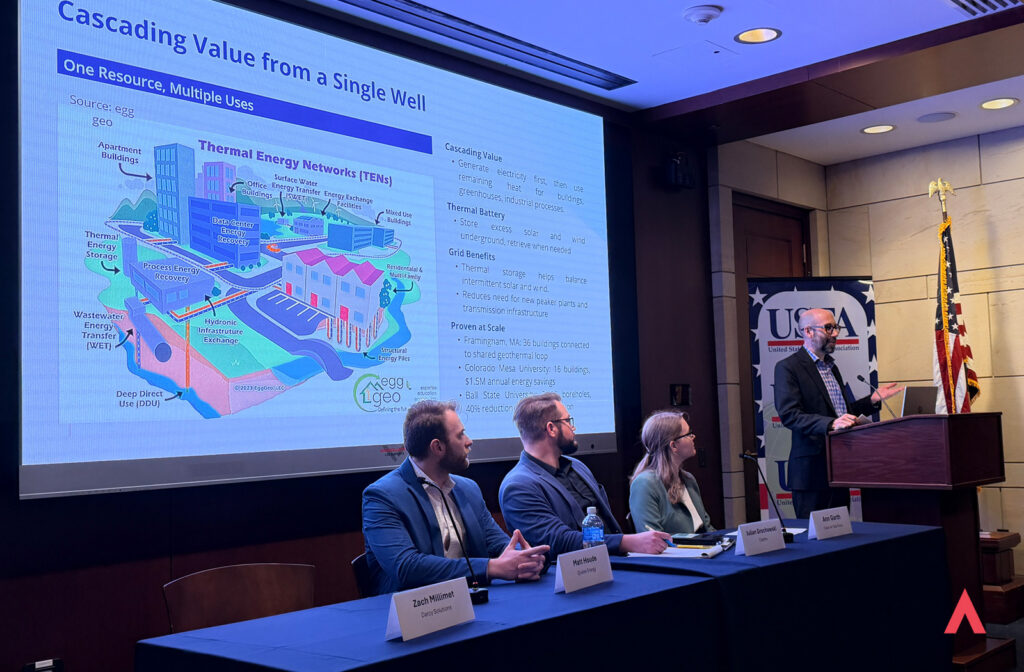
On March 25–26, 2026, Darcy Solutions’ Director of Government Affairs & Strategic Partnerships, Zach Millimet, joined the National Ground Water Association (NGWA) in Washington, D.C. for the association’s 2026 Smart Water Policies Fly-In — two days of policy briefings and direct meetings with Congressional offices to advance the issues that matter most to the groundwater industry.
Water well drillers are key partners for Darcy’s groundwater-enabled geothermal heating & cooling technology, and the policy issues NGWA brought to the Hill this year sit squarely at the intersection of what we do as a company: deliver energy-efficient and resilient heating & cooling, drive building decarbonization, protect and improve local water and air quality, and deploy geothermal solutions that strengthen critical infrastructure and support American jobs and economic vitality.
Over the two days, Darcy participated alongside NGWA or met individually with Rep. Cliff Bentz (OR-2) and staff for Sen. Tina Smith (MN), Sen. Maria Cantwell (WA), Sen. Ron Wyden (OR), Sen. Kirsten Gillibrand (NY), Rep. Jack Bergman (MI-1), and Rep. Michael Turner (OH-10).
The passage of the One Big Beautiful Bill Act (OBBBA) in 2025 had three major consequences for the geothermal industry. First, it preserved the Section 48 Investment Tax Credit for geothermal, with a construction-start deadline extended through 2035 — the longest runway of any clean energy technology in the bill. Second, it resolved a longstanding loophole that had effectively blocked third-party ownership of geothermal systems from accessing the ITC, unlocking new financing structures that can significantly expand deployment in commercial and institutional markets. Third, and most significantly for the water well and residential geothermal industries, it eliminated the Section 25D residential tax credit — a real setback for contractors and the families they serve.
There is bipartisan consensus on Capitol Hill that America needs geothermal energy — for power generation, heating & cooling, and direct use. With that in mind, Darcy and NGWA brought three clear requests to every office:
Among the most substantive conversations Darcy and NGWA had on Capitol Hill — in every office — was about data centers. In advance of the Fly-In, NGWA released a formal position paper on data center development and the responsible use of groundwater resources. Darcy was proud to bring that paper into every meeting and to go a step further: making the affirmative case for geothermal heating & cooling as a practical solution to what is becoming an increasingly fraught community challenge.
The problem is real and growing. Data centers consume enormous quantities of groundwater for cooling, and as they multiply and concentrate in regions across the country, the cumulative strain on aquifers is becoming a serious resource management concern. Communities are pushing back — not just over water withdrawals, but over surging electricity prices, noise from conventional cooling towers, and the broader environmental footprint of large-scale data center development. For many communities, it feels like an intractable tradeoff: economic development on one side, quality of life and resource protection on the other.
Geothermal doesn’t resolve every tension, but it meaningfully changes the math. Darcy’s groundwater-enabled heat exchanger sits in the aquifer in situ — no groundwater is extracted, no groundwater is consumed. That eliminates the need for cooling towers entirely, which in turn addresses two of the most common community objections: water use and noise. And because geothermal is significantly more efficient than conventional cooling systems, it reduces overall electricity demand and helps moderate the load growth pressures that are contributing to rising energy costs in data center corridors across the country.
NGWA’s position paper makes clear that these solutions are scalable, shovel-ready, and directly supported by existing commercial geothermal tax credits. Darcy’s message to Congressional offices was equally direct: the technology exists, the economics work, and the industry is ready to deploy it.
Beyond geothermal, Darcy stood alongside NGWA colleagues in advocating for a broader set of groundwater policy priorities that are deeply interconnected with the work Darcy does every day.
Protecting funding for the USGS National Ground-Water Monitoring Network was a priority across every meeting. Groundwater supplies roughly 40% of the nation’s drinking water, yet monitoring funding continues to decline — and the data gaps that result are becoming increasingly consequential as demand from data centers, drought, and long-term supply pressures intensifies. You cannot sustainably manage what you cannot measure.
PFAS contamination, groundwater workforce development, and rural water infrastructure rounded out the agenda — issues that span the partisan divide and directly affect the communities and industries that depend on clean, reliable groundwater access. For Darcy, these aren’t peripheral concerns: they define the operating environments where our projects are being built.
Darcy Solutions is proud to be an active participant in NGWA’s advocacy work and grateful for the association’s leadership in keeping groundwater — and the industries that depend on it — in the policy conversation. We look forward to continued engagement with the offices we met with this week and to advancing the shared priorities of the groundwater and geothermal communities as the 119th Congress works through its energy and water agenda.
October 15, 2025
Darcy Solutions is thrilled to be named on Cleantech Group’s prestigious 2025 Cleantech 50 to Watch list. The list spotlights the early-stage companies poised to deliver breakthrough solutions to the world’s most pressing climate and sustainability challenges.
Selected from hundreds of nominations worldwide, the 50 companies represent the most compelling innovators at the intersection of technology, business, and impact.
This year’s Cleantech 50 to Watch emerges against a backdrop of heightened geopolitical and economic uncertainty. Global tariffs, policy reversals, and development bottlenecks continue to reshape project timelines and investment flows. Yet, even amid these headwinds, a new generation of entrepreneurs is redefining what is possible—accelerating advances in clean energy, sustainable materials, food and agriculture, and digital-enabled climate solutions.
“As we’ve seen throughout 2025, innovation doesn’t stand still,” said Anthony DeOrsey, Research Manager at Cleantech Group. “These 50 companies represent where the market is heading next: increasing sophistication of AI, new frontiers in resource resilience, and breakthrough solutions in consumer goods sustainability. Their work shows us not just what’s possible, but what’s urgently needed.”
“Being named to the Cleantech 50 To Watch list is an amazing validation of the groundbreaking work our team at Darcy Solutions is doing to deploy geothermal systems globally,” said Andrew Steiner, CEO at Darcy Solutions. “Our focus has always been to make high-performance, sustainable heating and cooling the standard expectation for commercial HVAC systems. This recognition from the Cleantech Group highlights that delivering high-capacity geothermal systems in limited footprints is exactly the kind of disruptive technology needed to accelerate the global transition to a decarbonized built environment.”
At the beginning of the year, Cleantech Group introduced a “Grow, Flow, Slow” framework to identify which technologies are likely to accelerate, advance steadily, or encounter significant headwinds. Updated throughout the year, the framework continues to highlight the dynamic forces shaping cleantech markets.
Within this landscape:
Energy-Efficient Compute – The Next Frontier
More companies than ever are innovating across the compute efficiency value chain, from novel semiconductors to rack-level power management. Notable examples include:
AI as a Climate Enabler
Artificial intelligence is driving innovation not only in software but also in physical systems and deep tech. Companies like Entalpic, Juna AI, and Beyond Weather are showcasing AI’s transformative potential across industries.
Crop Science for Resilience
With agriculture increasingly threatened by climate volatility, innovators are turning to bio-based and nanotechnology-driven solutions. Companies such as IMIO, NetZeroNitrogen, Silvec Biologics, and Qarbotech are advancing treatments that improve yields while reducing environmental impact.
Consumer Goods Sustainability
For the first time, consumer goods cleantech has a strong foothold in the Cleantech 50 to Watch. Eight companies—including re.solution, Syntetica, Radical Dot, and Sengong—are pioneering advanced recycling and novel materials to address textiles, plastics, and waste streams long considered unrecyclable.
The Importance of Ecosystems
The 2025 Cleantech 50 to Watch also highlights the role of innovation ecosystems in supporting early-stage growth. Regional accelerators, public agencies, and venture platforms—including SGInnovate (Singapore), Innovate UK, and Greentown Labs (Massachusetts)—are playing a critical role in helping start-ups access markets, partners, and capital.
Looking Ahead
This year’s honorees reflect the cleantech sector’s resilience and ingenuity in the face of global uncertainty. From AI-driven breakthroughs to novel approaches in recycling and agriculture, the Cleantech 50 to Watch demonstrates that innovation continues to push boundaries, even in turbulent times.
“We congratulate all 50 companies recognized this year,” said DeOrsey. “Their progress shows that the path to a low-carbon, resource-efficient future is not only alive but accelerating in unexpected and exciting ways.”
Download your complimentary copy of the 2025 Cleantech 50 to Watch list and supplementary report here.
We are thrilled to announce that our very own Maddie Dickenscheidt has been recognized for her contributions to the sustainable energy sector. Maddie was recently featured in the 2025 Clean Jobs Midwest Report as one of Minnesota’s highlighted clean energy professionals.
This recognition shines a spotlight on the dedication and expertise Maddie brings to the Darcy Solutions team, as well as the vital work being done on the ground to advance green technology.
Highlighting Minnesota’s Growth
The feature appears within the 2025 Clean Jobs Midwest – Minnesota Report, a comprehensive publication produced by Clean Energy Economy Minnesota (CEEM), of which Darcy Solutions is a proud member.
The report underscores a thriving industry. According to the new data, Minnesota’s clean energy sector is leading the way in innovation and economic opportunity. Key takeaways from the 2025 report include:
Maddie’s feature serves as a testament to the individual hard work behind these impressive statistics. We are incredibly proud to see her represent Darcy Solutions and the wider Minnesota clean energy workforce.
You can read the full report, see Maddie’s feature, and explore other clean energy worker features at the links below: